Showing posts with label food. Show all posts

Saturday, May 16, 2015

How Many Times Should You Chew Your Food for Weight Loss?


How you chew your food can go a long way to helping you control the amount of food you eat. Busy lifestyles often result in eating foods of lower nutritional value while you are on the go, which has consequences in terms of your weight. Observing some simple eating rules can help you chew your food more effectively and lose weight.

Chewing Food

The problem with the way most people chew their food is that it is done too fast. According to the Health Link BC website, it takes up to 20 minutes for your brain to get the signal that your stomach is full. During that 20-minute period, it is easy to consume portions you don’t need. Westchester University of Pennsylvania suggests chewing your food 30 to 50 times per mouthful. This will help slow you down, and mix the food thoroughly with saliva to help digestion. Also be sure to swallow what is in your mouth before taking another mouthful.

Portion Sizes

Modifying your portion sizes will help support your efforts to chew your foods more slowly. According to the National Center for Chronic Disease Prevention, people will consume more food at a sitting if the size of the portion is larger. Using smaller plates, so the plate still seems full, or just adding less to the plate, may help you eat less. Portion control is also helpful if you don’t feel comfortable leaving food on the plate.

Eating Mindfully

Distraction while eating can disrupt your digestion just as stress can, says the University of Minnesota. Distractions include driving, television or anything else that may take your mind away from eating. Mindful eating is about savoring your food and eating slowly without distraction. When you eat mindfully, you will be able to recognize when you are starting to get full so you can stop before you overeat. Setting your fork down between mouthfuls of food is another way to slow down your eating.

Weight Loss


By chewing your food 30 to 50 times and eating mindfully, you should consume less food on a daily basis, which would result in fewer calories being taken in, possibly causing you to lose weight.

Considerations


In between your mindfully eaten meals, try not to let yourself get to the point where you are ravenous. Always eat something when you first start to feel hungry, to keep any extreme hunger at bay. When you do eat, aim for being satisfied, but never stuffed.

Friday, May 15, 2015

What Are the Benefits of Amino Acid Supplements?


Amino acids are the building blocks of protein, and are found in many food sources. Some amino acids can be made by your body, but others, known as the "essential amino acids," must be obtained through food or supplements. Although amino acid supplements are often associated with athletes, supplementation may benefit anyone. This is because amino acids produce enzymes and are also involved in mood, concentration, sleep and a number of other physiological phenomena. While amino acids may have benefits, you should consult a doctor before using any supplements.

Abdominal Fat Loss

Although most fat loss supplements contain high levels of stimulants and other ingredients that claim to increase your metabolism, amino acid supplements may support fat loss. According to a study published in "Menopause" in 2007, supplementation of a soy amino acid supplement for 3 months helped fight the growth of abdominal fat in post-menopausal women. use of an amino acid supplement in conjunction with a reduced-calorie diet may offer superior fat loss compared to dieting alone.

Retention of Muscle Mass

Amino acids and protein are known to aid in the muscle-building process when used in conjunction with resistance exercise, but research indicates amino acids may also benefit muscles that are not being trained. A study conducted at the University of São Paulo and published in the June 2010 issue of the journal "Muscle & Nerve" found that supplementation of the amino acid leucine in rats helped prevent muscle breakdown in muscles that were purposely immobilized. The researchers explain that leucine reduced the expression of genes that break down muscle during periods of inactivity.

Improved Exercise Performance

Amino acids assist in muscle building and help reverse muscle breakdown, which can aid in building muscle mass. Exercise science research suggests that these tendencies may also assist in enhancing exercise performance in endurance sports. A study, conducted by the Saga Nutraceuticals Research Institute and published in the February 2009 issue of the "Journal of Nutrition Science and Vitaminology" found that VO2max, a measure of efficient oxygen usage, was higher when using a branched-chain amino acid supplement compared to a placebo. The researchers concluded that the use of an isoleucine, valine and leucine supplement "may be effective to increase the endurance exercise capacity."

While amino acid supplements can boost your protein intake, you shouldn't take them without first consulting your doctor. Protein increases the workload on your kidneys, because metabolizing protein creates toxic by-products that your kidneys must flush from your body, and consuming too much protein can negatively affect kidney function. If you suffer from food allergies, some amino acid supplements might cause adverse reactions -- for example, whey and casein proteins might trigger dairy allergies, while soy amino acid supplements are unsuitable for those with soy allergies. A health care professional can recommend an amino acid supplement unlikely to cause adverse reactions, as well as recommend an appropriate dose.

Tuesday, May 12, 2015

Food to Improve Digestion


Whether you want to prevent constipation, relieve stomach pain or correct other digestive-related problems, you can achieve it by eating certain types of food. To ease your digestion, choose foods that can help soften the bulk. If you have problems digesting milk, choose foods that can break down the “milk” carbohydrate. Choosing the right foods will help improve your digestion. But you should also remember to eat slowly since speed can interfere with the digestion process.

Water


Water — the zero-calorie drink — not only helps sustain your body, but acts as your digestive system’s assistant by breaking foods down into smaller components. The National Institute of Diabetes and Digestive and Kidney Diseases reports that water also helps the fiber in your digestive tract work better.
Fruit juice, vegetable juice and clear soup also help prevent constipation by reducing dehydration -- one of the contributors to the condition. Drinks that contain alcohol or caffeine can dehydrate you and cause constipation, thus you should try to avoid these types of beverages, explains the NDDIC.


High-Fiber Food


Dietary fiber, a carbohydrate produced only in plants, helps move food through the digestive tract. Although your body can’t digest fiber, it needs this carbohydrate to build bulk. Fiber also prevents constipation and diverticulosis, a condition where an area in the intestine protrudes outward, forming a pouch, MedlinePlus states. The Linus Pauling Institute at Oregon State University explains that high-fiber food can soften and increase the speed of the bulk through the colon, thus reducing constipation. Excellent sources of fiber include navy beans, split peas, lentils, 100-percent wheat bran cereal, pearled barley, oat bran, artichoke hearts, spinach, Brussels sprouts, prunes, Asian pear, guava, almonds, pistachios and pecans.

Yogurt


Yogurt contains live bacteria, or culture, that can help break down lactose, a special carbohydrate found in dairy products of which many people of Asian descent can’t digest. According to Dr. Sylvie Rabot and colleagues in “The Journal of Nutrition,” research studies have indicated that consuming yogurt produces fewer symptoms of lactose intolerance than milk. The researchers concluded that the fermentation of dairy in yogurt coupled with its live culture, specifically L. bulgaricus, have attributed to the reduction of lactose intolerance symptoms. Although the live culture in yogurts can digest about 20 to 40 percent of lactose, the researchers warn that not every individual will experience a decrease in symptoms of lactose intolerance.

Saturday, May 2, 2015

Your Digestive System and How It Works


What is the digestive system?


The digestive system

The digestive system is made up of the gastrointestinal (GI) tract—also called the digestive tract—and the liver, pancreas, and gallbladder. The GI tract is a series of hollow organs joined in a long, twisting tube from the mouth to the anus. The hollow organs that make up the GI tract are the mouth, esophagus, stomach, small intestine, large intestine—which includes the rectum—and anus. Food enters the mouth and passes to the anus through the hollow organs of the GI tract. The liver, pancreas, and gallbladder are the solid organs of the digestive system. The digestive system helps the body digest food.

Bacteria in the GI tract, also called gut flora or microbiome, help with digestion. Parts of the nervous and circulatory systems also play roles in the digestive process. Together, a combination of nerves, hormones, bacteria, blood, and the organs of the digestive system completes the complex task of digesting the foods and liquids a person consumes each day.

Why is digestion important?
Digestion is important for breaking down food into nutrients, which the body uses for energy, growth, and cell repair. Food and drink must be changed into smaller molecules of nutrients before the blood absorbs them and carries them to cells throughout the body. The body breaks down nutrients from food and drink into carbohydrates, protein, fats, and vitamins.

Carbohydrates. Carbohydrates are the sugars, starches, and fiber found in many foods. Carbohydrates are called simple or complex, depending on their chemical structure. Simple carbohydrates include sugars found naturally in foods such as fruits, vegetables, milk, and milk products, as well as sugars added during food processing. Complex carbohydrates are starches and fiber found in whole-grain breads and cereals, starchy vegetables, and legumes. The Dietary Guidelines for Americans, 2010, recommends that 45 to 65 percent of total daily calories come from carbohydrates.

Protein. Foods such as meat, eggs, and beans consist of large molecules of protein that the body digests into smaller molecules called amino acids. The body absorbs amino acids through the small intestine into the blood, which then carries them throughout the body. The Dietary Guidelines for Americans, 2010, recommends that 10 to 35 percent of total daily calories come from protein.

Fats. Fat molecules are a rich source of energy for the body and help the body absorb vitamins. Oils, such as corn, canola, olive, safflower, soybean, and sunflower, are examples of healthy fats. Butter, shortening, and snack foods are examples of less healthy fats. During digestion, the body breaks down fat molecules into fatty acids and glycerol. The Dietary Guidelines for Americans, 2010, recommends that 20 to 35 percent of total daily calories come from fat.

Vitamins. Scientists classify vitamins by the fluid in which they dissolve. Water-soluble vitamins include all the B vitamins and vitamin C. Fat-soluble vitamins include vitamins A, D, E, and K. Each vitamin has a different role in the body’s growth and health. The body stores fat-soluble vitamins in the liver and fatty tissues, whereas the body does not easily store water-soluble vitamins and flushes out the extra in the urine.

How does digestion work?
Digestion works by moving food through the GI tract. Digestion begins in the mouth with chewing and ends in the small intestine. As food passes through the GI tract, it mixes with digestive juices, causing large molecules of food to break down into smaller molecules. The body then absorbs these smaller molecules through the walls of the small intestine into the bloodstream, which delivers them to the rest of the body. Waste products of digestion pass through the large intestine and out of the body as a solid matter called stool.


Points to Remember


  • Digestion is important for breaking down food into nutrients, which the body uses for energy, growth, and cell repair.
  • Digestion works by moving food through the gastrointestinal (GI) tract.
  • Digestion begins in the mouth with chewing and ends in the small intestine.
  • As food passes through the GI tract, it mixes with digestive juices, causing large molecules of food to break down into smaller molecules. The body then absorbs these smaller molecules through the walls of the small intestine into the bloodstream, which delivers them to the rest of the body.
  • Waste products of digestion pass through the large intestine and out of the body as a solid matter called stool.
  • Digestive juices contain enzymes that break food down into different nutrients.
  • The small intestine absorbs most digested food molecules, as well as water and minerals, and passes them on to other parts of the body for storage or further chemical change. Hormone and nerve regulators control the digestive process.

Friday, April 24, 2015

The Alkaline Diet: What Is It And Does It Work?


The alkaline diet, is one of the breakout diets of the last few years, it promises to improve energy levels and memory as well as help prevent headaches, bloating, heart disease, muscle pain and insomnia.

What is it? 

The Honestly Healthy Alkaline Programme, set up by nutritional therapist Vicki Edgson and organic chef Natasha Corrett (she's also the step-sister of Sienna Miller), involves eating mainly alkaline foods in order to keep the body's pH between 7.35 and 7.45. The ultimate aim is to eat 80 per cent alkaline foods and 20 per cent acidic foods.

It sounds a bit complicated? 

To really know what your pH levels are you need to test your urine: a far from glamorous experience. On top of this you have to keep an eye not just on what you eat but how you cook it. For example, raw spinach is alkaline, but when cooked it becomes acidic.

As a general rule, which foods are acidic and which foods are alkaline?

Almost all foods we eat, after they have been digested, break down into either an acidic or alkaline base. On that basis:

Fresh fruit, vegetables, roots, nuts, and legumes are all good. Dates, figs, grapefruit, lemon, lime, fennel, broccoli, artichoke, asparagus, beetroot, kale, spinach, watercress and cauliflower are considered the most alkaline.
Pasta, wheat, all dairy products, meat, fish and shellfish, coffee, tea, sugar, fizzy drinks and alcohol are all out.

Aside from weight loss, what are the benefits?

There are bold claims that cutting out acidic foods and sticking to a mainly alkaline-based diet can help with a range of problems including arthritis, diabetes and cancer, as well as slowing the ageing process. The authors of Honestly Healthy (the cookbook that Victoria Beckham has raved about), Vicki Edgson and Natasha Corrett, say that the diet can improve energy levels and memory and help prevent headaches, bloating, heart disease, muscle pain and insomnia.

Alkaline foods are easier for the digestive system to break down and therefore vitamins and minerals are more easily absorbed. Plus, the seeds and nuts recommended as part of the diet are rich in essential fats which help to improve skin tone.

How can I follow the diet? 

Stick to the 80/20 rule. So, your daily meals will consist mainly of vegetables and then a smaller quantity of grains and proteins. The Honestly Healthy cookbook has a whole load of tasty and alkaline recipes.

Saturday, April 18, 2015

How to Develop Healthy Eating Habits


Step 1 
Eat whole, unprocessed foods whenever possible. This means fresh or frozen fruits instead of canned, whole grains instead of enriched flour, brown rice instead of white rice, and as little fast food as possible.
Avoid ‘low-fat’ or ‘zero-calorie’ processed foods, as they typically have more sugar and salt. Refining grains also removes bran, which contains most of the vitamins, minerals, and fiber.

Step 2 
Follow the FDA’s recommendations to eat at least five servings of fruits and vegetables a day. Try sprinkling berries in your cereal, drinking a fruit smoothie or juice, and adding extra veggies to your pasta sauce, pizza, casseroles, and even sandwiches.
An official serving size is: a medium piece of fruit, a ½ cup of chopped fruit, ¾ cup of pure juice, a ¼ cup of dried fruit, a ½ cup raw or cooked vegetables, or a cup of leafy vegetables.

Step 3 
Pay attention to what, how much, and how often you eat. Absentminded eating is one of the greatest threats to successful weight management and long-term health.
Don’t multitask when eating. You’ll often stuff your face with nutritionally poor foods that are convenient but not healthy.

Step 4 
Try to drink 64 ounces of non-caffeinated fluids every day—the majority of which should be plain, pure water. A glass with every meal will help your digestion, keep you full, and help your mood—and if you drink it before eating, it can stave off hunger pangs.

Step 5 
Eat fish twice a week: it’s packed with top-quality protein, as well as omega-3 and omega-6 fatty acids that can protect your heart and brain from damage and disease.

Step 6 
It’s okay to splurge and eat something less-than-healthy now and then, just be sure to watch out how much and how often.

Thursday, April 16, 2015

Foods that increase your libido

Climbing into bed with your loved one at the end of a busy day your thoughts may turn to some 1 on 1 time with your partner.  For many people though, those thoughts may be more about wishing you had the desire and energy to make love, than passionate thought s about ripping each other’s clothes off!
There is a sea of information out there on how to improve your sex life, with a range of self-help books, internet sites and DVD’s all discussing lovemaking and relationships. We live in an age where should you desire it; you can become a sensual sex God or Goddess and a relationship Guru.
No matter how many skills you may have now acquired in the bedroom, if your energy levels are too low you are most likely not going to feel like sex.  Making love requires energy; during half an hour of sex men use 120 calories and women 90, which may explain why sometimes we just don’t have the energy.
In order to have a good sex life, it follows that you may want to optimise your energy levels. One of the best ways you can achieve this is by eating a balanced diet. Having enough energy for great sex – what a great reason to eat the best food you can, in the right balance and at the right time!
Apart from a lack of energy sometimes you may experience a loss of libido. If this is an ongoing experience for you and you would like to get your mojo back, the good news is that there are some simple things you could try.
A loss of libido could be linked to a decrease in testosterone, a hormone found in men and women. Low levels are associated with sluggishness, fatigue, loss of interest in sex and brain fogginess. If you would like to increase your levels of testosterone you can increase certain foods in your diet:
Zinc – is important for testosterone production which may explain why oysters, high in this wonderful mineral are renowned for their aphrodisiac properties. Other foods that are high in zinc are pumpkin seeds, pecans, oats, almonds and garlic.
Vitamin D – is a fat-soluble steroid hormone precursor that increases levels of testosterone. Our main source of vitamin D is from the sun, maybe that’s why we tend to feel a bit friskier in the sun! Adding to this with vitamin D supplement is the easiest way to get good levels of this vitamin as excessive sun exposure is linked to higher risks of developing skin cancer.
Saturated fat and cholesterol – are used to make sex hormones including testosterone, which may be why ghee (clarified butter) is used as an aphrodisiac in traditional Ayuverdic medicine.
There are also a lot of everyday foods that are natural aphrodisiacs, helping you to reignite your sex drive, a lot of these are easy to get hold of and incorporate into your diet.
Watermelon – contains citrulline a naturally occurring amino acid which (like Viagra) may help to open up veins and arteries, which is helpful in erectile dysfunction.
Chocolate – contains many amazing chemicals which show a host of benefits for many things including mood, arousal and circulation.
Chocolate has to be one of the sexiest foods out there, eat it, drink it, smell it and cover each other in it. I am sure you get the idea!
Chilies – capsicum is what makes chillies hot. It also promotes the release of chemicals that can raise your heart rate and trigger the release of endorphins, giving you a natural high which can seriously get you in the mood.
As stimulating as chillies are this is not one to start massaging your partner with, as any man that has chopped chillies and then gone to the toilet will tell you! Instead cook a romantic chilli dinner for your loved one and see how hot it gets.
Eggs – maybe not the first sexy food that comes to mind, especially with their sulphurous smell but these really are a power house of nutrients, including B6 and B5 which help balance hormone levels and may reduce stress, both very important to a healthy libido.
Some people claim eating raw eggs before sex gives increases their energy and stamina. Eating raw eggs does carry the risk of salmonella poisoning though, so instead of eating your eggs raw you could try cooking a romantic breakfast in bed.
Maca root – this is a South American root and can be bought as a powder. In studies maca powder has been shown to boost sexual desire in both men and women without any bad effects on sexual hormones.
Make a smoothie with almond milk and add 1 desert spoon of raw chocolate powder, 1 heaped teaspoon of maca powder and a tablespoon of oats, all these foods have been linked to increasing sexual desire.

Monday, April 13, 2015

Why Breakfast is Important


If you were to go 6 to 9 hours during the day without eating you would be feeling very hungry but if you think about it, this is what you do during the night. If you don’t have breakfast then this ‘fast’ may continue for several hours longer.

Although this rest from food gives your digestion a well-deserved rest, delaying food for so long may lead to overeating when you do decide to eat and cause you to choose sugary foods instead of more balanced options to give you that instant energy hit.

You may also find you play ‘catch up’ with your calories leaving you eating far more than you should late at night, when it is more likely to be stored as fat then used for energy.

Remember – research shows that people who eat breakfast are more likely to maintain a healthy weight than those that don’t.

* Low blood sugar levels that may accompany bouts of fasting can cause symptoms of:
Paleness.

* Shakiness and trembling.

* Lack of energy, as a result you will feel fatigue, weakness, and have poor coordination.
* Increased hunger

* Irritability, anxiety, agitation

* You may also have excessive sweating /perspiration.

* Problem in concentrating

* Confusion

The brain in particular may perform better with the instant source of energy it gets from food (eating), so if you want to be working at your full potential then eat breakfast!

Breakfast ideas – for when you have NO time in the morning

Eat your fruits/vegetables nuts and seeds and still get to the office on time!

If you are too busy to make breakfast in the mornings buy a blender that is very easy to use and clean such as the Nutri Bullet.

The great thing about this type of blender is its design. The blender’s container is removable and doubles up as the cup you drink your smoothies from. The blender’s blade is also removable which makes it super easy to clean as there are no ‘hard to reach’ bits.

Why blending rather than juicing can be quicker and healthier:

* You are able to blend whole fruits, vegetables, nuts and seeds and so retain all the fibre

* When you juice you have to clean up the pulp (extracted fibre) which is fiddly and messy
When you juice you have to ‘feed’ through the produce which takes longer than blending it
* The Nutri Bullet can be blended with water, not fruit juice, making the smoothies much lower in fructose than smoothies made with fruit juice or juice by itself

*You can add nutrients rich foods such as spirulina, maca and barley grass when you blend and nuts and seeds which will give you essential fats

So you now you have some great ideas to get you started, if your still not convinced then why not try eating Breakfast for one week and see how you feel.

Mouth Hygiene


We all want our teeth to look good and have nice smelling breath but can bad mouth hygiene affect our health?

Digestion starts in the mouth, ideally our teeth should break down our food into a liquid before we swallow it. If you have cracked teeth, missing teeth, sore gums or pain from cavities it is going to be harder for you to chew your food to a liquid, which may lead to digestive problems.

The way our teeth meet, what dentists refer to as our dental occlusion, can have a big effect on our health. If your teeth don’t fit together properly, you may experience problems with:


Grinding
Pain in your jaws, neck, shoulders and even your back
Ringing in your ears
Headaches or migraines – especially in the morning
Pain behind eyes
Sinus pains

Many people have imperfect occlusion but you will be more likely to suffer with this if you have missing teeth.There also appears to be a relationship between bad periodontitis (inflammation and bleeding of the tissues around the teeth) and other inflammatory conditions such as coronary heart disease, insulin resistance and arthritis. Looking after our mouth hygiene prevents periodontitis and inflammation around the body that may be associated with it.

How what we eat can affect our teeth

To keep our teeth healthy we know we need to cut back on sugar but why?
Put simply:

Saliva and bacteria in our mouth forms plaque – this plaque and sugar forms acid – this acid causes tooth decay.

Our teeth can also be exposed to acid through foods; some common acidic foods are:

Wine
Fruit juice
Fruit
Soft/pop drinks and
Vinegar
Fresh lemon squeezed in water

Do not immediately brush your teeth after they have been exposed to acidic foods, hard brushing when the environment in the mouth is acidic may weaken them further; it is better to wait and brush them later, when the mouth has returned to a more alkaline state.

What you can do immediately after eating acidic foods, is to try to neutralise the mouth with something alkaline. You could eat something alkaline such as nuts or drink green tea. Another good tip is to rinse your mouth out with bicarbonate of soda mixed into water; this is a particularly effective thing to do for people who like to start the day with lemon squeezed into hot water, which is acidic.

The following vitamins and mineral will help to maintain the health of your teeth:

Calcium, magnesium (dark green leafy vegetables)
Vitamin D (oily fish)
Phosphorous (pumpkin seeds) – It is very rare to be deficient in this and there would be no need to supplement
Vitamin C (vegetables)

Getting rid of bad breath

The main causes of bad breath are tooth decay and gum disease. You can prevent these by removing any build-up of plaque with brushing, flossing and visiting the dental hygienist regularly.

Bad breath can also be caused by sinusitis (inflammation of the lining of the nose), gastritis (inflammation of the lining of the stomach) and stomach food reflux (heart burn). If you think you may suffer from one of these then speak to your doctor.

You could try chewing gum which has been sweetened with 100% xylitol, to make your breath feel fresher and reduce dental plaque.

Do I need fluoride in my toothpaste?

Fluoride is added to our water and most toothpaste. It is also found in foods such as stewed black tea, coffee, raisins and white wine. Most of us have been brushing fluoride onto our teeth at least twice a day since we grew teeth – is it time we stopped?

Dentist, Mark Breiner in his book about understanding the impact of dentistry on total health says:

‘Fluoride is a poison, and there is enough of it on one standard tube of toothpaste to kill a 20-pound child. It is a waste product of the aluminium and fertilizer industries. When it is introduced into a living body, fluoride acts as an enzyme inhibitor that interferes with cellular functioning’. Breiner, M A (2011) WHOLE BODY DENTISTRY. United States of America: Quantum Health Press.

As fluoride is a poison, applying it topically to the teeth will prevent bacteria growth and cavities but are there safer ways to kill bacteria in the mouth?

Several companies now make fluoride free toothpaste containing ingredients like, bicarbonate of soda, salt or tea tree. Swapping over to these is a great way to maintain oral hygiene whilst avoiding fluoride.

Sunday, April 12, 2015

Antioxidants – what’s the hype?


Everyone’s talking about antioxidants! They are one of the main reasons we should eat lots of vegetables and fruit, and the basis for the particular health benefits of blueberries and other dark-coloured berries. But what exactly are antioxidants, and why do we need them?

What are antioxidants?

An antioxidant is any substance that stops the damaging action of an ‘oxidant’ (sometimes known as a ‘free radical’). In chemical terms, oxidants are molecules that have an unpaired electron in their outer shell. To fill the shell, they steal electrons from other molecules, damaging them and turning them into oxidants too, which can then go on to harm other molecules. Antioxidants provide an electron for the rogue molecule, ‘neutralising’ it and preventing this from happening.

When there is lots of free radical activity in our cells, and not enough antioxidants to quench the free radicals, our cells and their DNA can be damaged. If this affects enough cells, problems can start to occur – even degenerative diseases such as heart disease. Free radical damage is also thought to be one of the reasons for ageing, including ageing of our skin. Many good reasons to up your antioxidant intake!

Types of antioxidants

Some of the antioxidants that we need are made in our own body. These include two vitally important substances called glutathione and superoxide dismutase. Other antioxidants come from the food we eat. Vitamins C and E act as antioxidants, although they have many other vital roles in our body too. The minerals zinc, selenium and manganese are sometimes considered antioxidants, but they don’t act directly in this way – they are used by the body to make antioxidant molecules such as glutathione. Coenzyme Q10 and alpha lipoic acid are two other vitamin-like substances that have powerful antioxidant effects – our body can make them but we can also get small amounts of in our food.

In addition, lots of other plant substances (‘phytonutrients’) can act as antioxidants when we consume them. They include carotenoids such as beta carotene, and a wide group of substances called flavonoids that includeanthocyanidins, flavonols and catechins.

What foods do I get them in?

To be in optimal health, we need a wide range of these antioxidants. These should come from a varied diet based on whole foods and lots of vegetables and fruits.

Here are some of the main sources of different antioxidants:

*Vitamin C is found in most vegetables and fruit – but the best source is not necessarily oranges! Peppers, kale, broccoli, Brussels sprouts, watercress and red cabbage can contain more.

*Vitamin E is found in avocadoes, nuts and seeds, nut butters such as almond butter, wheat germ, and rice bran.

*Carotenoids are found mainly in orange, yellow and red vegetables and fruits, such as carrots, pumpkin, sweet potato, apricots and yellow peppers. They are also found in green vegetables such as kale and spinach.
Catechins are found in green tea and are the main reason for its celebrated health benefits. Catechins are also contained in berries and other fruits, as well as dark chocolate (choose chocolate containing least 70% cocoa to get a decent amount of catechins).

*Anthocyanidins are found in the highest levels in blue, black, red and purple fruits and vegetables – they are the pigments that give these foods such wonderful colours. Think blackberries, blueberries, raspberries, pomegranates, red grapes, red cabbage and purple carrots.

*Selenium and zinc are contained in nuts and seeds, seafood, organ meats such as kidney and liver, and other good quality meats.

*Source of alpha lipoic acid include red meat, spinach, broccoli, carrots, sweet potatoes and beetroot.

*Coenzyme Q10 is found in small amounts in meats and seafood.

Saturday, April 11, 2015

How To Deal With Food Addiction


Beautiful Day to all of you

I’m wishing you the most amazing beginning of the week! Today I have a video for you guys, that I think is a very important subject to talk about, Food Dependance and Addiction. I was asked a question about this subject on my Russian social network ( Vk.com ) site and I wanted to address it in a video, cause In my opinion food addiction is kind of an epidemic.
This is something that also I struggled with many for years ago, but I was able to overcome it for the most part. I also believe things that we struggle with in general, don’t ever just go away without a trace, they usually rare their head from time to time in our life, so we can see how much of it’s presence we’ve cleared out, and that is more of a psychological part. So, in this video I will share how I was able to deal with it and what I think is the best way to overcome addiction to food.

It would be wonderful if you guys also share your stories or advice or both regarding this subject,

Enjoy the Video


Friday, April 10, 2015

Is Salt Bad For You?


Salt, much like any other food, should be consumed in moderation. In fact, small amounts of salt are required in your diet to carry out normal body functions like:

.Maintaining the right balance of fluids in your body
.Transmitting nerve impulses
.Contracting and relaxing of muscles

So rather than focusing purely on whether or not salt is bad for you, ask yourself, “HOW MUCH salt is bad for my overall health?”

How Much Salt Is Too Much?

While some organizations recommend 2,300 mg as a maximum daily sodium intake, the American Heart Association suggests limiting salt consumption to 1,500 mg daily. Why such an aggressive approach? Well, the fact is, many Americans’ salt diet far exceeds the recommended amount, and this is leading to negative health outcomes.

Health Implications of High Salt Diets

When we consume too much salt, the body compensates by retaining water to dilute the salt. If you’ve ever felt bloated, this could be why. This increase of water starts a ripple effect: more water = more fluid around cells = more blood in the bloodstream = more pressure on vessels. High blood pressure increases one’s risk of heart attack or stroke because of damage to blood vessels.

Salt Culprits

I hate to break it to you, but most salt consumption doesn’t actually come from a salt shaker. Your best option to lower the salt in your diet is to avoid highly processed foods and eating out. Here are five salty culprits you should steer clear of:

.Highly processed breads
.Cold cuts and cured meats
.Pizza
.Canned soups
.Sandwiches

The good news is that a preference for saltiness is a learned response. You’ll likely find that you can train your body to prefer lower salt concentrations in food.

Bottom Line

Salt, in itself, is not bad for you. Unless you have too much in your diet. Make sure to keep an eye on your intake by tracking your diet in a program.

Tuesday, April 7, 2015

What Really Makes You Healthy


What your mind, body, and spirit need most.

In her book The Power Is Within You, Louise L. Hay wrote that “the point of power is always in the present moment.” To make the most of the present moment, a healthy lifestyle is an integral component of your journey toward well-being and wholeness. I refer to the healthy-lifestyle components of The LifeLine Technique philosophy as the Five Basics for Optimal Health. It’s important to make sure that you maintain the proper quantity, quality, and frequency of: water, food, rest, exercise, and owning your power. More than optimal health, however, the Five Basics are essential acts of self-love.

Tool #1: Water—Water Is Life

Water is the most crucial, nonnegotiable component of optimal health. After all, you can live for extended periods without food, but not without water. Why is it so essential? Your entire body is 75 percent water. Your blood is 82 percent water. Your lungs are 90 percent water. Your brain is 90 percent water. In fact, water plays a role in every function of your body, from regulating temperature and cushioning joints to bringing oxygen to cells and removing waste. One of the little-known facts about the importance of water is that it greatly contributes to our ability to process emotions. Emotions, e-motions, are energy in motion. Water conducts electricity. Without water, the body can’t maintain its basic functions, including manufacturing enough energy to process emotions.

Tool #2: Food—Understanding the Body’s Ecology

When you think about the concept of “eating healthy,” what comes to mind? For a lot of people, it means going on a diet. But more and more evidence is showing that diets don’t work, and in fact, they often create a vicious cycle of yo-yo weight loss and gain. On top of that, going on a diet is often all about calories and not about how to truly nourish your body. So, where do you begin when you want to start a healthy eating program? The one that I’ve recently found to best complement and support The LifeLine Technique is described in The Body Ecology Diet by Donna Gates. Donna and I both teach that good digestive health is fundamental for feeling your best. On both a mind and body level, your digestive system breaks down and extracts the nutrients your body needs to heal, regenerate, and thrive. Body Ecology teaches us to reconnect with nature and with traditional, whole foods as a way of living.

Tool #3: Rest—Restoring Balance with Sleep

High on the list of symptoms that new clients frequently discuss with me is insomnia or restlessness. Typically, they all have several lifestyle issues in common: emotional overload or high levels of stress; poor bowel habits; consuming too much caffeine; and eating processed foods high in cane sugar, high-fructose corn syrup, white flour, and white rice. Many have also used doctor-prescribed sleeping pills, causing a drowsy effect, which then leads them to consume even more caffeine in order to feel awake during the day. Sleep deprivation affects the body’s immune system. It can speed up the aging process and the onset of metabolic or hormonal imbalances. The act of sleeping not only allows your body to heal, but it also enables your mind to process and integrate your life experiences. Making sure you receive quality rest and relaxation is one of the most significant steps you can take to reduce the stress of modern living and create inner peace and balance.

Tool #4: Exercise—Making Time to Move and Play


We already know the benefits of exercise—increasing energy levels, relieving stress, improving sleep—and it can have a major impact on reversing disease processes. However, have you ever considered exercise as an opportunity just to have fun? I used to have my own struggles with creating time for play and exercise. I had to get serious about personal fitness in order to overcome the challenge of being crunched for time. Now I play tennis, swim or run outside with my children whenever we get a chance, and work out once a week with a trainer who inspires me and encourages me to laugh as she’s pushing me to bring out my best! Take a moment and imagine all the ways you can combine exercise and fun with your friends and family—walking on the beach, taking a hike, or riding your bike. Children are more inclined to model the behavior they observe: when you engage in a consistent exercise program, you teach them the value of self-care.

Tool #5: Owning Your Power and Living a Quantum Life
To own your power is to embrace every aspect of your life with passion, purpose, and courage…knowing that every day, in every way, each experience that you encounter represents the possibility to be so much more. The core philosophy of Living a Quantum Life is the belief that we are co-creators of our evolutionary journey. When we shed the old identity of pain, fear, shame, guilt, or suffering, we let go of the old identity like the snake in Native American medicine, shedding the old skin. We undergo a transmutation process, a metamorphosis, bringing forth our new quantum self. The snake releases everything it has outgrown and moves forward, without judgment. In Chinese culture, the snake also symbolizes wisdom and beauty. When we live a quantum life, we are wisdom; we are beauty. As we arise to observe and participate in our ever-evolving journey, we’re able to be love.

Boost Your Metabolism by 25%!

How would you like to lose 25-40% more weight without spending more time in the gym or starving yourself?

Here are FOUR surefire ways to kick start your metabolism. These four tips will put your fat loss program in high gear no matter what program you’re on. If you need to flatten your stomach, reduce cellulite or maybe you are stuck at a plateau and want to lose that last 10 pounds, these metabolic boosters are exactly what you need to get you to the next level.

Most of the diets and supplements that are sold on TV or found in your local pharmacy can cause permanent damage to your metabolism by over stimulating your nervous system which causes your body to secrete excess stress hormones. Not only does this stop fat loss dead in its track, but it causes fat to accumulate around your stomach.

Before you put anything into your body you should ask yourself “Would I give this to my 12 year old”? If you wouldn’t, then you shouldn’t be taking it either! The truth is, a diet won't keep the weight off for good, a lifestyle change will. Remember it doesn’t matter what plan you’re on, these tips can change your life because they allow you to live in the real world and not be perfect. What makes these tips different is that they are backed by science - so they work!

4 Ways to Kick-Start Your Metabolism

1. Prep your body to burn fat first thing in the morning.

Prep your body to burn more fat by doing cardiovascular work on an empty stomach first thing in the morning. If you want to burn even more fat try this metabolic cocktail as soon as you lift your head off the pillow.

* 1 cup of black coffee
* My Cutting Edge or at least 700MG of L-Carnitine

You’re going to burn a higher percentage of body fat exercising in the morning because your body’s supply of carbohydrates is depleted and the hormonal state makes body fat more accessible. This allows you to squeeze even more fat from your cells.

2. AMP up your metabolic burn rate 25% right after your workout.

Drink a complete protein shake. It's geared for weight loss immediately within 30 minutes after your workout. You will amplify your fat burning and replenish lost nutrients so you’re not craving the wrong foods. The reason most of us get cravings is because we don’t eat correctly to begin with.

* Make sure the whey you are using is geared for weight loss. Drinking the right shake is key to losing weight and losing fat. Stay away from ready to drink protein shakes and any shake that has more than 25 grams of protein and is loaded with sugar. Most commercially bought protein shakes are not good for weight loss because they are not a clean source of protein and they have too much sugar, carbs and fat.

3. Fight fat by eating more FIBER.


Aim for 38 grams of fiber a day by filling at least ½ your plate with high fiber veggies (not fruit because it contains sugar) to boost fat burning. Fiber also keeps you feeling so full that you might not even want to snack and it helps stop blood sugar spikes. Keeping your blood sugar levels balanced is the key to accelerated fat burning and killing cravings before they begin. Eating lots of veggies is also a great way to buffer fat storing effects from eating a bad meal.

4. Crank up your calorie furnace with fat incinerating moves.

The secret to faster fat loss isn’t more time in the gym - it's targeting more muscles. The more muscles you work, the more calories you will burn. The right moves activate fast twitch muscle fibers which have the greatest calorie burn. You can crank up your fat burning furnace in less than 30 minutes with the right type of workout.

All of these “KILL YOURELF” workouts such as Cross Fit and p90X make you feel like you are burning fat but the truth is they actually stop it. Some of them are so intense that they can cause stress hormones to rise making your body store fat around your stomach or even worse, you can end up getting hurt. Only very few bodies can take this intensity and they are usually 20 and male with very quiet lives. Choose a safe program that’s not too easy or too hard that you can live on and hit it three times a week for best fat loss results!

The Importance of a Healthy Heart

The subject of heart health is a very personal one for me. When I was 17, my dad died of a sudden heart attack. Needless to say, it was devastating, and one of the few effective coping mechanisms that I found for the pain and confusion I experienced was running. It was therapeutic for me; after my runs, I'd feel like some of the weight on my shoulders had lifted. Over time, the fog began to clear and life began to feel more manageable. And my love of fitness and its powerful effect on our lives was born.

But there was another important consequence that resulted from losing my dad. I became acutely aware of the importance of heart health, and the active role we can play in protecting it.

The numbers are tough to digest: 42 million women in the U.S. are currently living with or at risk for heart disease; 1 woman dies every minute from cardiovascular disease; and 64% of those women had no previous symptoms.

But here's the good news: cardiovascular diseases can usually be prevented and even reversed. The greatest advice in our education is that heart disease can be virtually eliminated by controlling three factors: cholesterol, smoking, and blood pressure. In other words, what we put into our bodies and how we move them are the greatest weapons in our battle against this #1 killer of women.

It's Your Life, Control It

Your lifestyle (not your genes - your lifestyle) is the #1 factor in determining whether or not you'll have a heart attack. You can start by cutting back on cholesterol intake and bringing your blood pressure into line. Try some of the following tips to start improving your heart health:

* Eating meat and animal fat has been linked with a high incidence of heart disease. Even if you're not ready to say goodbye to meat completely, making vegetarian meals one or two days a week could make things interesting at the dinner table. Beans, soy and legumes can make for surprisingly delicious meat substitutes.

* Cut back on high-fat dairy products. These days, there is no shortage of other tasty options - you can find soy, rice, almond or even hemp-based products in almost any grocery store.

* Heart-healthy salmon is also a great option for your protein source. Not sure what to do with it? Try my Asian Glazed Salmon recipe - a real crowd pleaser:

    Asian Glazed Salmon

3 tbsp. white or yellow miso (soy bean paste)
3 tbsp. minced fresh ginger
2 tbsp. brown sugar
2 tbsp. low-sodium soy sauce
2 tablespoons water
2 tablespoons water
Nonstick canola oil cooking spray
4 salmon filets (4 to 6 oz. each)
Chopped scallions

Preheat boiler. Combine miso, ginger, brown sugar, soy sauce, and water in a small bowl, mixing until well combined. Line a baking sheet with foil and mist with canola oil spray. Arrange fish on baking sheet, skin side down. Coat each fish piece with the miso mixture. Broil fish 6 inches from heat for 10 minutes, or until fish is cooked through. Sprinkle with scallions. Serves 4

* Walnuts, almonds and other nuts are rich in polyunsaturated fatty acids, which help keep blood vessels healthy. (Of course, nuts are also high in calories, so remember; a little bit goes a long way.)

* Oatmeal, oat bran and high-fiber foods can reduce your LDL (the "bad" cholesterol). Start your day with oatmeal and sprinkle it with some almonds and flax seed. And as a bonus, you'll find that you feel fuller for a longer period of time.

* Olive oil contains antioxidants that can also lower your LDL cholesterol, but leaves your HDL (the "good “cholesterol) untouched. But again, oil is very high in calories so only use about 2 tablespoons a day!

* Heart-healthy fiber is available in every type of plant. Fiber helps flush carcinogens, toxins, excess hormones and cholesterol out of your system.

* So, just like your mother taught you, it's important to eat our vegetables and fruits. The Cancer Project says to shoot for about 40 grams of fiber a day.

* Serve whole-wheat baked goods instead of those made with refined white flour; and use whole-wheat pastas in lieu of those made from refined flour.

Move to the heart-Beat

And, of course, eating is only half the battle. Physical activity, particularly a balance of cardio and strength exercise, helps keep our heart muscles working at their most optimum. Mayo Clinic says it best:

"People who are inactive tend to have high heart rates. The higher your heart rate, the harder your heart must work with each contraction and the stronger the force on your arteries. Lack of physical activity also increases the risk of being overweight."

So don't waste any more time, start reducing your chance for heart disease by changing your lifestyle and moving your body.

Thursday, April 2, 2015

Discover 7 Foods That Can Reverse Wrinkles

Now is the time to turn back the clock with food. Healthy, leafy greens boosted with some baby grasses, quality protein and knowing the right oils to cook with prove to reverse signs of aging. Certain fruits help plump the skin and achieve that nice healthy glow, but watch those grains. Whole grains, not refined, are crucial to reduce inflammation in the body, the key to keeping beautiful skin.

Wednesday, April 1, 2015

The 3 Foods That Can Be Destroying Your Health


ong-term food addiction can start as early as childhood. If you take a look at what your kids are eating for breakfast, you may be shocked to find addictive "narcotic foods" in their cereal bowls! No matter how harmful a food may be for the body, the pleasure or reward sensation will keep us coming back for more. When we keep eating addicting foods again and again it can actually alter the brain's chemistry. This article will also provide you with information on how to transition off of these foods and watch the unwanted weight come off easily as well as having some or most of your symptoms disappear.

Often addiction, especially to food, occurs during your childhood years. We all remember eating cereal as kids, but over the past three years the amount of cereal consumed by children and adults has increased to an all-time high.

In its original form it was designed to be a quick, healthy way to ensure Americans began the day with a nutritious meal. Unfortunately, today's cereal is made from wheat, coated with an increased level of sugar and soaked in milk.

So not only have the ingredients of our favorite breakfast changed for the worse, but we are consuming it in greater amounts.

Wheat and sugar by themselves are two of the most highly addictive foods. Together they activate pathways in the brain that signal pleasure and reward, similar to heroin and cocaine. Studies have shown that wheat and sugar can be just as addictive as illegal or pharmaceutical drugs. These foods are becoming an increasingly greater part of the American Diet.

Wheat

Wheat has a protein called gluten. Gluten contains polypeptides that can react with opiate receptors in the brain, similar to heroin and cocaine. As a result they have a drug like effect on the brain. The sensation of pleasure keeps us coming back for more, and each time we reach for more, the brain’s chemistry is altered. This is the definition of addiction.

And like all addictions, regardless of how harmful a food might be to our body, when the brain sends out the sensation of pleasure we keep consuming more.

Wheat can be toxic for some people and can attack the gut; ultimately this can lead to leaky gut syndrome. From the time food enters your mouth until it leaves your body, your gut wall separates what you ingest from the rest of your body. Normally, a healthy digestive system breaks down your food and only lets simple, small molecules like vitamins, minerals, simple sugars, and amino acids get absorbed and pass into your blood stream. But when the digestive tract’s barrier becomes too permeable allowing contents like allergens and toxins to pass through to the body, then you have got a leaky gut. Leaky gut can be an onset of autoimmune diseases. The longer the gut is leaky, the greater the likelihood that an autoimmune disease will develop.

Wheat can also affect the thyroid. One example is Hashimoto’s, which is an autoimmune disease that affects the thyroid. Research has found that people with Hashimoto’s may benefit from a gluten-free diet. Those who stayed gluten-free for 3-6 months noticed a reduction or disappearance of thyroid antibodies.

Sugar

During the 1800’s sugar was first introduced into the American Diet. At that time, the average person consumed approximately 6 pounds of sugar yearly. Today the average person is consuming a whopping 156 pounds of sugar a year.

Sugar could be considered the most widely consumed addictive substance in the world. One study found that sugar can be more addictive than cocaine. The only difference is sugar is a socially acceptable drug.

Researchers have discovered that a diet high in sugar can substantially alter the bacterial composition in the gut, causing dysbiosis, which is more bad bacteria vs. good bacteria. Sugar can be very damaging to the system as it also feeds the candida yeast as well as feeding cancer.

How to Transition from Wheat & Sugar?

If you find yourself having sugar cravings and constantly needing to eat wheat or sugar, then you are addicted. As with all addictions, first you must recognize the issue and then work to eliminate these foods from your diet. It is the only way to change your body’s cravings. A good first step that I often recommend to my clients is to incorporate fermented foods such as sauerkraut and pickles in brine. Another way is to consume beverages that are high in probiotics, like these.

The sour taste of these foods will slowly remove your craving for sweet foods. At the same time it will restore your inner ecosystem and the good flora, good intestinal bacteria, which impacts your digestion and nutrients your body absorbs.

I also suggest to my clients to incorporate vitamin and mineral dense foods into your diet such as dark green vegetables, ocean vegetables, and antioxidant rich berries. These foods help heal the gut, cleanse toxins, and revitalize the body on a cellular level.

Irresistible

Dairy

Dairy in its natural form is not the issue, but the side affects of pasteurization have a dramatic impact. The origin of heating wine for preservation dates back to the 10th Century in China, however the modern version was refined in 1862 by Louis Pasteur. In his desire to eliminate certain disease-carrying germs and prevent the souring of milk, Pasteur developed the pasteurization process we use today. We can all agree it is beneficial to destroy these dangerous germs and increase shelf life, but like all processes there are some negative side affects.

Pasteurization kills both the useful germs and the enzymes necessary to digest these foods. So if you are lactose intolerant, you might simply be pasteurized intolerant.

The high temperatures used during pasteurization, destroys the nutritious constituents. It destroys the vitamin C contained naturally in raw milk and encourages growth of harmful bacteria. Pasteurization turns the sugar of milk, known as lactose, into beta-lactose, which is far more soluble and therefore more rapidly absorbed in the system. If you have found yourself asking why you are so hungry—this might explain it.

Sunday, March 29, 2015

Healthy breakfasts (for people who hate breakfast)


Not hungry first thing in the morning? Pushed for time? Trying to lose weight? These calorie-counted treats will tempt you to rediscover the pleasure of breakfast.
From an energy-boosting "apple pie" porridge and protein-packed scrambled eggs, to a nutrient-rich green smoothie and sugar-free granola bars, there's something for everyone.
"Creating the habit of eating in the morning is something you can build towards," says dietitian Alison Hornby. "Start off with a light bite such as a piece of fruit or a low-fat yoghurt.
"After a while, your morning appetite will naturally increase and you'll probably find you eat less throughout the day, including snacks."
Research suggests that people who eat breakfast are slimmer because they tend to eat less during the day, especially high-calorie snacks.
If you're short on time in the morning, think about ways of gaining time by keeping breakfast simple, either by waking up 10 minutes earlier or getting other chores out of the way ahead of time.

'Apple pie' porridge
A warm and comforting porridge spiced up with the classic flavours of a homemade apple pie.
Throw all the ingredients into a saucepan. Heat and stir until boiling, then lower the heat and simmer gently for five minutes, stirring often. Spoon the porridge into a serving bowl and add a sprinkling of cinnamon.

Scrambled eggs (with optional wholemeal toast)
The secret to perfect scrambled eggs is to fold them gently in the pan to get curds, rather than a dried, quivering mess.
Lightly mix the eggs and milk in a bowl. Melt the low-fat spread in a pan and add the egg mixture. Cook over a medium-high heat, stirring slowly and gently until they're just set with big soft curds. Serve the eggs on the slices of toast, sprinkle over the chives and season with some pepper.
                     
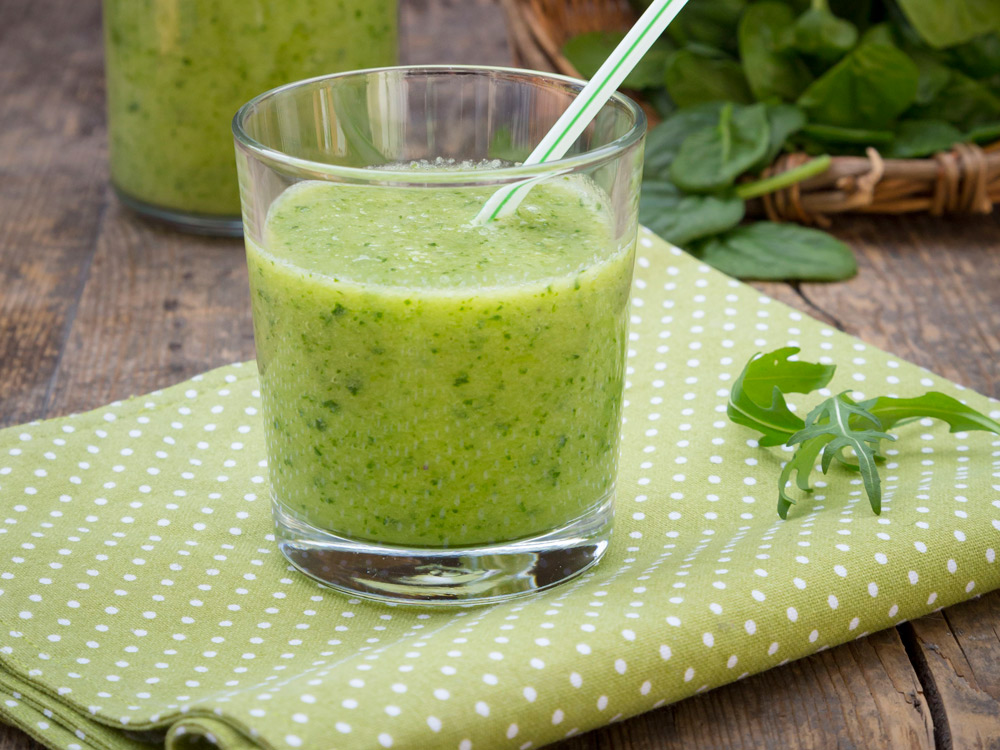
Green smoothie
Smoothies are a great introduction to breakfast if you don't normally have much of an appetite at the "crack of yawn". They're also a good portable option for your morning commute.
Compared with some hardcore green smoothie recipes, our green smoothie is a softer version that is quite sweet and fruity, while still giving you a healthy serving of greens. Blend all the ingredients together until smooth. Add more water to achieve the desired consistency.

Five-minute breakfasts
Sometimes mornings can be a bit of a rush. Make a batch of these granola bars, made with no added sugar, in advance for a healthy breakfast on the go.
Preheat the oven to 200°C (fan 180°C, gas mark 6). In a bowl, mix together the oats, cherries, cranberries and seeds. Pour in the melted butter and mix in thoroughly to make sure the oats are well coated. On a separate plate, mash the bananas into a pulp with a fork, add to the oat mixture and mix well. Spread the mixture into a 30cm x 20cm tin. Bake in the oven for 20-25 minutes. Once  cooked, transfer to a wire rack to cool, then cut into six bars.

English breakfast muffin
Oozing poached egg on a layer of cheese and roast ham – what's not to love about this lower calorie version of the classic English breakfast muffin?
Preheat the grill. Toast the muffins on the cut sides only. Poach the egg in gently simmering water for 3-4 minutes until the yoke is set but still runny in the middle. Spread the toasted sides with the low-fat spread and lay on the spinach leaves, ham and cheese. Place the poached egg on one muffin half, season with black pepper and top with the other muffin half.

Friday, March 27, 2015

Tips:Foods To Avoid For Acne

Nearly 85 percent of people have acne at some point in their lives, making acne the most common skin disorder in the US.1 While acne typically begins during puberty, it's not restricted to adolescents and may impact any age group – even into your 50s and beyond.While not physically dangerous, acne can take a considerable psychological toll. Some sufferers become so self-conscious and embarrassed that their professional and personal lives suffer, leading to increasing feelings of alienation, depression, and social withdrawal.Americans spend more than $2.2 billion every year on acne treatments, including prescription and over-the-counter products.

Desperate to Clear Your Skin? Stop Eating Gluten and Grains
If you have acne, you should try eliminating gluten and other lectin-containing foods, although I actually recommend that everyone following my beginner nutrition plan eliminate all gluten from their diets.Among the most important to avoid are those grains that contain the sticky, hard to digest prolamine proteins, such as wheat, barley, rye, and yes, even oats, rice, and corn. However, I don't recommend you stop there.

Avoid All Grains (and Sugar) If You Have Acne
When you eat grain carbohydrates and sugar/fructose, it causes a surge of insulin and insulin-like growth factor called IGF-1 in your body. This can lead to an excess of male hormones, like testosterone, which cause your pores to secrete sebum, a greasy substance that attracts acne-promoting bacteria. Additionally, IGF-1 causes skin cells known as keratinocytes to multiply, a process that is also associated with acne.

Why Optimizing Your Gut Health May Help with Acne
When you clean up your diet as described above, your gut health will naturally improve. You can further support it by consuming fermented foods regularly, to encourage the growth of beneficial microorganisms, which will benefit your skin health in multiple ways.

Controlling Acne Takes a Whole-Body Approach

Your skin is your body's largest organ, and an organ of elimination (e.g. sweating), which is why problems on its surface are often a sign of underlying issues. Your complexion is a reflection of your overall health, which is why topical (or worse, systemic) acne drugs will not heal the problem (and may result in serious side effects). Treating acne takes a whole-body approach that will nourish and heal your skin from the inside out, so don't forget to incorporate these essential factors into your acne-busting plan:

Wednesday, March 25, 2015

What is Holistic Nutrition?

Holistic nutrition is healing with whole foods. Using  unrefined, unprocessed, real foods in balance and variety to maximize health and vitality. Holistic Alternative – Engage in a holistic nutrition diet with a whole food holistic nutrition program. Learn more information about holistic health solutions by visiting All Things Healing online today! There used to be a time when people did not rely on processed food. There used to be a time when people did not live on potato chips, soda, and fast food. Here at All Things Healing, we believe that in order to achieve the physical, mental, and spiritual balance that you are aiming for, you have to maintain a balanced diet of whole foods. What are whole foods? Whole foods are foods that do not undergo processing or refinement and they do not have added ingredients like salt and sugar. Whole foods are part of the holistic health and healing nutrition program that we offer here at All Things Healing. Whole foods are advantageous to a person because they do not have added components that may harm our bodies. Fresh raw fruits and vegetables are known to provide holistic health solutions like reducing the risk of heart disease and cancer. Organic foods are also another holistic health and healing alternative that may help us achieve complete equilibrium. Organic foods are grown without the use of insecticides, herbicides and, in the case of livestock, growth hormones. As part of our holistic nutrition diet, organic foods are important since they contain all the minerals and nutrients our bodies need on a daily basis. Here at All Things Healing, we offer a holistic healing alternative to your diet that will greatly benefit you and your family. Our holistic nutrition diet consists of whole foods to ensure that all the nutrients and proteins that our bodies need are kept intact.  Our environment also benefits from holistic health solutions. Using less insecticides or pesticides not only preserves our foods’ nutrients, it also serves to protect the soil and atmosphere from harmful chemicals that pesticides and insecticides bring. Our Holistic Nutrition page aims to provide you with more information about holistic healing and our holistic nutrition program. Our nutrition team headed by Sam and Pamela are highly knowledgeable about holistic alternativenutrition and its benefits and they ensure that our articles and videos are up-to-date and relevant for further physical, mental, and spiritual progress.