Showing posts with label weight loss. Show all posts

Saturday, May 16, 2015

How Many Times Should You Chew Your Food for Weight Loss?


How you chew your food can go a long way to helping you control the amount of food you eat. Busy lifestyles often result in eating foods of lower nutritional value while you are on the go, which has consequences in terms of your weight. Observing some simple eating rules can help you chew your food more effectively and lose weight.

Chewing Food

The problem with the way most people chew their food is that it is done too fast. According to the Health Link BC website, it takes up to 20 minutes for your brain to get the signal that your stomach is full. During that 20-minute period, it is easy to consume portions you don’t need. Westchester University of Pennsylvania suggests chewing your food 30 to 50 times per mouthful. This will help slow you down, and mix the food thoroughly with saliva to help digestion. Also be sure to swallow what is in your mouth before taking another mouthful.

Portion Sizes

Modifying your portion sizes will help support your efforts to chew your foods more slowly. According to the National Center for Chronic Disease Prevention, people will consume more food at a sitting if the size of the portion is larger. Using smaller plates, so the plate still seems full, or just adding less to the plate, may help you eat less. Portion control is also helpful if you don’t feel comfortable leaving food on the plate.

Eating Mindfully

Distraction while eating can disrupt your digestion just as stress can, says the University of Minnesota. Distractions include driving, television or anything else that may take your mind away from eating. Mindful eating is about savoring your food and eating slowly without distraction. When you eat mindfully, you will be able to recognize when you are starting to get full so you can stop before you overeat. Setting your fork down between mouthfuls of food is another way to slow down your eating.

Weight Loss


By chewing your food 30 to 50 times and eating mindfully, you should consume less food on a daily basis, which would result in fewer calories being taken in, possibly causing you to lose weight.

Considerations


In between your mindfully eaten meals, try not to let yourself get to the point where you are ravenous. Always eat something when you first start to feel hungry, to keep any extreme hunger at bay. When you do eat, aim for being satisfied, but never stuffed.

What Fruits Should You Eat at Night to Lose Weight?


If you're trying to lose weight and like to snack at night, you can’t go wrong with a healthy helping of whole fruit. Not only is fruit low in calories, but its natural sweetness may help satisfy your after-dinner sweet tooth. Any fruit makes a good choice; the trick is to mind your portions and keep your overall calories in check.

Snack Calories

There's nothing wrong with snacking at night. The problem is late-night snackers tend to eat more overall calories, according to Beth Israel Deaconess Medical Center, and this may lead to weight gain. Even eating too many fruit calories can cause you to gain weight. So you first need to know and track your daily calorie needs for weight loss, which typically ranges from 1,200 to 1,800 calories a day depending on your gender and activity level, and saving about 200 calories for your nighttime fruit snack.

Go Large With Melons

If you're looking for a large nighttime snack that won't overdo it on calories, go for melons such as watermelon, cantaloupe or honeydew. These water-rich fruits are very low in calories, which means you can eat a lot and still stay within your 200-calorie snack limit. You can enjoy 3 cups of honeydew or cantaloupe balls for just under 200 calories. Or, even more filling, have 4 cups of watermelon balls for 184 calories.

Sweet Berries

Berries also make a good nighttime snack choice. They're not only low in calories but also filled with fiber and antioxidants. Indulge on 4 cups of sliced strawberries for 196 calories. Raspberries are also a good choice with 192 calories in a 3-cup serving. Raspberries are very high in fiber, however, with 24 grams in that same 3-cup serving, and if you're not used to eating that much fiber, you might experience abdominal discomfort. So go slow starting with 1 cup at a time, and be sure to drink plenty of water.

Apples and Pears

Apples and pears also make good nighttime snack options when trying to lose weight. There's no need for any special preparation, and the crunch of the skin and meat of the fruit can make it a very satisfying choice. One medium apple or pear has about 100 calories. You can add 1 ounce of low-fat cheddar cheese to your apple or pear snack if you enjoy the balance of sweet and savory for an additional 100 calories.

Wednesday, May 6, 2015

These Small Changes to Your Eating Habits Can Lead to Big Weight Loss


As we age and our metabolisms slow, it's easy to pack on a few pounds without realizing it. But a new study has found that making consistent changes to your eating habits can lead to big weight-loss results over time.

The study, published in the American Journal of Clinical Nutrition, followed the dietary habits of over 120,000 people for 16 years and found that those who ate foods that had a high glycemic load (which includes refined grains, starches, and sugars) gained more weight than those who ate foods with a low glycemic load (foods such as nuts, dairy, and certain fruits and vegetables). This isn't surprising or new; other research has shown that going lower on the glycemic index (GI) scale will help you lose weight. What is interesting in the new study, however, is that other key habits can mean the difference between pounds on the scale. Check out what else the researchers found about weight gain and loss:
Those who ate more yogurt, seafood, skinless chicken, and nuts lost the most weight; in fact, the more people ate of these foods, the less weight they gained.
The researchers found, however, no difference in weight gain in those who ate low-fat vs full-fat dairy.
Diets with more red and processed meat intake were associated with weight gain, especially when meat was paired with refined grains or starches.
Eating meat paired with low-GI foods, however, (like vegetables) helped reduce weight gain.
Eating foods like eggs and cheese along with high-GI foods was linked to weight gain, while eating these foods with low-GI foods led to weight loss.

In general, the researchers found that the best diets for weight loss were high in protein-rich foods like fish, nuts, and yogurt, which helped prevent weight gain. Avoiding refined grains, starches, and sugars further helped, as did replacing red meat consumption with other protein-rich foods like eggs and cheese. It may seem like common sense, but taking the time to fill your plate with lean proteins and vegetables and other low-GI foods will help you lose or maintain weight throughout the years.


Want to Lose Weight? Keep These 10 Foods in Your Fridge (Photo Blog)


If you want to be healthier and lose weight, a fridge makeover may be just what you need. Keeping powerful perishables on hand will help you make a smart choice when you're tired, busy, or just craving junk. Stock up on these 10 foods and watch the pounds melt away.

1. Nut Butters
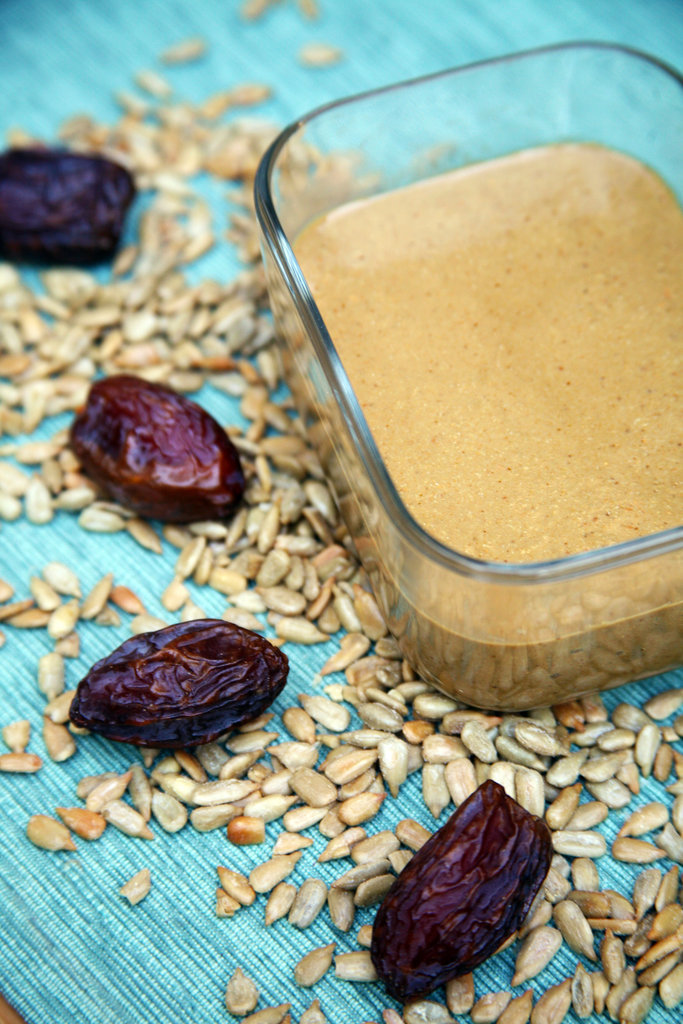
Smear on whole-grain toast, add to smoothies, or slather on apple slices for a quick snack that will keep you full.

2. Fruits
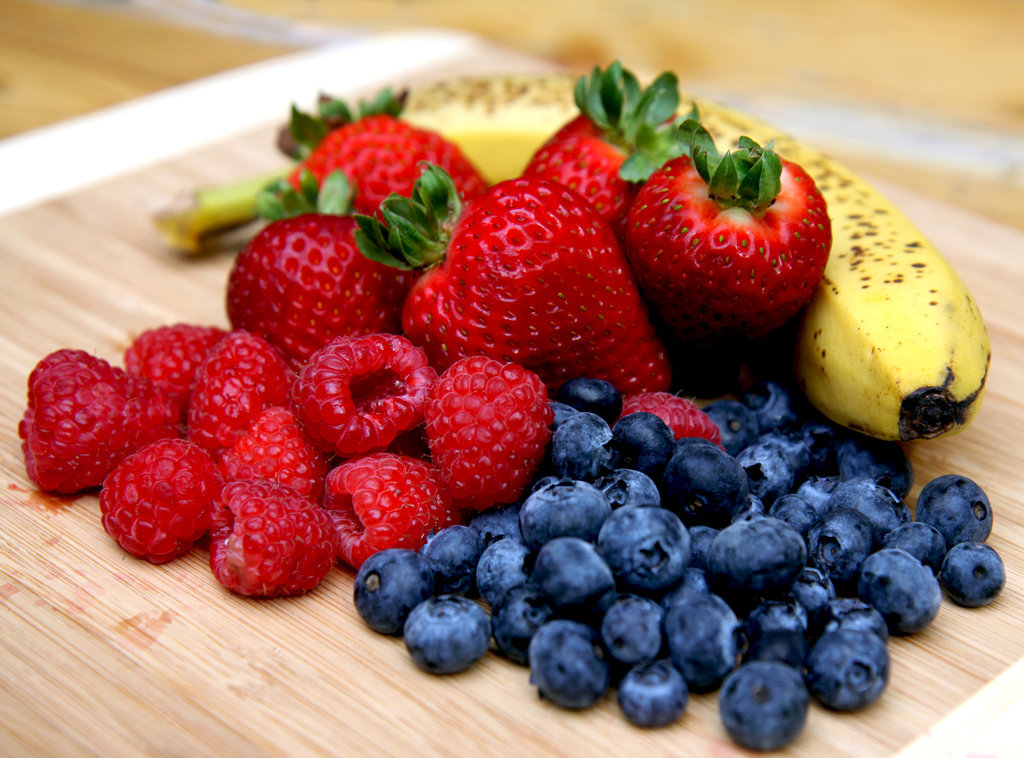
Another way to snack when busy — in-season, fresh fruits like berries, oranges, apples, and pears are essential when you need to grab and go.

3. Ready-to-Eat Lean Protein
For those days when you're starving and don't have time to make a meal, having a fridge of ready-to-eat protein will quell hunger without resorting to unhealthy snacking. Precook chicken breasts or quinoa at the start of the week so you can make a quick dinner when you get home, and stock up on BPA-free cans of beans as well. Fish like salmon also cook fast if you are looking for a fresh high-protein dinner option.

4. Cut Vegetables
Always have a few snackable veggies on hand for when you're craving something crunchy and savory. Baby carrots, celery, and sliced bell pepper can be eaten on their own or with a healthy dip.

5. Lemon
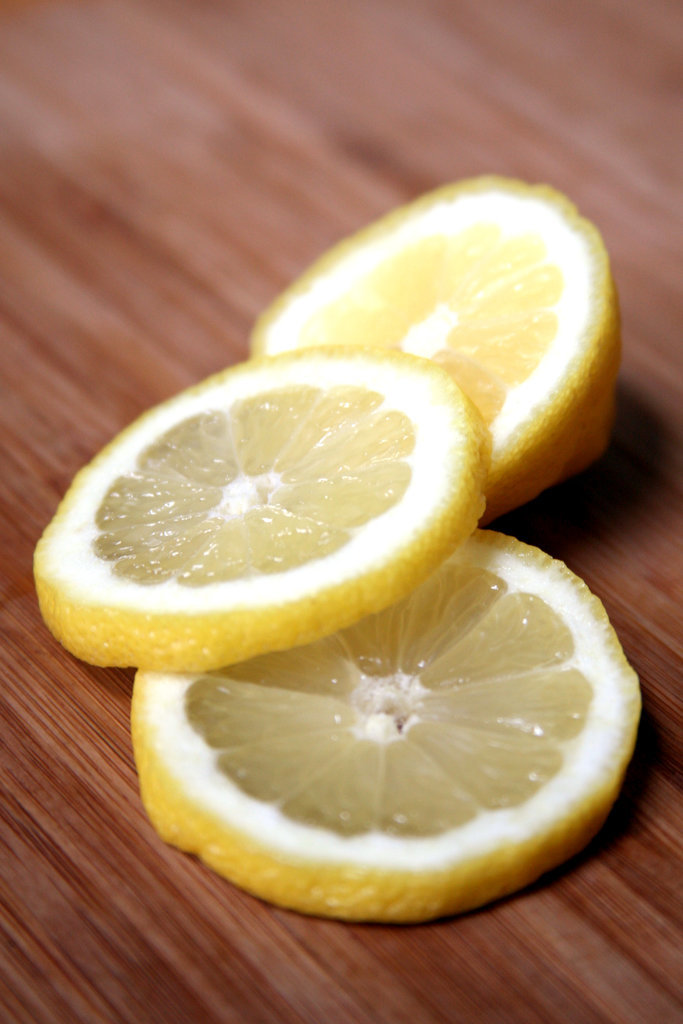
Squeeze lemon into your water or tea to jazz up your drink while detoxing. Keep a pitcher of this cucumber, ginger, and lemon detox water in your fridge to stay hydrated and energized.

6. Greek Yogurt
Instead of opting for a high-calorie dessert, grab a helping of Greek yogurt topped with fruit. Greek yogurt also makes a healthy replacement for sour cream, butter in baking, or any of these other Greek-yogurt substitutes.

7. Eggs
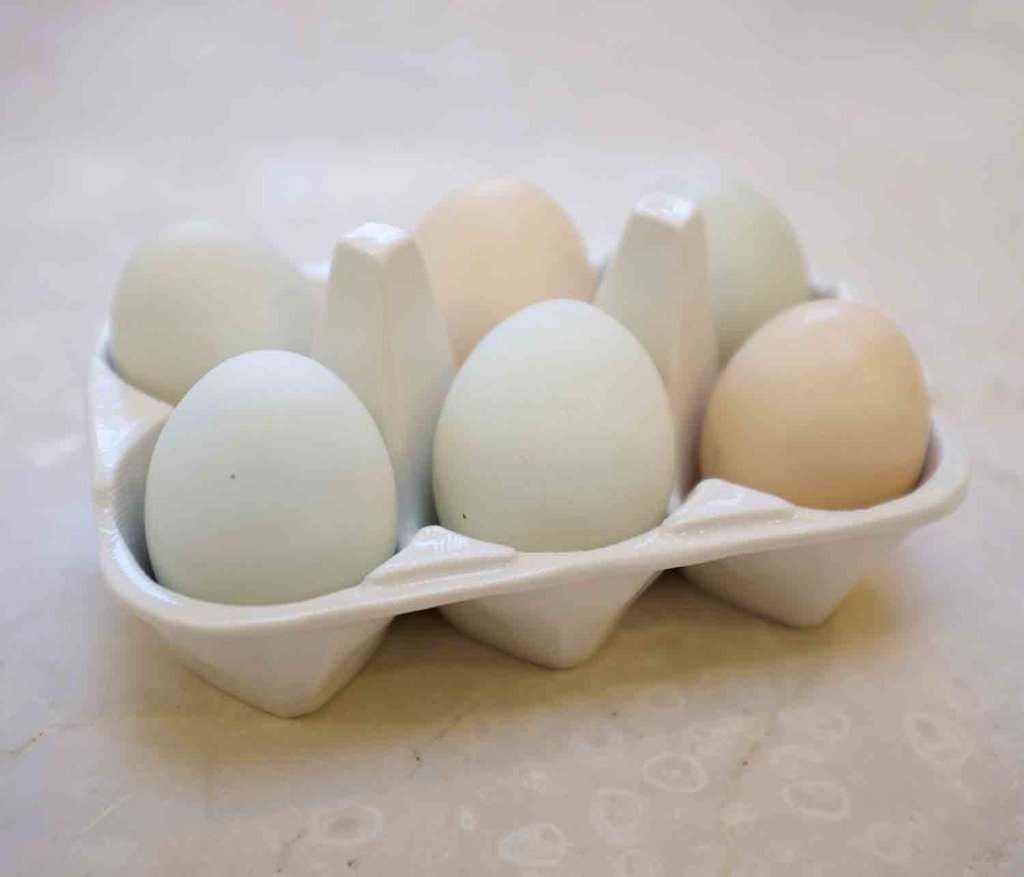
A few hard-boiled eggs in your fridge make opting for a healthy, protein-filled breakfast an easy choice.

8. Hummus
The high-protein condiment pairs great with cut-up veggies for a low-calorie snack, and you can use it in place of salad dressing or mayo. Go ahead — get creative and make your own flavorful hummus recipes.

9. Baby Spinach
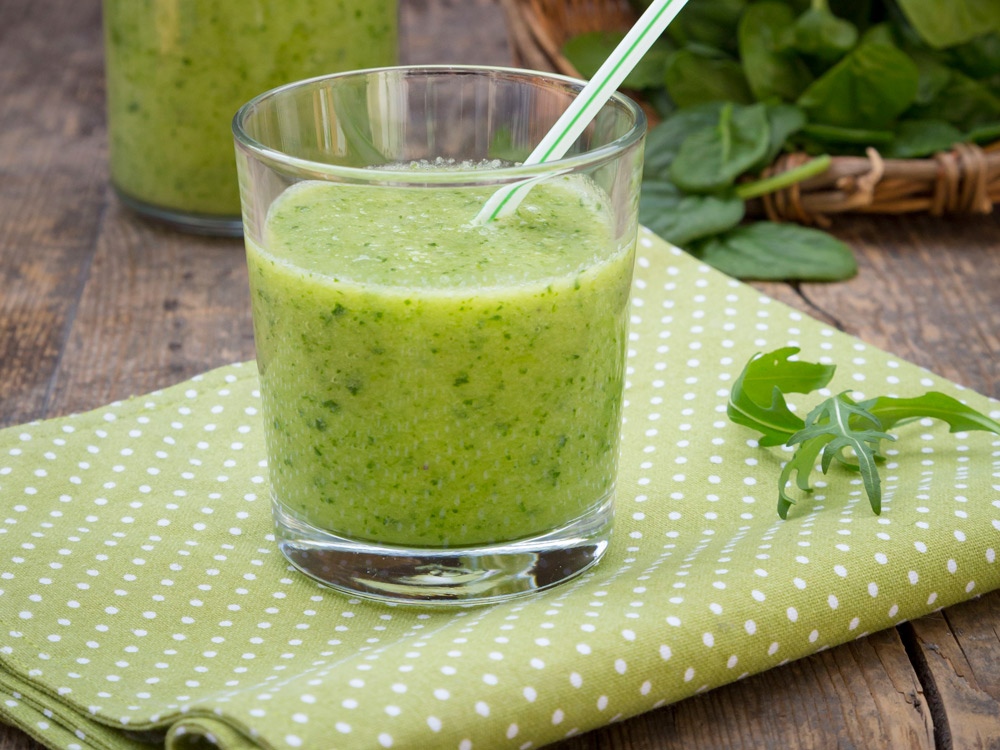
Baby spinach is an easy way to add nutrients to almost any meal. Top on pizza, pasta, sandwiches, soups — basically anything — for a dose of vitamin A and other nutrients. You can also add to smoothies without changing the taste.

10. Almond Milk
It's as versatile substitute for dairy milk in many recipes, with fewer calories and fat. Throw into smoothies, use in vegan baking, or eat with granola or cereal. If you've got a blender, you can even make your own almond milk.

Sunday, May 3, 2015

10 Ways to Gain More Health and Vitality For Maximum Success


Health does play a crucial part in success. The absence of our health allows us to experience appreciation and gratitude on a whole new level. The presence of health allows us to live a more productive, pain-free life enabling us to get more enjoyment out of life. Being healthy is feeling good about yourself, knowing that you are taking care of your most valuable asset – yourself.

Unless you are living in a bubble somewhere, there will be times when you have to deal with illness. Here are some suggestions to keep you on the road to success at times of illness.
Just because your body is ill, it does not mean you mind or spirit have to be ill as well. It is all about maintaining your positive mental attitude.
If your illness is temporary, see it as temporary. Setbacks in life are common and expected. Keep your sight on your life’s goals and never let temporary illness take you off course.
Focus your attention on anything but your illness. Be active if possible, practice mind control and focus on empowering and positive feelings.
Do something about your illness and work on future prevention. Is this something you could have prevented? If so, how? Make changes in your life if necessary to avoid illness and learn from each experience.

Remember that health is not just the absence of illness; it is the presence of vitality.

Here are 10 ways to help you reach and maintain your ideal health while enjoying life to the fullest.

1) Understand what you are eating
“Let your food be your medicine,” said Hippocrates, the Father of Medicine. Many believe that the foods we eat have a significant effect on both our short-term and long term health. We literally are what we eat. If we put garbage in, we get garbage out.

Spend some time and do some research on what you are taking daily, what nutrients and calories do they provide. If you understand your food, you can plan your meal and what to have for the entire day or week to give you the extra energy, focus and clarity that you need.

Eating well begins with learning about foods that have positive effects on your body and mind. Bookstores are loaded with books on this topic. So… Go get one would you?

2) Eat breakfast every day
No excuses because breakfast is your most important meal. Your breakfast should be taken within two hours of waking. Researched has again shows that having healthy breakfast has a long term health benefits. It can reduce stress level, improve your productivity, focus, and your mood and also gives you energy that you needed throughout the day.

3) Eat lunch every day
No excuses. Lunch re-energizes your body and keeps your metabolism active. If you feel sluggish and sleepy after lunch, probably you are taking too much. Consider a moderate size meal, with more vegetables and fruits will keeps you fresh and ready to take on another few hours.

4) Nap likes a celebrities
I discovered that many successful people who are actually nappers. Leonardo Da Vinci, Thomas Edison, John F. Kennedy, Lee Kuan Yew, Winston Churchill and so on…

I suggest you seriously considering taking daily naps for following few reasons:

a) Nap restores your energy and prevent you being burnout.
b) Nap reduces overall health diseases.
c) Nap makes you more productive
d) Nap restores your alertness

The national sleep foundation recommends a short nap of between 20-30 minutes to achieve all of the benefits above.


5) Drink enough fluid
Practice the habit of drinking plain or mineral water – with ten glasses a day is ideal. Our body are made up of 70% fluid. By keeping yourself hydrated, you revitalize and purify the body. Let me share with you few more great reasons why you should drink more water every day.

a) Water helps energize muscles and reduce muscle fatigue
b) Water helps improve your blood circulation system and keeps your body at a peak performance
c) Water lower down your stresses, migraine and thirst of sugar which may lead to health issue later on.

6) Exercise more
Both of your body and mind need activity to grow stronger. Maintain physical and mental fitness programs that keep you in your best shape. If you’re enjoying most doing together with others, join a membership club or a group workout lesson… It creates momentum and you will be surprise about how fast your progress will be.

7) Lose excess weight
If you are like most Americans, you probably can lose a few pounds. As you lose fat, your body becomes a more efficient “fat burning” machine. Conversely, as you pack on the pounds, it becomes increasingly more difficult to lose the weight.


8) Every day – Let your body out to play
Movement is play for your body. Every day give it a little of what it needs to be happy. It doesn’t matter if walking up the stairs is as much as you can manage; walk up the stairs today. And tomorrow aim to walk up the stairs twice. Or try a few stretches while you’re watching TV. Or race your kids to the end of the street. Or join them on the trampoline for a quick bounce. Start small and build up the expectation that you will move every day – Just as you would brush your teeth.

9) Make healthier choices
Eating well does not have to happen overnight. In fact, I began the process over 2 years ago when I have made dozens of healthier choices such as drinking water rather than diet soda, using olive oil in place of butter, snacking on nuts rather than candy, and other relatively painless dietary changes.

10) Do not neglect checkups
See your doctor on a regular basis. Many health problems are insignificant when taken care of early enough. Do not let your fear of doctors, or the sharp needles they stick into you, keep you from health.
Final Thought

Most people’s definition of success includes some level of health. It is very difficult to enjoy anything, including success, if your mind is continuously focused on your illnesses, pain, heartburn, lethargy, and/or the extra 20 pounds of fat you are carrying around with you. You have full control over many aspects of your health, so take control of what you can do today and live with vitality.

“What is called genius is the abundance of life and health.” – Henry David Thoreau

Tuesday, April 28, 2015

Controlling your weight is key to lowering stroke risk


There is a lot you can do to lower your chances of having a stroke. Even if you’ve already had a stroke or TIA (“mini-stroke”), you can take steps to prevent another.

Controlling your weight is an important way to lower stroke risk. Excess pounds strain the entire circulatory system and can lead to other health conditions, including high blood pressure, diabetes, high cholesterol, and obstructive sleep apnea. But losing as little as 5% to 10% of your starting weight can lower your blood pressure and other stroke risk factors.

Of course, you’ll need to keep the weight off for good, not just while you’re on a diet. The tips below can help you shed pounds and keep them off:

Move more. 
Exercise is one obvious way to burn off calories. But another approach is to increase your everyday activity wherever you can — walking, fidgeting, pacing while on the phone, taking stairs instead of the elevator.

Skip the sipped calories. 
Sodas, lattes, sports drinks, energy drinks, and even fruit juices are packed with unnecessary calories. Worse, your body doesn’t account for them the way it registers solid calories, so you can keep chugging them before your internal “fullness” mechanism tells you to stop. Instead, try unsweetened coffee or tea, or flavor your own sparkling water with a slice of lemon or lime, a spring of fresh mint, or a few raspberries.

Eat more whole foods. 
If you eat more unprocessed foods — such as fruits, vegetables, and whole grains — you’ll fill yourself up on meals that take a long time to digest. Plus, whole foods are full of vitamins, minerals, and fiber and tend to be lower in salt — which is better for your blood pressure, too.

Find healthier snacks. 
Snack time is many people’s downfall — but you don’t have to skip it as long as you snack wisely. Try carrot sticks as a sweet, crunchy alternative to crackers or potato chips, or air-popped popcorn (provided you skip the butter and salt and season it with your favorite spices instead). For a satisfying blend of carbs and protein, try a dollop of sunflower seed butter on apple slices.

Monday, April 27, 2015

How to Read Nutrition Labels for Low-Glycemic Shopping


Even though you can't find a food's glycemic index or load on its packaging, the ever-present nutrition facts label is a valuable tool for finding the best low-glycemic choices, as well as the best foods for weight loss. Knowing what to look for on the label can make life easier for you as you navigate the grocery store aisles.

Examining the nutrition facts label
Following a low-glycemic diet for weight loss means you must look at the whole picture of the foods you eat. Determining that a particular food is low-glycemic is only half of the equation. You also need to make sure that food is both healthy and low in calories. The nutrition facts label gives you all the info you need to know to make an informed choice.

Following are the basics on what a standard nutrition facts label in the United States covers:

Portion size: How many portions are in the package. Portion size is one of the most important things to look at first because it means the rest of the information you find on the label is based on that specific portion size. So if the package says there are two servings and the calorie level is 100, then you'll end up with 200 calories if you eat the whole package.

Calories: The amount of energy in one serving. Shoot for lower calorie levels when choosing your foods and be willing to compare different products to find the perfect one. If you're looking at entire entrees, follow these guidelines:
  • Women should consume 400 to 500 calories per meal
  • Men should consume 500 to 700 calories per meal.
If your entree is less than the top number in the recommended calorie range, that's okay.

Total fat: One of the three sources of calories for the body. Consuming a moderate amount of fats is important for your overall health. A gram of fat has more calories than a gram of carbohydrate or protein, causing your calorie level to add up quickly whenever you consume fats. Try to get no more than 30 percent of your calories from fat per day.

An easy way to determine the amount of fat you're consuming without breaking out the calculator is to look for 3 grams of fat per 100 calories.

Saturated fat: A subgroup of total fat that's considered unhealthy. Increased saturated fats in the diet are linked with heart disease and certain types of cancer. Try to get no more than 10 percent of your daily fat intake from saturated fats.

A good rule of thumb is to only consume 1 gram of saturated fats per 100 calories.

Trans fat: A man-made fat that's linked with heart disease. Do your best to purchase products without trans fats. If they aren't listed on the label, go to the ingredients list and look for the terms hydrogenated oil or partially hydrogenated oil; these terms are another way of saying a food has trans fats.

You may notice that the label says 0 trans fats, yet you still see hydrogenated oils listed among the ingredients. That means the food is made with trans fats, but for that portion size the amount of trans fats adds up to less than 0.5 grams. If you use more than the listed portion size, that minimal amount of trans fats will add up.

Fiber: The indigestible portion of a plant that provides roughage. The more the better! Fiber helps control your blood sugar and helps you feel full for a longer period of time. It provides denseness to foods and has no calories. Shoot for 3 grams of fiber or more per serving.

Sodium: A flavor-enhancing preservative. Sodium can cause your body to retain fluid, making you feel heavy and bloated. Scientific research shows that it may even stimulate your appetite. Choose lower-sodium items, and limit your sodium intake to 240 milligrams per serving.

Staying at or below 240 milligrams of sodium per serving tends to be difficult when you're dealing with packaged and canned foods because they often use sodium as a preservative. Do the best you can by finding the lowest sodium content available.

Using the ingredients list
Although nutrition facts labels include data on total carbohydrates and sugars, that doesn't give you much to go on as far as glycemic load. To determine that, you really need to know what the food is made up of. For instance, if you find whole-grain bread, you need to know what grain was used to make it — wheat, oats, or millet. Wheat and oats are fairly low-glycemic, but millet can be medium- to high-glycemic. Fortunately a food's ingredients list can give you a good idea whether you're buying a product that uses low-glycemic foods. Ingredients are listed from highest content to lowest. So the first ingredient makes up most of that food, and the last ingredient makes up the least amount.

Unless a product is tested for its glycemic index, you can only make your best-educated choice about it. If you know, for example, that most tested whole-wheat breads are low-glycemic, then you can get an idea for other products made of the same ingredients.

Change Your Lifestyle By Weight Loss


Some people lose weight by strict dieting for a short period. However, as soon as their diet is over, they often go back to their old eating habits, and their weight goes straight back on. Losing weight, and then keeping it off, needs a change in lifestyle for life. This includes such things as:
  • The type of food and drink that you normally buy.
  • The type of meals that you eat.
  • Your pattern of eating.
  • The amount of physical activity that you do.
Top tip: ask family or friends to help and encourage you to keep to a healthy lifestyle. Consider a lifestyle change for the whole family.

Before you start

Motivation is crucial

To lose weight and to keep it off, it is vital that you should be motivated, really want to lose weight, and want to improve aspects of your lifestyle. No weight-loss plan will work unless you have a serious desire to lose weight. You may not feel that being overweight or obese is a problem to you. So, you may have little motivation or desire to lose weight. That is fine, so long as you understand the health risks.

Top tip: write down the reasons why you would like to lose weight. Keep referring to this list to motivate yourself.

Set clear goals with a realistic timescale
Based on the recommended rate of weight loss explained above, set yourself a clear weight loss goal with a realistic timescale. Some people aim to get down to a perfect weight. However, this may be a lot of weight to lose for you and you may get fed up about poor progress, and give up. So, you may find it helpful to break up your weight loss goal. For example, you may wish to set yourself a goal to lose 4 kg over the following 4 to 6 weeks. Once you have achieved that goal, you can set yourself another, etc.

For most people, you can start to get health benefits by losing even just 5-10% of your starting weight. For example, if your starting weight was 100 kg, losing 5-10 kg in weight will produce some health benefits for you, even if you are still not at your ideal weight.

Top tip: aim to lose weight steadily, around 0.5-1 kg per week. For most people, health benefits can come from losing the first 5-10% of their weight. This is often about 5-10 kg.

Set yourself an action plan
In addition to setting yourself realistic weight loss targets, it is also helpful to set yourself an action plan. Be realistic and consider what you feel will have the most impact on your weight. For example, if you currently have a piece of cake every day, your action plan could be to reduce this to twice per week only. Your action plan might start with three main goals, and once you have achieved these goals, you can reset your action plan and think about other changes you might be able to make. The idea is to make small, gradual changes that you can stick to for life.

Monitor your current food intake
It is helpful to know how much you normally eat. Try keeping a diary, writing down everything that you eat and drink over a week or so. Include even the smallest of snacks. Are there times of the day that you tend to snack more? Are you eating three meals a day? Are there some snacks that you don't need? You may find it helpful to discuss your diary with your practice nurse, your doctor or a dietician. The simple fact is that, to lose weight, you must eat less than your current food intake (see above).

Top tip: don't forget the drinks. Some drinks contain lots of calories, including alcohol and some fizzy drinks.

Increase your physical activity levels
It is recommended that all adults should aim for at least 30 minutes of moderate-intensity physical activity on at least five days of the week. However, if you are overweight or obese and are aiming to lose weight, if possible you should try to do around 60-90 minutes on at least five days of the week.

Moderate physical activity includes: brisk walking, jogging, dancing, swimming, badminton, tennis, etc. In addition, try to do more in your daily routines. For example, use stairs instead of lifts, walk or cycle to work or school, etc. Avoid sitting for too long in front of the television or a computer screen. Take regular breaks whilst working. The good news is that you don't have to do this physical activity all in one chunk. You can break it up into blocks of 10-15 minutes. See separate leaflet called Physical Activity for Health, which gives more details.

Top tip: build your exercise levels up gradually. If you are not used to physical activity, try starting with a 30-minute brisk walk every day and then building up from there.

Friday, April 24, 2015

The Alkaline Diet: What Is It And Does It Work?


The alkaline diet, is one of the breakout diets of the last few years, it promises to improve energy levels and memory as well as help prevent headaches, bloating, heart disease, muscle pain and insomnia.

What is it? 

The Honestly Healthy Alkaline Programme, set up by nutritional therapist Vicki Edgson and organic chef Natasha Corrett (she's also the step-sister of Sienna Miller), involves eating mainly alkaline foods in order to keep the body's pH between 7.35 and 7.45. The ultimate aim is to eat 80 per cent alkaline foods and 20 per cent acidic foods.

It sounds a bit complicated? 

To really know what your pH levels are you need to test your urine: a far from glamorous experience. On top of this you have to keep an eye not just on what you eat but how you cook it. For example, raw spinach is alkaline, but when cooked it becomes acidic.

As a general rule, which foods are acidic and which foods are alkaline?

Almost all foods we eat, after they have been digested, break down into either an acidic or alkaline base. On that basis:

Fresh fruit, vegetables, roots, nuts, and legumes are all good. Dates, figs, grapefruit, lemon, lime, fennel, broccoli, artichoke, asparagus, beetroot, kale, spinach, watercress and cauliflower are considered the most alkaline.
Pasta, wheat, all dairy products, meat, fish and shellfish, coffee, tea, sugar, fizzy drinks and alcohol are all out.

Aside from weight loss, what are the benefits?

There are bold claims that cutting out acidic foods and sticking to a mainly alkaline-based diet can help with a range of problems including arthritis, diabetes and cancer, as well as slowing the ageing process. The authors of Honestly Healthy (the cookbook that Victoria Beckham has raved about), Vicki Edgson and Natasha Corrett, say that the diet can improve energy levels and memory and help prevent headaches, bloating, heart disease, muscle pain and insomnia.

Alkaline foods are easier for the digestive system to break down and therefore vitamins and minerals are more easily absorbed. Plus, the seeds and nuts recommended as part of the diet are rich in essential fats which help to improve skin tone.

How can I follow the diet? 

Stick to the 80/20 rule. So, your daily meals will consist mainly of vegetables and then a smaller quantity of grains and proteins. The Honestly Healthy cookbook has a whole load of tasty and alkaline recipes.

The Health Benefits of Drinking Water


Water is the main component of the human body. In fact, the body is composed of between 55 and 78 percent water, depending on body size. Adequate and regular water consumption has numerous health benefits. As an added plus, it has no calories, fat, carbohydrates or sugar.

The amount of water you consume everyday plays an important role in maintaining a healthy body. Experts recommend drinking eight to 10 glasses of water each day to maintain good health.Water helps keep the body well hydrated, which is essential because almost every cell in the body needs water to function properly.

Health benefits of drinking water.

1. Relieves Fatigue
If you often feel tired, there is a high chance that it could be due to inadequate consumption of water which makes the body function less efficiently. In fact, fatigue is one of the first signs of dehydration.

2. Improves Mood
Research indicates that mild dehydration (even one or two percent lower hydration level of hydration than optimal) can negatively affect your mood and ability to think.

3. Treats Headaches and Migraines
If you have a headache or migraine, the first thing that you can do to get some relief is drink plenty of water. Headaches and migraines are often caused by dehydration.

5. Aids Weight Loss
In a clinical trial, scientists found that drinking two eight-ounce glasses of water prior to meals can help suppress appetite and hence support your weight loss efforts. When you drink water, it fills your stomach and reduces the tendency to eat more.

6. Flushes Out Toxins
Water is an excellent detoxifier as it helps flush out toxins from your body and get rid of waste primarily through sweat and urine.
It also promotes kidney function and reduces kidney stones by diluting the salts and minerals in urine that cause kidney stones.

7. Regulates Body Temperature
An ample amount of water in the body also helps regulate body temperature. The thermal properties of water and its ability to release heat from the body when sweat evaporates from the surface of the skin greatly helps maintain an even body temperature.

8. Promotes Healthy Skin
Water keeps the body well hydrated and improves capillary blood flow, which promotes healthier and younger-looking skin. Water helps replenish skin tissues, moisturizes skin and increases the elasticity in your skin.

9. Relieves Hangover
Drinking water works as a simple yet effective way to get rid of hangover as well. Being a diuretic, alcohol causes you to pee much more than you take in. Thus, water helps rehydrate the body and speed up recovery.

10. Beats Bad Breath
Bad breath is a clear sign that you may not be drinking sufficient water. It keeps your mouth moist and washes away food particles and bacteria. It also dilutes the smelly compounds that oral bacteria create.


So, drink sufficient water and also rinse your mouth with water, especially after having a meal or snack to control odors and remove bacteria and food debris stuck between your teeth and gum line.

To conclude, it is essential to make necessary efforts to drink adequate amount of water daily. To derive the various health benefits of water, make sure to drink filtered water. Along with water, also take more fluids and eat more fruits and vegetables that are high in water content.

Monday, April 20, 2015

How Much Protein Is Right For You?


Fitness types often recommend megadoses of protein, sometimes as high as three to four grams per pound of bodyweight. On the other hand, the medical establishment argues that most of us take in more protein than we need. The U.S. Department of Agriculture, meanwhile, has a recommended dietary allowance (RDA) of 0.36 grams of protein per pound of body weight. So if you weigh 160 pounds, your RDA for protein is 58 grams. Eat a 12-ounce sirloin steak, and bam, you’ve met your goal for the day.

The problem with both of these estimates is that neither really describes a realistic need. The meathead bodybuilder protein portion might work if you want to look like Lou Ferrigno (although no one needs anywhere as much as three to four grams per pound of bodyweight). For the rest of us, it’s a touch much. And the USDA’s recommendation? The organization describes that as “The average daily dietary nutrient intake level sufficient to meet the nutrient requirement of nearly all (97 to 98%) healthy individuals in a particular life stage.” Basically, it’s enough to make sure you won’t die.

What we really need is a standard that tells us how much protein we should eat based on our own individual goals and aspirations. I prefer to call this the optimal intake level. And while that number might not be so high as the figures quoted in the pages of those magazines I used to read, it’s certainly greater than the recommendation from the USDA.

Protein: Finding Your Optimal Level

Suppose you want to lose weight. That means you should probably follow some simple guidelines like eating less sugar. But research also indicates that eating more protein can help you towards this goal.

Scientists at the University of Illinois designed a weight-loss program in which one group ate the RDA for protein, while a matched group ate two times the RDA recommended amount. Both groups also exercised. The RDA group lost 12 pounds of fat in 16 weeks, while the higher-protein group lost nearly 20 pounds during the same time period. The RDA group also lost two pounds of muscle. This suggests that you need more protein during a weight-loss program, both to lose fat and to preserve your muscle.

“But wait,” protein naysayers will bark. “Won’t eating all of that protein jeopardize your cardiovascular system? It’s bound to clog your arteries.”

To put that concern to the test, researchers pooled together a group of subjects with high blood pressure and less-than-ideal cholesterol, and tested the impact of adding more protein to their diets. (The OmniHeart study) No one was allowed to gain or lose weight during the test, so any changes couldn’t be chalked up to the benefits of dropping a few pounds. Some subjects ate a diet with 18 percent of their total calories coming from protein, which is pretty close to the USDA’s recommended amount. A second group upped their protein intake to 28 percent.

What happened?

The higher-protein group showed better health across the board. People in that group had greater decreases in blood pressure, LDL (“bad”) cholesterol, and triglyceride levels. What’s more, their estimated 10-year risk of heart disease decreased compared to those on the lower protein track. Had these subjects been allowed to lose weight, the results may have been even more dramatic.

So what is optimal? If you go by science, about 30 percent of your calories should come from protein. At that level, you won’t have to worry about deficiencies, and you’ll know you’re getting enough of the nutrient to lose fat while also improving your heart health. Have some protein at each of your meals and snacks, and you’ll hit the target with ease.

Protein and Energy

Allow me to pause our protein discussion to talk about your blood sugar. When you eat a meal, your body breaks down carbohydrates into individual sugars and dumps them into your bloodstream. It doesn’t matter if those carbs come from broccoli or biscuits. Your body needs energy, and this is how it’s produced. The result is an increase in your blood-sugar levels.

Now, your body is very particular about blood sugar, just like Goldilocks was particular about her porridge – it wants your blood-sugar levels to be just right (70 to 99 milligrams per deciliter, for those of you interested in numbers).

When you eat a big meal, your blood sugar increases a lot. This makes your body freak out. Your pancreas responds by releasing the hormone insulin. Insulin’s job in this case is very simple: Get the excess sugar out of your blood. It does this by going “door to door” throughout your body, knocking on the entry points of muscle and fat cells to see if they’ll open and take in some sugar until blood levels return to just right.

If your body overreacts, your pancreas will release too much insulin. That insulin will knock on too many doors, pulling too much sugar out of your blood. Now you have a new problem: hypoglycemia (hypo = low; glycemia = sugar). You’ll start to feel tired, or hungry, or perhaps both. You get tired because your body’s most immediate energy source, the sugar in your blood, is suddenly depleted. You want to eat because low blood sugar is one of your body’s most powerful hunger signals. Your body will crave carb-rich foods to get your blood sugar back up again, even if you just ate.

Here’s how protein plays into the equation. Protein can help displace those carbs. The amino acids that form the building blocks of protein provoke a much-lower insulin response than the one triggered by a high-carb meal. So consuming more protein will have a less dramatic affect on your blood sugar.

Protein also triggers the release of a hormone called glucagon. Glucagon is the yin to insulin’s yang. While insulin takes sugar from your blood and pushes it into muscle and fat cells, glucagon gets your fat cells to release stored fat into your bloodstream, where it provides fuel for your muscles, brain, and everything else that uses energy. Meaning that of all the types of food you can eat, protein is the most efficient for your body: It controls insulin and helps incinerate fat.

A Better Burn
When we talk about about burning calories, we tend to focus on exercise. But our bodies are constantly using energy throughout the day and night. Even when we’re sleeping, we’re still breathing and pumping blood. Our brains are dreaming. We’re still digesting food and finding places to store it. And not all foods are digested equally.

The components of food—protein, carbohydrates, and fats —require different amounts of energy to digest and process, just as different types and intensities of exercise burn more or fewer calories. Scientists call this metabolic cost the thermic effect of food (TEF). Protein has a much higher TEF than carbs or fat. That is, simply eating more protein means your body is burning more calories during the process of digestion. In some cases, doubling your protein intake will bump up the number of calories you burn throughout the day. That’s one reason why protein, all by itself, helps you lose weight.

The Building Blocks of Muscle

During digestion, your body breaks down protein into individual amino acids. It uses them in many different ways, putting them together like a child combines Legos to build a castle. (Fortunately, your body does this in a more consistent way than your average elementary schooler.) These castles are your muscle tissue. To build them, you need an adequate supply of building blocks.

But imagine that the Legos did more than just stack on top of each other – they took part in your castle construction by telling you when to build your towers and walls. That’s what the amino acids in protein do. They aren’t just inert pieces of food waiting to be broken down. They actively signal your body to build muscle.

The most important amino acid in this process is leucine, which is found in just about every protein-containing food you’d ever eat. But in order for leucine to optimize and maximize your ability to turn protein into muscle there needs to be a certain amount present—a protein threshold, if you will. Scientists estimate that this threshold is about 30 grams of protein. You can build muscle with less than this amount or more, but this dosage is what research has found is ideal for optimal functioning.

Once built, muscle is metabolically active, meaning it burns more calories than fat even while you’re at rest. (It scorches through a lot more when you’re active.) And the more muscle you have, the more effective and efficient you become at every activity, which helps you burn more calories.

The All-Day Protein Diet

I recommend consuming lean protein throughout the day. Here are some quick and easy ways to work this essential nutrient into every meal.

*BREAKFAST: eggs, egg whites, lean breakfast meats, Greek yogurt, smoothies with protein powder.

*LUNCH OR DINNER: salmon, chicken breasts, extra-lean ground turkey, extra-lean ground beef, turkey or chicken sausage, lean beef (top round, shoulder roast, skirt steak), tuna, cod, tilapia, shrimp, tofu.

*SNACKS: Nuts and seeds, roasted edamame beans, protein bars (pick bars with at least 10 grams of protein and no more than 30 grams of carbs), protein shakes.

Sunday, April 19, 2015

Make Over Your Motivation


Having a motivation meltdown? Follow our plan to keep cruising toward your diet and fitness goals.

Week 1: Take Baby Steps

Ever start a diet or workout routine with the enthusiasm of a late-night infomercial host only to have your motivation disappear in no time flat like a canceled sitcom? You're not alone. Research shows that a quarter of weight-loss plans fall by the wayside within two weeks. On the other hand, stick it out for a month and your odds of success skyrocket. "Doing something for 30 days ingrains and strengthens the brain's neural pathways, so you're likely to keep that behavior going on autopilot," says Lawrence Perlmuter, PhD, a professor of psychology at Rosalind Franklin University of Medicine and Science in North Chicago. Use our four-week bail-proof guide to survive the first crucial month of a healthy-lifestyle makeover without losing your thin-spiration.

Like a Marine drill sergeant with a class of new recruits, you're at your motivational peak. But trying to do too much too soon can sabotage even the best-laid weight-loss plans. "Make small, steady progress toward your ultimate goal during the first week — no drastic changes," recommends psychologist John Norcross, PhD, coauthor ofChanging for Good.

Stick-with-It Strategies for Week 1
Start small.


Aim to make one tweak a day: Add a new fruit to breakfast, skip your before-dinner cocktail, take a walk after lunch, do whatever you can to nudge your weight down. Once you adjust to these new habits, it will be easier to add more ambitious exercise and diet changes as the month goes on, Norcross says.

Don't waste your willpower.

A recent study published in Psychology & Health suggests that people have a finite amount of self-control, and that it can run dry, just like a bank account. To keep from depleting your source of inner strength during this first week, avoid situations that present temptations. Plan to have dinner at home instead of at restaurants; don't walk by the doughnut shop on your way to work. And squeeze in a workout first thing in the morning, before your motivation runs out.

Vary your vocab.

Saying you "should" do something, like exercise, immediately implies that you feel the activity is a burden, says Michael Sachs, PhD, an exercise psychology professor at Temple University in Philadelphia. Instead, replace should with want in your vocabulary. "By telling yourself that you want to work out today, you'll get into the right mind-set to go to the gym," Sachs says.

Do the write thing.

You've heard that jotting down your weight-loss goals makes them more likely to stick. "The very act reinforces them in your mind," Perlmuter says.

Week 2: K.O. Cravings

Congrats! Seven days down and you're still with the program. Next challenge: Squelching the urge to splurge. "Cravings worsen during the second week of a diet," says Elisa Zied, RD, an American Dietetic Association spokesperson and the author of Nutrition at Your Fingertips. It's partly physical — your body isn't used to running on fewer calories — and partly psychological. Suddenly, treats become more desirable simply because they're off-limits.

Stick-with-It Strategies for Week 2
Downsize your sweet tooth.


Adjust your palate by reducing sweets to only 10 percent of your caloric intake. So if you eat 1,600 calories a day, allow yourself a 160-calorie indulgence (about six Hershey's Kisses or a half cup of Dreyer's Grand Mint Chocolate Chip ice cream). "Giving up too much makes you feel deprived," Zied says. "By gradually cutting back on sweets, you'll eventually stop craving them.

Get fitter with Twitter.

Tempted to make a beeline for the candy machine? Tweet an S.O.S., suggests Connie Diekman, RD, director of university nutrition at Washington University in Saint Louis. You might write, "Candy bar craving! Need ideas for healthy alternatives." You'll be bombarded with supportive, encouraging words.

Work it out

Pining for a peanut butter cup? Take a hike. "Exercise eases stress and distracts you from thinking about food," says Heather Chambliss, PhD, a professor at the University of Memphis specializing in health behavior and exercise motivation. In a recent study in the journal Appetite, a 15-minute stroll reduced cravings in chocoholics, perhaps because exercise boosts levels of the feel-good chemical serotonin in the brain. Another study found that working out may release satiety hormones that keep your appetite in check for a full 24 hours.

Picture a new you.

Find an old snapshot of yourself that you love and post it on your fridge as a reminder of your goal for when the munchies hit. Keeping images of a trimmer you top of mind may help you think like a thin person, making it easier to choose healthy foods and toss out negative thoughts that could sabotage your diet, Perlmuter says.

Week 3: Find Support
Make the world your ally.

In Norcross's research on dieters trying to keep New Year's resolutions, those who took their promises public fared best. No need to wait until your next dinner party; spill the beans ASAP by starting a blog. The pressure will keep you on track: "If you cheat on your diet or stop exercising, you let down your readers as well as yourself," Norcross points out.

Find fit friends.

Enlist a pal to be your regular gym buddy so that you have someone to keep you accountable and share your struggles with. If you can't find a willing recruit, no worries; just ask a friend to check in with you every few days to see how your workouts and eating are going, Chambliss suggests. Making friends at the gym can help too. Strike up a conversation with the biker next to you, scan the bulletin board for workout buddies, or sign up for a group fitness class.

Get competitive.

Walk or run with people who are faster than you or position yourself next to speed demons in Spinning class so you'll push yourself to keep up. This also works outside the gym. "In the mall parking lot, try to beat other people to a store's entrance," Chambliss suggests, "or race up the stairs to see if you can arrive before someone who is taking the elevator." Even these mini triumphs will keep your motivation high.

Tech yourself out.

Set the alarm on your cell for when it's time to head to the gym (some phones have a "remind me" feature that will send you a text message). Clock your meals too: Eat breakfast within 45 minutes of getting up, then program the alarm to go off every three hours to remind you to have a small meal or snack, Diekman says. Eating frequently helps steady your blood sugar levels, keeping energy up and appetite down.

Week 4: Solidify Changes
Stick-with-It Strategies for Week 4
Think back.


List all the changes you've made in the previous three weeks and star the ones that have been easiest to maintain. Is bypassing booze something you can keep up forever? What about working out every day? Modify any changes that are proving difficult (hit the gym four times a week, not seven!) and keep only the ones you can live with permanently, Zied suggests.
Create an exercise alter ego.

"Calling yourself a runner, swimmer, or cyclist can make it easier to stick with the activity because it's now part of your identity," Chambliss says. You'll be less likely to blow off exercise sessions, as fitness is no longer simply a means to a weight-loss end; it is the end. Reinforce your new, athletic persona by surrounding yourself with like-minded people. Start a biking group (try meetup.com) or join a running club (go to rrca.org to find one near you).
Plan for real life.

Let's face it, sometimes you're going to pig out on kung pao chicken or skip your date with the stairclimber. Slip-ups are inevitable; it's how you respond that matters. "Feeling strong enough to get back on the wagon right away is empowering," Zied says. Don't beat yourself up over those egg rolls; go through your takeout menus and highlight five healthy options. Set up a plan B for no-gym days, even if it's as simple as running around the block or doing lunges and squats in your living room.

Believe in yourself.

Borrow a page from a kids' book and chant, "I think I can!" when your willpower reserves run low. Sounds cheesy, but it can make the difference between powering to the top of the hill on your a.m. run and wimping out. Newbie exercisers who strongly believed in their ability to succeed were most likely to still be exercising one year later, according to research from Miriam Hospital in Providence. So leave your no-can-do attitude in the dust and hit the road to a better body for life.

Friday, April 17, 2015

How To Reboot Metabolism


I'm living proof that you can't judge a metabolism by its cover. You and I could be the same height and weight, have the same BMI, and even fit into the same J Brand jeans, but have wildly different flab-to-muscle proportions, making one of us the calorie-burning equivalent of a Bic lighter and the other of a blowtorch.

Metabolism, simply put, is the total number of calories your body burns each day. Sixty-five percent of those calories are used up for 24-7 functions like breathing and circulation­ — the top burners are your brain, liver, heart, and kidneys — with another 10 percent devoted to the process of digesting the very foods that may have given you that muffin top in the first place. The remaining 25 percent of the calories you burn can be chalked up to the physical activity you do in a day — not just Spinning class but every move you make, including standing in line or tweeting your latest DEXA scan results.

You've heard it before: The more muscle you have, the more calories you burn. In fact, lean tissues, including organs and muscles, on average burn 14 calories a pound a day, while fat only burns about three calories per pound, Dr. Heber says.

Simply put, whether you're Kate Moss or Kirstie Alley, it's the absolute amount of muscle in you that determines the overall speed of your resting metabolism — the amount you burn just sitting around — and some of us are born with an edge in the amount of muscle fibers we've got. But don't blame bad genes for your extra flab. "It's your environment — that is, food and activity — that is extremely important in ultimately determining your weight," says Andrew G. Swick, PhD, director of obesity and eating disorders research at the University of North Carolina at Chapel Hill Nutrition Research Institute in Kannapolis.
And there's plenty you can do to not only add muscle but also maximize your metabolism along the way.

Workouts for a Faster Metabolism

Metabolism slows over time, but it doesn't do a sudden nosedive as you sit watching the American Idol finale. "Metabolism drops off 2 to 4 percent every decade as we tend to lose muscle mass," Dr. Heber explains. So, if as a twentysomething you burned 2,000 calories a day, fast-forward 10 years to your mid­thirties and you could be burning as few as 1,920 calories a day. Doesn't seem like a big difference until you do the math. Just 80 extra calories a day translates into eight pounds over a year, unless you pick up the slack with exercise.

"You can maintain your total energy expenditure as you age by combining strength training and aerobic activity. You'll probably need to do more of both," says Miriam Nelson, PhD, director of the John Hancock Research Center on Physical Activity, Nutrition, and Obesity Prevention at Tufts University in Boston. Nelson's studies in the 1990s found that a twice-weekly regimen of eight to 12 resistance exercises increased women's strength by 75 percent in one year, meaning they gained more metabolism-stoking muscle fibers. Most of those gains were in the first 12 weeks.

Even better, every workout you do will give you a metabolism boost, not just during it but also afterward. One study found that a 50-minute weight routine delivered an additional afterburn of 14 calories. Between sets, add cardio bursts or shorten the rest, and that afterburn spikes — to the tune of 25 calories following a quickie 19-minute circuit session, according to the same study.

Not only that, but "high-intensity interval training is a quick way to ramp up your body's ability to use fat as a fuel," explains Jason L. Talanian, PhD, assistant physiology professor at Fitchburg State University in Massachusetts. In a study Talanian conducted, women who did interval workouts on a stationary bike, similar to Spinning, burned 36 percent more fat when they switched back to a steady ride the following week. The speed bursts sparked a 20 percent increase in the amount of mitochondria in the exerciser's muscle cells, making it easier for the women to metabolize fat for fuel rather than carbs.

To net the afterburn uptick, "push your speed for 30 seconds when you walk or run, and then return to your usual pace for 30 seconds," Peel says. Over the course of a month Peel has me increase the ratio so I get 30 seconds of slowdown time for every minute of intense exercise.

What to Eat for a Faster Metabolism

Having a lab test indicate you're made out of jelly could send a girl off on a juice-cleanse bender, but that would actually slow your metabolism. "If you're on a very low-cal regimen — in the 400- to 800-calorie-a-day range — metabolism falls by 15 to 20 percent," says David Nieman, PhD, professor of exercise science and director of the Human Performance Laboratory at Appalachian State University in Boone, North Carolina. Eating less than 900 calories a day also prompts your body to burn muscle tissue as well as fat, which lowers your metabolic rate even more.

Stick with the 1,200- to 1,500-calorie a day range, Nieman suggests, and you'll still slim down without taking such a big bite out of your metabolism. "What's more, about 90 percent of the weight you lose will be fat," he says, sparing more of that calorie-burning muscle.

Another metabolism no-no that women are guilty of is ditching meals, Neiman says. "If you skip meals, you put yourself on that path toward fasting, which signals the metabolism to slow way down," he explains.

Meanwhile, Dr. Heber warns me to get more protein to help preserve the lean mass that's my metabolism workhorse. He recommends the higher end for me: 100 grams of protein a day from such foods as white meats, fish, egg whites, and soy, ­starting with breakfast. "Studies show that people who eat a high-protein breakfast control their hunger longer and their weight better," says Dr. Heber, who is the author of sensible diet books, including What Color Is Your Diet? I promptly replace my cornflake habit with egg-white omelets and the occasional whey-powder-injected pancakes.

"Think of your body as a Ferrari," says trainer Ghadery when I tell him I've turned over a new leaf with protein. "You don't put cheap gas in a vehicle like that."

Measure Your Metabolism

"Normally when people lose weight that is muscle, their metabolism goes down; it's one of the factors that causes them to gain weight back," Dr. Heber explains. "By exercising, you maintained 97 percent of your resting metabolism. If you hadn't exercised, you would have lost 20 pounds, but up to half would have been lean mass."

Back at the University of North Carolina, Swick and other scientists are homing in on identifying the different genes responsible for energy expenditure, as well as phenotypes of people who don't gain weight from overeating, in the hopes of identifying the variables that make us fit as opposed to fat.

So the blueprint for a perfect metabolism is in the works, but I won't be sitting around for it. I've already learned my lesson: No more running low on muscle.

Why We're Always Hungry


We're a country of people who never stop eating. The freedom to eat anytime and anywhere is convenient, but it also means you may be mindlessly inhaling hundreds of extra calories without even realizing it.

With so much food constantly in our face, it's no wonder that many of us are grazing all day long. Americans eat an average of 570 calories more per day than they did in the 1970s, largely due to constant eating, according to research from the University of North Carolina at Chapel Hill. "People have snacks with them at all times -- in their car, at their desk, in their purse," says study coauthor Barry Popkin, PhD. "We don't even know what hunger feels like anymore."

The health consequences aren't pretty. Think about it: Every time you load up on empty-calorie snacks, it means you're not eating foods that provide vital nutrients to give you energy (complex carbs), help you feel full (protein, fiber), and help prevent disease (a whole range of vitamins and minerals). Chronic snacking can also make it harder to lose weight.


The Psychology of Mindless Eating

Snacking isn't inherently bad; the problem is that we're not doing it right. "If people were reaching for real food with fiber, it would fill them up," Popkin points out. Instead, we tend to munch on sweet, high-carb snacks -- some of which contain nearly as many calories as a meal. These foods throw off your hunger cues big time, since they give you a quick sugar rush, then make you crash a short time later. The result? You crave another hit of the sweet stuff to feel better, and the cycle repeats itself.

The fact that snacks are available everywhere doesn't help either, because now it's socially acceptable to eat no matter where you are: walking down the street, waiting in line at the post office, during meetings, on planes, trains, and automobiles. This is mindless eating at its sneakiest. "It's a combination of a lack of awareness and environmental triggers," says Michelle May, MD, the author of Eat What You Love, Love What You Eat: How to Break Your Eat-Repent-Repeat Cycle. "The car wash is boring. There's a rack of candy bars -- suddenly, there's something enjoyable to do!"

These food-place associations are what Cornell University eating behavior expert Brian Wansink, PhD, calls "mindless eating scripts" -- those moments throughout the day when we eat out of habit, not hunger. "The most common one is eating on the way to work or on the way home," Wansink explains. "These scripts get reinforced by repetition."

Maybe your script is a doughnut on the way to work or a pack of cookies on the way home -- fillers between real meals that don't fill you up but will make you fat. And there's no denying that these foods can make you feel good. "We're wired neurologically to crave food that's high in fat, salt, and sugar," explains David Kessler, MD, author of The End of Overeating. "Snacks like ice cream and potato chips taste good but they also activate the pleasure centers in our brains."

Sometimes that blissful feeling becomes connected to a happy memory, says Dr. Kessler, which may give a particular food a powerful emotional appeal. That explains my relationship with soft-serve ice cream: Yes, it's delicious, but it also reminds me of those special days with my mom.

People also connect snacks to specific places where they simply have to have that food. Some associations are the result of conditioning -- think popcorn at the movies and hot dogs at a baseball game -- while others develop seemingly out of nowhere. I polled my friends and family, who sheepishly admitted their own strange links between a particular snack and place. Lavetta buys Twizzlers whenever she goes to FedEx. "It gives me something to do while I'm waiting in line," she says. My sister Amanda gets a pack of cupcakes at gas stations. And Diane always picks up a bag of cheese-filled pretzels at airports. "I have to fly a lot for work and I won't get on the plane without them," she says. "It's a habit I've had for years -- and I have no idea how it even started."

Afraid to Be Hungry

The first step toward breaking the cycle of mindless eating is to ask yourself, Am I really hungry right now? Because chances are, you're not. "Our bodies are designed to exist among scarcity, but we're constantly surrounded by food," says Dr. May. "As a result, we've learned to ignore what it means to feel full. We're choosing food for pleasure but then not eating in a way that gives us pleasure -- walking down the hallway or scarfing it down in the car."

I've certainly experienced this phenomenon, which happens a lot now that I have a 17-month-old daughter, Bella. Like most new moms, I'm busy and tired all the time so I'm putting less thought into what, where, and when I eat. I find myself grabbing a muffin (my second breakfast) at the shop conveniently located next to the subway on the way to appointments in the city. I crave a sweet snack around 4:00 in the afternoon as well -- not necessarily because I'm hungry but because it's soothing. And for the five minutes it takes to inhale a double-fudge brownie on my walk home to relieve the babysitter, I do feel better. But just a short time later I'm my old exhausted self again.

Since our impulses and cravings are so often unconscious, the step toward changing them is to make them conscious. "If you look at a bag of chips and see that it's filled with fat and salt, and then think, 'That isn't going to sustain me,' you can change how you value those chips," says Dr. Kessler. When Dr. May has a craving for a cookie or candy bar, she thinks about whether an apple would satisfy her instead. "If I'm really hungry, it will," she says. But sometimes, she ends up deciding that she does want the cookie -- and that's okay, too.

Do You Need Probiotic Supplements?


We know that probiotics are key to maintaining a healthy digestive tract. And various studies have linked the power-packed bacteria to numerous other health perks, including lowering blood pressure, helping with depression, and aiding in weight loss. What's not so clear: If you can get enough of the belly-dwelling organisms from probiotic-rich foods (think: yogurt, kefir, kimchi, tempeh, and sauerkraut, to name a few) or if you should be taking probiotic supplements.

Well, it's complicated. If you have a specific medical condition, like irritable bowel syndrome or ulcerative colitis, or if you've been on antibiotics, taking a probiotic supplement can be extremely beneficial, explains Patricia Raymond, MD, assistant professor of clinical internal medicine at Eastern Virginia Medical School. But beyond that, research is still forthcoming about how much our bodies actually benefit from taking daily probiotic supplements without a targeted health goal in mind. Experts have varying schools of thought, mainly because it's still murky how much our body actually absorbs.

If you do plan on popping a probiotic, here's what you need to know to make a solid supplement pick.

There are different kinds. 

"Different strains of probiotics yield different health benefits, just as different antibiotics are chosen for different infections," says Raymond. Avoid probiotics that don't have any published medical articles supporting their efficacy, and to choose a strain that suits any medical conditions you may have.

Look at the strains. 

If you're taking a supplement to help with a specific health problem, choose one that fits your needs, Raymond says. For instance, will help with irritable bowel syndrome and ulcerative colitis.

More is better. 

Choose one with around 10 billion CFU. The bottle of bugs is alive (sorry for the visual!), so some will die off as they sit on the shelf. Aim high to give yourself the best chance of reaping the benefits.

Pay attention to the expiration date. 

As we mentioned, probiotics are live organisms, which means the longer they sit on the shelf, the less effective they'll be.

Everyone raves about the health benefits of probiotics. But should you be taking probiotic supplements, or can you get enough from food?

Wednesday, April 15, 2015

Just the Facts - About Weight Loss


So many people are fighting obesity today, and despite the many success stories, countless books, endless magazine articles, it seems weight loss, dieting and slimming remain a problem and concern for so many people. If you are struggling with weight control and want to take control of your health problems, too, its important to recognize that healthy weight loss is possible, but requires commitment, dedication and perseverance. Instead on focusing on slim-fit jeans, think about how you want to feel when you can walk up a hill without being breathless, or if you'd like to be able to chase after your grandchildren without worrying about a heart attack! If you're serious about getting healthy and gaining a better lifestyle through weight control, do read on for some tips on gaining a healthy lifestyle. 

1. Concentrate on creating a HEALTHY LIFESTYLE, not just a short-term diet - you are aiming for long-term health and a gradual, healthy weight loss. Fad diets cause yo-yo weight loss, which in the long term affect your metabolism and self-confidence.

2. Watch what you eat – 3 healthy meals & 1-2 small snacks is the maximum each day
It's very easy to fall into the trap of constant snacking. Often we don't eat for sustenance, but because we are bored, stressed or just have a snacking habit. Learn to replace empty calories in snack foods with healthy nutritional snacks like nuts and fruits. Keep a water bottle handy, and drink from it all day to stave off hunger pangs.

3. Get up and move (walk, hula hoop, do aerobics or swim) for 30 minutes a day. No excuses!
Exercise not only ensures you burn excess calories, but helps keep your blood circulated, your skin hydrated and your mind active. If you can't find the time for 30 minutes of activity, sneak in 10-15 minutes any time you have the chance, all the small bursts of activity add up!

4. A healthy lifestyle plan, including times for meals, amount of water to be consumed, and type of daily exercise, has proven effectiveness.
Knowing what you have to do in advance helps you be prepared for the natural disinclination to do exercise or choose the healthy food for lunch. Deciding what food you will eat each day, what times to eat, what activity you are going to do, will help you to feel in control of your life, and better enable you to stick to it.

5. Eat in moderation instead of calorie counting. Choose wholesome, unprocessed foods and smaller portions, eating slowly and enjoying the meal.
Calorie counting can be very effective for some dieters, but most people find it too much hassle to keep writing down and working out the calories in every singe meal, snack, drink, etc that they eat. Often, it also makes they overly concerned with every food choice that they make, to the point that meals become depressing and inconvenient, causing them to abandon their efforts altogether. Instead, eat well, but in moderation, choosing smaller portions of food you really enjoy.
Dying for fried chicken? Make it an occasional treat, and pack half away for later. Can't resist the curry? Don't cover your plate with a large serving, but leave plenty of room for healthy accompaniments like vegetables and fruits. Can't refuse the birthday cake? Ask for a small sliver or share with a friend, and take your time eating it.

Drinking plenty of water, both before and during the meal will help you to slow down and eat less, too. Take the time, savour the taste, feel and texture of the meal as you eat it, giving your stomach time to register fullness, and the brain time to enjoy the meal so you can eat less, yet feel satisfied.

Friday, April 10, 2015

10 Things To Remember When Eating

In an effort to constantly improve health people will jump on almost any band-wagon. It is very important to know what you are putting in your body and whether it is actually helping or hindering you. Below is some information you may want to consider before making your next 'healthy choice'.Use the following 10 tips to side step potential.


1. Calories still exist

Bites, leftovers, and tastes (BLTs) are what get us in trouble over and over. Taking a taste here and there is fine, but they add up! All of these little extra nibbles have calories. Minimize these moments by eating hearty and healthy meals with a small treat.

2. Cookies don’t qualify as “breakfast”

We’ve all done it. You think about how many calories are in the cookies, do the math and realize it’s the same as breakfast. WOOHOO…or NOT! Keep in mind, it’s not just a total calories game. Eating two cookies isn’t the same as a 300-calorie salad! Eat the meal then have a cookie, but consider doing some activity later to make up for it.

3. Don’t put yourself on the “naughty” list

No food or beverage choice is absolutely wrong. If you love eggnog, there’s a way to enjoy a glass and not go up a dress size. Cut back at another meal or add steps. More importantly, the last thing you should do is berate yourself and assume that all is lost.

4. Double fist it

If you’re planning to partake in a few adult beverages during the festivities, make sure to start with water and follow your cocktail with a non-alcoholic drink. Not only will you consume fewer calories, but you will definitely feel better the next day!

5. If it ain’t broke… don’t fix it!

Your grandma’s famous sugar cut-outs have both a physical and emotional appeal you should NOT deny. There’s no need for substitutions to make low-fat versions (unless you want to). Make the real version instead, but use smaller cookie cutters or pie slices.

Remember, if the low-fat version leaves you longing for more because it just doesn’t hit the spot, you may want more. Better off making the real deal.

6. Don’t forget about your activity

Our to-do list of promises during this time of year is crazy. When we pile on all of these self-imposed must-dos, the only person who loses is YOU! With all of these promises we usually lose sight of exercise.

Working out reminds you to make smarter food choices later. Find time for some sort of activity, whether it’s a gym session (hint: Anytime Fitness is open) or backyard games.

7. Join the kids’ table

Two things are happening over in kiddy land that might serve you well during this time of year:
The kids are usually eating on smaller plates, with smaller utensils and drinking from smaller cups. Try this trick at your next food gathering.
There are usually fewer people at the small table. Did you know, eating with more people makes you consume more calories? At a big sit-down supper, be the last one to start and the second one to stop eating.

8. Pick up your phone

Sounds crazy, right? Try this: Commit to tracking your food intake during this busy time of year. Even having the app front and center on your device (where you have to look at it every time you turn on your phone) will be a gentle reminder to pay attention to what you’re consuming. Awareness is the first step.

9. Ignore the in-laws

Stressful interactions lead to mindless eating, which can all negatively affect your “bottom line.” Plan ahead and develop alternative methods for coping. Try a few deep breaths, leaving the stressful situation, or sitting at another table.

10. Step away from the buffet and snacks

The best thing you can do to avoid mindless nibbles is to step away from the table. Try not to get stuck socializing near the buffet. And, if it’s not rude, simply stand up when you’re done eating and get moving.

If you’re the host, make sure to keep food and drinks centralized in one area to remove the temptation of grazing.