Showing posts with label foods. Show all posts

Wednesday, May 6, 2015

Want to Lose Weight? Keep These 10 Foods in Your Fridge (Photo Blog)


If you want to be healthier and lose weight, a fridge makeover may be just what you need. Keeping powerful perishables on hand will help you make a smart choice when you're tired, busy, or just craving junk. Stock up on these 10 foods and watch the pounds melt away.
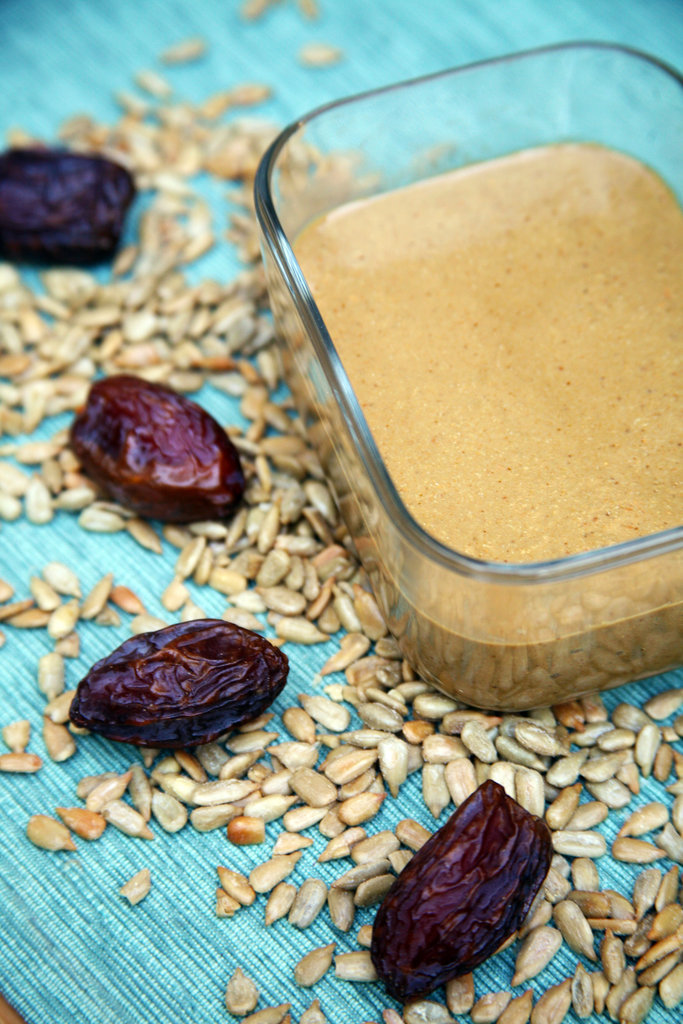
1. Nut Butters
Smear on whole-grain toast, add to smoothies, or slather on apple slices for a quick snack that will keep you full.
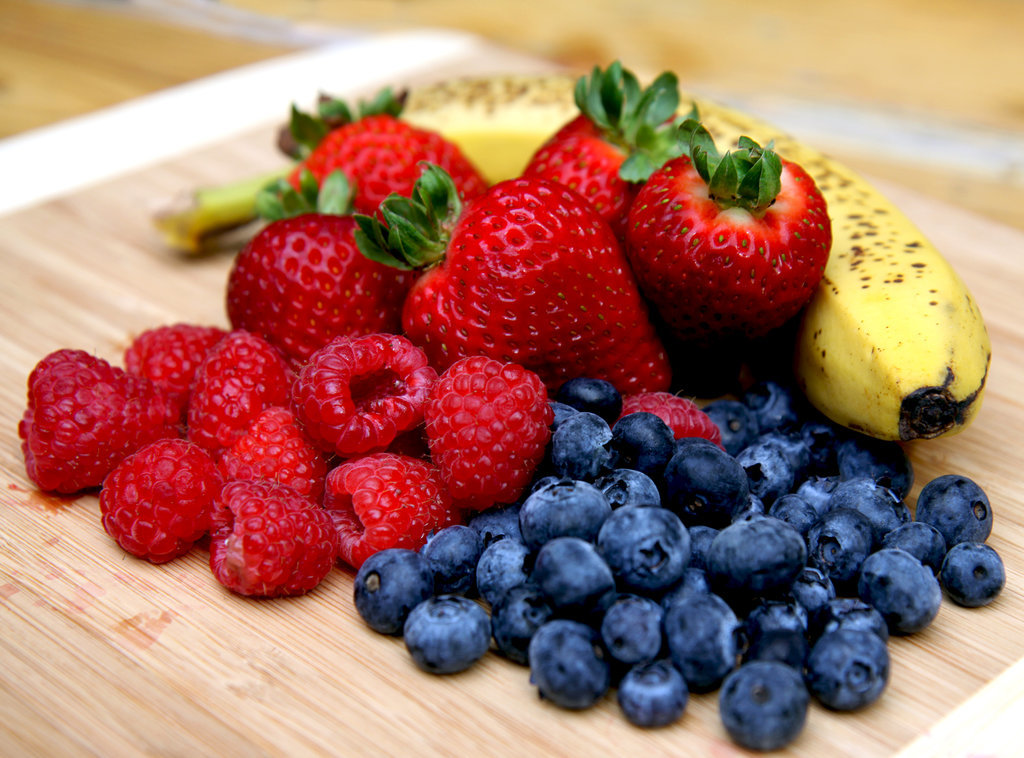
2. Fruits
Another way to snack when busy — in-season, fresh fruits like berries, oranges, apples, and pears are essential when you need to grab and go.
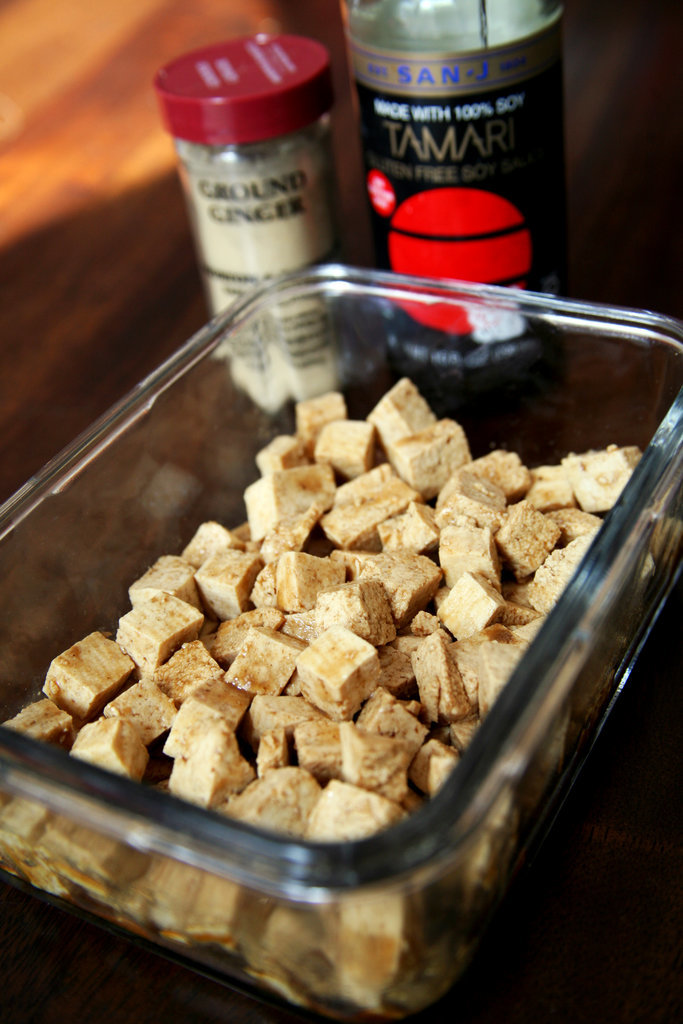
3. Ready-to-Eat Lean Protein
For those days when you're starving and don't have time to make a meal, having a fridge of ready-to-eat protein will quell hunger without resorting to unhealthy snacking. Precook chicken breasts or quinoa at the start of the week so you can make a quick dinner when you get home, and stock up on BPA-free cans of beans as well. Fish like salmon also cook fast if you are looking for a fresh high-protein dinner option.

4. Cut Vegetables
Always have a few snackable veggies on hand for when you're craving something crunchy and savory. Baby carrots, celery, and sliced bell pepper can be eaten on their own or with a healthy dip.
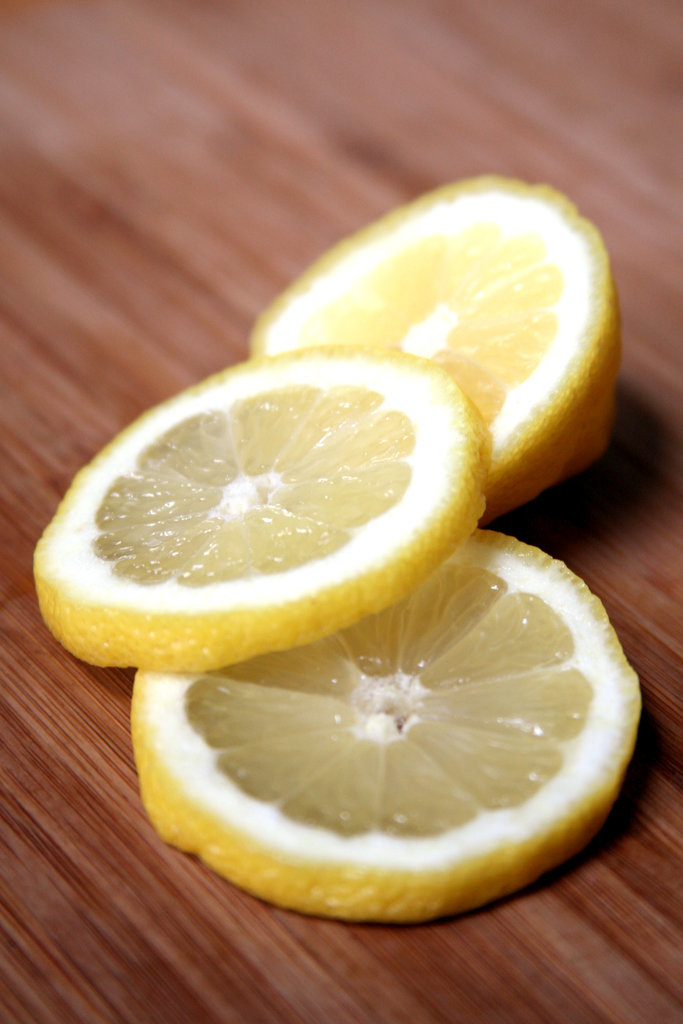
5. Lemon
Squeeze lemon into your water or tea to jazz up your drink while detoxing. Keep a pitcher of this cucumber, ginger, and lemon detox water in your fridge to stay hydrated and energized.

6. Greek Yogurt
Instead of opting for a high-calorie dessert, grab a helping of Greek yogurt topped with fruit. Greek yogurt also makes a healthy replacement for sour cream, butter in baking, or any of these other Greek-yogurt substitutes.
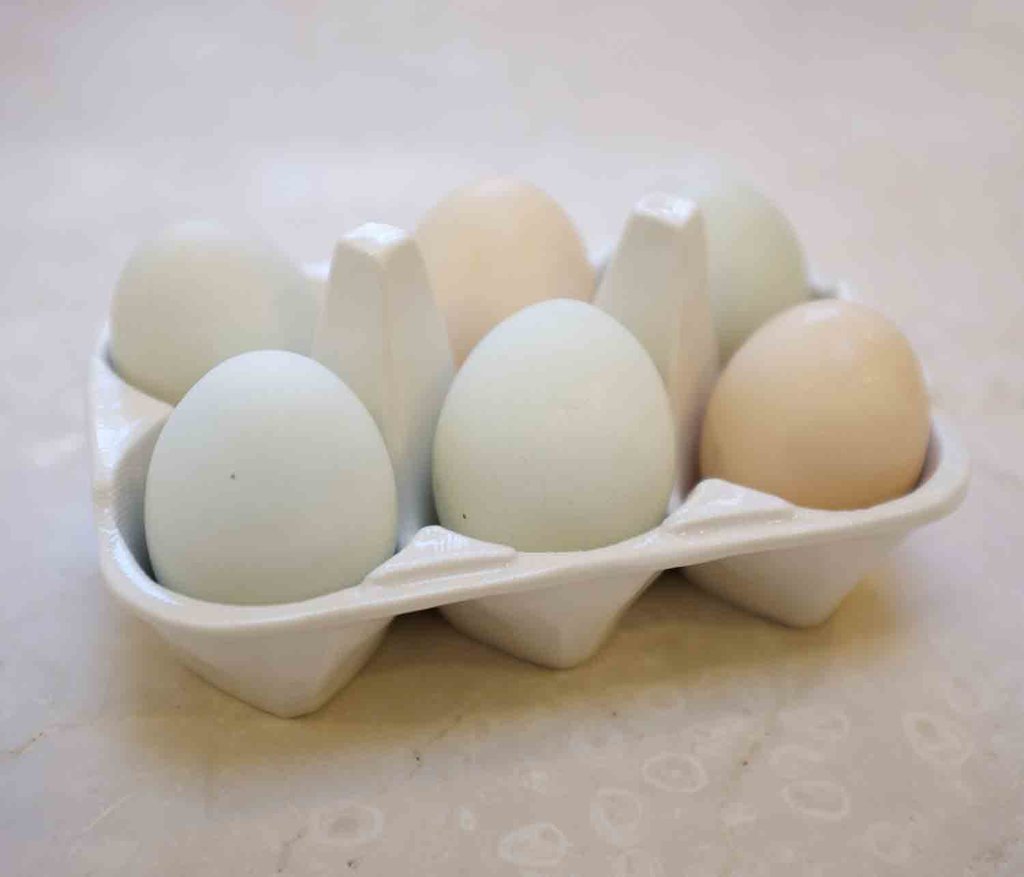
7. Eggs
A few hard-boiled eggs in your fridge make opting for a healthy, protein-filled breakfast an easy choice.

8. Hummus
The high-protein condiment pairs great with cut-up veggies for a low-calorie snack, and you can use it in place of salad dressing or mayo. Go ahead — get creative and make your own flavorful hummus recipes.

9. Baby Spinach
Baby spinach is an easy way to add nutrients to almost any meal. Top on pizza, pasta, sandwiches, soups — basically anything — for a dose of vitamin A and other nutrients. You can also add to smoothies without changing the taste.

10. Almond Milk
It's as versatile substitute for dairy milk in many recipes, with fewer calories and fat. Throw into smoothies, use in vegan baking, or eat with granola or cereal. If you've got a blender, you can even make your own almond milk.

Thursday, April 30, 2015

Foods That Are High in B Vitamins


The B vitamins include thiamin, riboflavin, niacin, folate (also called folic acid or folacin), vitamin B6, vitamin B12, biotin and pantothenic acid. The B vitamins work collectively and individually in every cell to perform many different jobs, including helping the body release the energy it gets from carbohydrates, proteins and fats.

Some foods are especially good sources of just one B vitamin, while other foods contain several B vitamins. Luckily, B vitamins are widely distributed throughout the food supply, so if you're eating a varied, balanced diet that includes foods from all food groups, you’re most likely getting as many vitamins as you need.

Thiamin


Your body relies on thiamin to regulate your appetite and support your metabolism. Some of the best sources of thiamin are pork, ham, dark green leafy vegetables, fortified whole-grain cereals and baked goods, wheat germ, enriched rice, green pea, lentils and nuts such as almonds and pecans. Women and men need 1.1 and 1.2 milligrams daily, respectively.

Riboflavin


Consume riboflavin for healthy skin. Milk and milk products such as yogurt and cheese are rich in riboflavin. Asparagus, spinach and other dark green leafy vegetables, chicken, fish, eggs and fortified cereals also supply significant amounts of riboflavin to the diet. Aim for an intake of 1.1 milligrams for women and 1.3 milligrams for men.

Niacin


Chicken, turkey, salmon and other fish including canned tuna packed in water are all excellent natural sources of niacin. Fortified cereals, legumes, peanuts, pasta and whole wheat also supply varying amounts. Niacin promotes healthy nerve function, benefits your cardiovascular system and aids in energy production. Men need 16 milligrams of niacin, while women need 14.

Folate


To remember which foods are high in folate, remember that the word folate has the same root as the word foliage. Leafy greens such as spinach and turnip greens and other fresh fruits and vegetables are all excellent sources of folate. All grain products such as breads, pastas and rice are fortified with folate. Consume 400 micrograms of folate daily. It promotes red blood cell health and nervous system function.

Vitamin B6


Some of the best sources of vitamin B6 are poultry, seafood, bananas, leafy green vegetables such as spinach, potatoes and fortified cereals. Your diet should include 1.3 milligrams of B-6 daily to support new red blood cell growth.

Vitamin B12


Animal foods are the only natural source of vitamin B12, but many products, including soy products and cereals, are fortified with B12 so it is widely available in the food supply. Other good natural sources include shellfish, such as clams, mussels and crab, fin fish and beef. You need only a small amount of B-12 -- 2.4 micrograms daily. This B-12 will boost red blood cell production and support your nervous system.

Biotin and Pantothenic Acid


Liver and egg yolks are the richest dietary sources of biotin -- a nutrient needed for a healthy metabolism -- but fortunately this B vitamin is well distributed throughout the food supply, so it is unlikely that anyone eating a balanced, varied diet will experience a deficiency. Salmon, pork and avocado are good sources; most fruits and vegetables contain a little biotin, as do cheeses and grain foods.

Yogurt and avocado are both excellent sources of pantothenic acid, a vitamin needed for enzyme function, but it is also available in a wide variety of foods such as legumes including lentils and split peas, sweet potatoes, mushrooms and broccoli. Consume 5 milligrams daily.