Showing posts with label health. Show all posts

Sunday, May 17, 2015

The Effects of Eating Take Away Foods Every Day


As people spend more time working and less time cooking, take away food has become an increasingly frequent option. Many people eat all three meals away from home every day, often at fast-food establishments. While take food can be a time and budget-friendly option, the effects of consuming standard burger-and-fries fare on a daily basis can result in unintended consequences to both your waistline and health. There are some nutritious fast-food options available at many takeaway food chains, but you need to do some research to separate the healthful from the harmful.

Obesity

One major consequence of eating takeaway food every day is excess calorie consumption. Most “value” meals served with fries and soda provide well over 1,000 calories per meal, which is more than half the average person’s calorie needs, according to the USDA. So if you eat take away food three meals a day, you may be eating 150 percent of you daily caloric needs. Long-term excess calorie consumption results in weight gain and obesity. In fact, the CARDIA study concluded consuming fast food more than two days per week was strongly associated with weight gain and increased risk of obesity. Diseases associated with obesity include metabolic syndrome, heart disease, diabetes and cancer.

High Blood Pressure

One common feature of many fast foods, even low-calorie fast foods, is high salt, or sodium, content. Currently all but one of the low-fat foot-long sandwiches at a popular chain has at least 60 percent of the average recommended daily intake of sodium of 2,400mg. Many low-calorie and low-fat foods are often loaded with salt to make them taste better. But high levels of salt intake can lead to high blood pressure, particularly in those who have sodium sensitivities and are overweight or obese, according to the American Heart Association.

Cardiovascular Disease

Take away food is often also packed with sources of excess added sugar and saturated fats such as mayonnaise, cheese and soda. While this translates into excess calories and weight gain, it can also become an independent risk factor for cardiovascular disease. Saturated fat has been shown to raise total cholesterol levels, while high sugar intake can lead to symptoms of metabolic syndrome, which include increased triglycerides. Elevated triglyceride and cholesterol levels are indicators of cardiovascular disease and are associated with increased risk of heart attack and stroke.

Diabetes

Many of the previously mentioned health conditions are related to each other, and diabetes is no different. Excess sugar intake, obesity and metabolic syndrome-related insulin resistance are all significant risk factors for developing diabetes. The CARDIA study also demonstrated eating takeaway food more than twice per week was strongly associated with insulin resistance and increased risk of type 2 diabetes. And diabetes greatly increases your risk of cardiovascular disease, so when you develop one of these conditions, you are likely facing a higher risk of all of them.

Can You Eat Takeaway Food Healthfully Every Day?

While takeaway food chains have made efforts to offer low-calorie, low-fat and low-sodium options, it remains a challenge to determine whether these menu items are truly healthy. For example, some fast-food restaurants offer salads on their menu that provide more calories and fat than large hamburgers due to large amounts of added cheese, fried chicken and high-calorie salad dressings. The best way to figure out whether a particular fast-food meal is healthy is to look at the nutrition facts at the restaurant or online. Check the calorie, saturated fat, sodium and sugar content. If you do not want to bother with the numbers, order options that are grilled or baked instead of fried. In addition, reduce or eliminate sources of added calories and fat, such as mayonnaise, special sauces, cheese or creamy salad dressings. Finally, choose healthier side options if they are available, like side salads or baked potatoes.

How Eating Habits Affect Your Health


Your body needs fuel in the form of food every day, but the wrong kind of fuel can lead to health problems. A balanced diet consists of fruits, vegetables, low-fat or fat-free dairy, whole grains, protein and fats, but it limits cholesterol, saturated fats, trans fats and sodium. When poor eating habits spiral out of control, it could cause serious health problems down the road.

Physical and Mental Health

Healthy eating habits affect both mental and physical wellness. What you eat affects your immune system, bone health and athletic performance, among other functions. It plays a role in your mental health, too -- healthy eating supports cognition, problem solving, memory, alertness, sleep and information processing, according to the Linus Pauling Institute, which also notes that good nutrition is important for proper brain development and maintenance of normal cognitive function.

Disease Prevention

When combined with regular physical activity, a balanced diet can help prevent such conditions as cardiovascular disease, type-2 diabetes and obesity. Columbia University reports that the three leading causes of death in the United States -- coronary heart disease, some types of cancer and stroke -- are directly linked with dietary behavior. To help prevent such conditions as cardiovascular disease, you need to keep your blood cholesterol, blood pressure and weight under control. All of this can be done through healthy eating and exercise.

Source of Macronutrients

While most foods contain more than one nutrient, no one food provides all the nutrients your body requires. It’s important to eat a variety of healthy foods to make sure your diet is nutritionally balanced and providing all the nutrients your body needs to function. The three macronutrients -- carbohydrates, protein and fat -- provide energy to your body in the form of calories, among other key functions. Carbohydrates are the body's main energy source, fats increase vitamin absorption and proteins are vital for growth, maintenance and structural support of muscle tissue.

The Micronutrient Mix

Along with macronutrients, your body also requires micronutrients, or the vitamins and minerals needed to keep the body functioning properly. Some important micronutrients include vitamins A, B, C, D, E and K, iron, calcium, zinc, copper, iodine, manganese and cobalamin. Micronutrients play vital roles in growth, metabolism and affecting enzyme function in cells.

Making Changes


Simple changes in your daily eating behaviors such as eating more slowly and avoiding large serving sizes can result in healthier eating over time. Eating slowly, for example, can reduce overeating, heartburn, indigestion and feeling bloated. The University of Arkansas notes that it takes 15 to 20 minutes for the stomach to send signals to the brain, letting you know you are full. Other ways to support healthy eating habits include recording your eating habits throughout the day and shopping with nutrition in mind by reading food labels and focusing on fresh vs. processed foods.

Monday, May 11, 2015

A Guide to the B Vitamins Groups


You may find this a bit repetetive since a lot of these vitamins have similar functions, in fact they were believed to be one vitamin in the past. A good reason never to take them separately. I get some questions about the anabolic and protective properties of Niacin and pyridoxine. These are two very worthy substances, but I'd never suggest taking them separately. In fact B3 and B6 are probably the two that are most related. But B-vitamins are very synergistic and I see no reason why you wouldn't spring for a B-complex vitamin. It's not very expensive and it will definitely optimize the use of your protein intake. In fact, if you are hard up for money, have to cut back on food and can't afford a lot of supplements, just eat eggs and cheese, drink a lot of milk and supplement with a B-vitamin. Take it from a poor student, you can grow on that. Now peruse some of the effects of the micro-nutrients I find to be the most anabolic. B-vitamins are a constant in my supplementation, even if I am not taking anything else.


THIAMIN (VITAMIN B1)
Of all the water-soluble vitamins, you are most likely to find yourself short on thiamin if your diet is inadequate. When not getting the minimum 1.5 mg daily, you will find yourself depleted of vitamin B1 in as little as 14 days. A common deficiency disease is beriberi. This can have other causes as well, but giving high doses of B1 in such cases will almost certainly cure it within hours.

The benefits of thiamin are that it enhances circulation and oxygen supply, increases energy, helps with blood formation, and metabolizes carbs. As you will see, B vitamins are all very good metabolizers. Furthermore, B1 is used in the maintenance of the nervous system and for the biosynthesis of a number of cell constituents. Not unlike the neurotransmitter acetylcholine (also derived from a water-soluble vitamin) and the amino acid GABA (manufactured from arganine under influence of B vitamins), it plays a key role in the manufacture of hydrochloric acid, thereby easing digestion. Thiamin will help you use glycogen more accurately and ease the absorption of nutrients.


RIBOFLAVIN (VITAMIN B2)
B2 is not actually ingested, but made by intestinal flora from digested flavonoids. It is one of the easiest nutrients to absorb, but also, as with all water-soluble vitamins, one of the easiest to excrete. This makes for an almost constant need of Riboflavin. At least the minimum dose daily. There is no bodily supply of it.

Much like the B1 vitamin, riboflavin is used to better the use of oxygen by cells and the transportation thereof in the blood. It also aids in the metabolism of carbs, but you'll find B2 to be equally effective with fatty acids and amino acids. B2, though not very effective at its thing when taken separately, is an intricate part of the B-complex, because it is needed to activate the B6 vitamin (pyridoxine) and to help manufacture the B3 vitamin (niacin) to assist in the adrenal gland functioning. It is largely responsible for the production of antibodies in the white blood cells (proving that B-vitamins have antioxidizing properties as well) and plays a role in cell growth as well as cell respiration.


NIACIN (VITAMIN B3)

Niacin is also known as nicotinic acid or niacinamide, which are derivatives of B3, though nicotinic was once considered a separate vitamin, B4. It is used for—you guessed it—cell respiration and the metabolization of carbs, protein, and fatty acids. It also assists with the maintenance of circulation and skin, functioning of the nervous system, and the normal secretion of bile acid and stomach fluids.

Of more importance to the bodybuilder may be the link between B3 and the manufacture of sex hormones.

Nicotinic acid given in high doses may improve blood cholesterol profiles and help the bodycleanse itself of organic poisons. It's also a memory enhancer. Do not cook B3-containing elements in water.


PANTOTHENIC ACID (VITAMIN B5)
Manufactured by the intestinal flora, B5 is often referred to as the anti-stress vitamin because it is involved in the manufacture of the hormones that are commonly associated with battling stress. It plays a very important role in the secretion of cortisol and by supporting the adrenal gland in that fashion, also in a minor part in the manufacture of cathecholamines (dopamine and epinephrine, norepinephrine). Through this effect it may also be a link in the metabolism of fatty acids to stimulate weight loss. And as with all B-vitamins it also aids in the metabolization of carbs and protein and is beneficial to the health of skin and nerves.

It helps to fight allergies and strengthens immunity. The importance of pantothenic acid expresses itself in its presence in coenzyme A. This enzyme is needed for the formation of citrates and the oxidation of pyruvates and alpha-ketoglutarates. Not to mention synthesis of triglycerides and cholesterol. Pantothenic acid is best preserved in a neutral environment. It is most bioactive when not cooked and when kept from overly acidic or alkaline environments. So don't add soda or any acidic nutrients like citric acid or vinegar.


PYRIDOXINE (VITAMIN B6)

Of all the B-vitamins, B6 is perhaps the most important for mental and physical health. This is especially true for women because it balances female hormones and assists in immunity. But pyridoxine is also important for the growth of new cells, used to process and metabolize carbs, protein and fats (are you getting tired of that one yet?) as well as controlling behavior and mood. Medically its most common uses include the treatment of children with learning difficulties, the prevention of dandruff, psoriasis and eczema, all common skin malfunctions.

B6 balances sodium and potassium and promotes the production of red blood cells (yet again). It is needed for the manufacture and part of the nucleic acids RNA and DNA. It has been linked recently in the improving of immunity against cancer and it is known to fight the conversion of cystine to the toxic substance homocysteine, a product very detrimental to hart tissue. B6 is often used in medicinal supplements as a liver detoxifier.

Women may find supplemental pyridoxine essential to combatting premenstrual fluid retention, avoiding menstrual pains, and minimizing acne or nausea during pregnancy. In the absence of B6 you will notice severe mood swings, depression, and loss of sex drive. Pyridoxine should be stored in a dark, cool place, and preferably consumed uncooked. Please keep in mind that high cortisol levels or the use of cortisone will destroy B6.


FOLIC ACID (VITAMIN B9)
Known chemically as pteroylglutamic acid, but known as Folic acid, folacin or folate. It is manufactured within the body, and unlike the preceding B-vitamins, can be stored up to a certain amount in the liver. Folic acid exerts its main importance in the synthesis of DesoxyRibonucleic acid (DNA), cell growth, red blood cells and the formation of non-essential amino acids from ingested and stored protein sources. It plays a vital role in the energy production and it creates heme, the iron-containing active substance in hemoglobin (blood substance).B9 vitamins are needed for healthy cell division because folic acid mainly, is a coenzyme for RNA and DNA synthesis. For bodybuilders maintaining Folic acid balance is important for muscle protein metabolism and improving digestion. Medically it is used to treat folic acid anemia, which can be detected through symptoms of indigestion, depression and anxiety.


CYANCOBAMIN (VITAMIN B12)
Cyancobamin and cobolamin are the most common forms of the B12 group, and is one of the most supplemented vitamins around, mostly due to its uses as an appetite stimulant and an energy booster. I don't approve of the practice. It's probably healthier to match B-vitamin intake according to overall intake.

B12 is a complex structured compound with a certain content of cobalt, a trace mineral needed in small amounts by the body. It promotes growth and naturally red blood cell manufacture. B12 can clear up infections, aid in combatting allergies and is linked to cancer prevention. And just in case you thought this was an exception, it is used to metabolize protein, carbs and fatty acids. There is no real need for B12 but is nonetheless often stacked by athletes. The only people who will need extra are vegans, since most of the sources are animal.


BIOTIN (VITAMIN H)
It's a strange name for a B-complex vitamin, I agree. But as water-solubles go, this may be one you should look into. Next to the (get ready:) red blood cell formation, the metabolism of protein, carbs and fats and the growth of cells H can also be important in the Krebs cycle, allowing for prolonged exercise and energy production under extreme pressure. For this it will stack well with ATP increasing substances.For aging men Biotin is critical for health of hair and skin, as well as sweat glands and nerve tissue. It also promotes better bone marrow and deficiency can be a cause of thinning of hair or hair loss.

Sunday, May 10, 2015

When Is the Best Time to Take Multivitamins?


Most people might need to take vitamins, also they can get the nutrients from the food they eat, others opt to take vitamins daily so their bodies absorb all essential nutrients. Women who are pregnant typically take prenatal vitamins on the recommendation of their doctors. People often wonder whether there is a “best time” to take vitamins. Medline Plus notes that in most cases, you should take vitamins once per day. It may help to take your vitamins with a meal rather than on an empty stomach or take them at a different time of day. Although the upset stomach could just be a side effect, some vitamins in high amounts can cause nausea. Consult your physician if you experience nausea frequently or if the nausea doesn't go away.

Minerals in Multivitamins

Multivitamins might include minerals such as iron, or you might also take iron in prescription form or as a separate supplement. But calcium, which is also in some multivitamins, can interfere with iron absorption, according to an October 2010 article in the “International Journal for Vitamin and Nutrition Research.” Women and children, who are at greater risk for iron deficiency than men, are also encouraged to eat or drink dairy products because they contain calcium. Because the calcium can inhibit iron absorption, doctors often caution people not to take multivitamins that contain iron with dairy products or calcium supplements.

Medication Interactions

Medications can interact with multivitamins when they are taken at the same time, according to Dr. Leo Galland in an April 2010 article in the “Huffington Post.” Galland notes that statin drugs -- which lower cholesterol -- can block the effects of vitamin E, while vitamin E interferes with the effects of the statin. Statins and vitamin E should not be taken together. Some medications and vitamins can interact no matter what time you take them. The blood thinner warfarin, for example, can interact with multivitamins that contain vitamin K and increase your risk of bleeding.

Flexibility with Regularity

Some vitamin manufacturers recommend you always take vitamins with a meal and at the same time each day. You might find it easiest to incorporate vitamins into a morning routine, while others prefer to take them at bedtime. The exact time is less important than taking them regularly. As long as you follow your doctor’s recommendations and consider potential problems such as medication interactions, you can take your multivitamins at whatever time of day works best for you.

Multivitamins are a good way to make sure that you are getting all of the essential vitamins and minerals your body needs to be healthy. Even if you have a well-rounded diet, with a variety of foods, it is still possible for you to have dietary gaps, in which you are missing one or more valuable vitamins. Multivitamins can fill in these gaps, and keep your body functioning well.

Friday, May 8, 2015

Optimal Health for the Optimal Mom!


As a busy mom with two busy kids, I understand the importance of good health for myself. It’s important to not only set an example for our kids but to also maintain our physical, mental and emotional health so we can be the best we can be.

Putting yourself first can be a tall order. There is always so much to do…..laundry, cleaning, business tasks, carpooling, homework…where to fit it in? It’s all about planning, time management and actually making YOU a priority. We start by putting ourselves on our personal schedule.

Take a moment to sit down and document your daily and weekly schedule on paper. Include everything and be realistic. Even include meals and mealtimes. Do you see enough time for yourself on there?

We have to be honest with ourselves and put our health – mental, emotional and physical – first. So what to do? First step: start yoga. Some of you already have an exercise regime and I’m not suggesting you give it up. I’m only suggesting that you try yoga at least twice a week. Why? Because it’s the cornerstone to all fitness programs; incorporating body, mind and spirit. Affording you that space to stop, breathe and experience clarity, if for only an hour a day. I know running or weight lifting seemingly has the same effect but until you try yoga, you cannot possibly experience the difference.

Clarity is what we crave on busy days, during chaotic moments and in the midst of change or perceived turmoil. Yoga births clarity and clarity shines on our best Self. Once you have a disciplined practice of yoga, or even just 5 minutes of yoga breathing plus a few moves you can do at home, you begin to easily fit YOU into YOUR life. You begin to make changes, time opens up for you, you make better choices about what to eat, when to go to bed and how to parent your children.
I’ve listed here, examples of a few simple things you can begin incorporating into your life right now and see changes immediately.


* Go to a yoga class at least twice a week. If you can’t go to yoga, schedule 30 minutes, twice a week to do some breathing exercises, 4 rounds of Cat/Cow and Sun Salutations.

Click on this link for more information on how to perform these poses properly.

* Cut (or limit drastically) sugar, caffeine, alcohol, white bread and processed foods out of your diet. Increase your vegetable intake; drink at least half your weight in ounces of water a day. (150 pounds: drink 75 ounces of water)

* Purchase a notebook that is appealing to you and begin journaling at least twice a week about your dreams, your life, and your interests. Taking the time to remind yourself of these things feeds your soul.

We all are busy trying to be the best for everyone else, a good example to our kids, an exemplary business owner, an attentive wife…what about YOU? If you can begin incorporating even one of these things into your daily life, I guarantee you will see a drastic change in who you are and the time you have available each day.

Tuesday, May 5, 2015

5 Tropical Fruits That Can Change Your Life


In many parts of the country, snow and ice still have a deathgrip on the local climate. In my neck of the woods, we still have massive piles of ice and snow on every street corner and at the end of every driveway. So it’s only natural that many of us are looking for a way to bust through the winter blues.

One thing that often works is to enjoy more tropical fruits, such as mangoes, bananas, coconuts, or papayas. These fruits are usually available all winter long, and are like an early preview of summer’s warmth. But beyond these warm feelings, many tropical fruits have far more powerful abilities.

Did you know that one tropical fruit can be used as a substitute for IV fluid in an emergency? Or that another tropical treat has been shown in studies to kill cancer cells? Aside from their health benefits, there are plenty of other reasons to love the following tropical fruits…and some of these benefits will definitely surprise you.

1. Coconuts

You might think of coconut as the sweet topping on German chocolate cake, but this fruit has plenty of health benefits as well. Coconut water has a ton of health benefits. It’s a sterile source of clean water, useful for survival hydration. On top of this, coconut water has the same level of electrolytic balance human blood. In the Pacific Theatre during World War II, coconut water was frequently used in the field as an emergency plasma transfusion for wounded combatants.

Coconut water makes a better sports drink than commercial products, as it is lower in salts and sugars and higher in potassium. And, of course, the flesh and oil of the coconut is also edible and good for you!

2. Mangosteen

The mangosteen is a small fruit with white flesh, popular throughout Asia. One group of scientists has proposed that alpha-mangostin, an antioxidant found only in mangosteen, can cause cell death in leukemia cells, effectively treating the disease. While more research needs to be done, mangosteen is also said to have powerful anti-inflammatory, antimicrobial, antifungal, and antiseptic properties.

3. Avocado

You might think of it as a vegetable, but this is actually a fruit. And not just any fruit, but a fruit that has been shown to lower cholesterol. They are also rich in folic acid, which can prevent some kinds of common birth defects. Even more interesting is that avocados are the ultimate life hack fruit: when you eat an avocado with other vegetables, you absorb more nutrients from the meal than you would have from eating the vegetables alone. Top your salad with a few slices of avocado, and you’ll be increasing your intake of vitamins and minerals from the meal.

4. Mango

A single mango will contain half of your recommended daily allowance of both Vitamin A and Vitamin C, as well as some B-Vitamins, omega-3 fatty acids, polyphenols, beta-carotene, and…well, maybe it would have been quicker for me to list the few nutrients that this little fruit DOESN’T contain…

I picked up an interesting tip about quickly ripening mangoes from the book “Urawaza”, which I reviewed here recently. If you pick up a mango at the supermarket that is still hard, soak it in simmering water for just 10 minutes to speed up the ripening process. The sooner you can eat one, the sooner you can start to enjoy its beneficial qualities.

5. Longan

Longan berries, native to China, have long been said by Asian herbalists to have relaxing properties, making them the perfect snack to enjoy to lower your stress levels. It is also said to have anti-cancer, antioxidant, and liver-protective properties. The longan contains high levels of iron, potassium, and large amounts of vitamins A and C. Finding them in a form other than fresh at your local market may be tough, but dried and canned longan are also available.

Conclusion


In general, eating more fruits is good for your health. Overall, tropical fruits have been known to reduce your risk of cancer and heart disease. On top of these benefits, a diet rich in tropical fruits ensures that you will have improved digestion and GI function. Best of all, these fruits can neutralize free radicals, protecting you from asthma, joint pain, and the above-mentioned heart and cancer risks.

You are what you eat. If you want to be smart, eat smart, and reach for these tropical fruits the next time you are craving a snack.

Monday, May 4, 2015

Balancing Your Omega-3 Fatty Acids – Essential For Health and Long Life


Many man and women are concerned about fat. If we think about everything that the media relates to us about the subject of fat, much of it is quite confusing and not entirely true. The patients I see are usually convinced that eating too much fat in their diet makes them fat. However, the truth is that an extremely low-fat diet will not regulate your weight and it will certainly not enhance your health. Truth be told, if you don’t get enough fat in your diet, you will actually be less healthy than if you were to consume healthy fats in your diet.

Luckily our society, in general, is becoming more educated and informed about the importance of fats in the diet, most importantly including omega-3 essential fatty acids into our daily diets. Next time you are at your local grocery store take notice how many times you see the phrase “good source of omega-3” on some food packages. This is not an accident because food manufacturers have discovered that marketing their items as such will help increase their sales. But it’s still confusing because so many do not understand the difference between these good fats and saturated fats which are present in many processed foods.

Research has confirmed that omega-3 fatty acids can have an excellent effect on impacting degenerative diseases, such as heart disease, hypertension, rheumatoid arthritis, Alzheimer’s, diabetes, and many others. There are anti-inflammatory properties in omega-3 fatty acids and these have shown to have a positive effect for women especially those going through menopause, thus having impact on the preservation of the heart, breast, and bone health, and better yet, it balances their moods.

I know that it sounds too good to be true, but I have seen it in my practice through the years that omega-3 essential fatty acids indeed work wonders. That is why they are considered essential. From your heart to your mind and all the cells in your body, omega-3s are the best kind of fats for your health.

What’s so essential about essential fatty acids?

Many women that come to the clinic have asked “What’s the difference between regular fat and “essential” fat?” The answer is, your body is not able to create essential fatty acids (EFAs), so you have to get them from what you eat. There are two forms of EFAs (omega-3 and omega-6), and they are found in the membranes of every cell in your body!

If we look at the molecular level, EFAs help protect and keep your cardiovascular, musculoskeletal, gastrointestinal (GI), and immune systems functioning at their best. EFAs help to insulate your nerve cells and they produce molecular messengers that are part of your central nervous system and your bodies’ immunity.

Listed below are some ways to help you obtain omega-3 and omega-6 fatty acids. Please note that there are many foods that have both omega-3 and omega-6, and they are on both lists.

Omega-3 Sources:
  • Canola oil
  • Eggs
  • Flaxseed
  • Hempseed oil
  • Marine microalgae – most algae-based supplements contain docosahexaenoic acid [DHA], but not eicosapentaenoic acid [EPA]
  • Pumpkin seeds
  • Seafood – sources that are both high in omega-3 and low in environmental contaminants include anchovies, herring, mackerel, oysters, sardines, wild salmon and sardines
  • Walnuts

How omega-3s prevent disease
The beauty of omega 3s is that they make such a profound difference in your health and are also quite affordable and easily accessible. They are so good for us because of the anti-inflammatory properties. Omega-3s have long been associated with prevention and treatment of many illnesses, including:

  • Alzheimer’s disease
  • Arthritis
  • Asthma
  • Attention Deficit Hyperactivity Disorder
  • Breast, colon, and prostate cancers
  • Burns
  • Depression/bipolar disorders
  • Diabetes
  • Heart disease
  • High blood pressure
  • High cholesterol
  • Obesity
  • Osteoporosis
  • Schizophrenia
  • Skin disorders
  • Stroke

It is no surprise that omega-3 fatty acids are one of the most researched topics in the scientific community. They are also one of the most celebrated dietary essentials among people who live a health conscious lifestyle and incorporate whole health into their daily life. The question that remains that is quite baffling is why does the intake of omega-3 fatty acids continue to decline?

Sunday, May 3, 2015

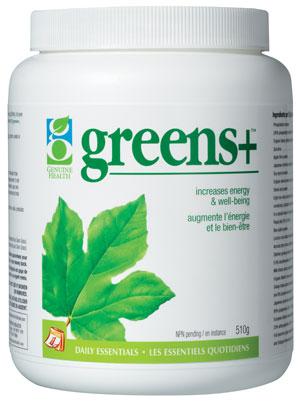
Everything You Need To Know About Greens Supplement


Greens supplements are one of the fastest-growing supplement categories on the market. Who wouldn't want a day's worth of fruits and veggies in a convenient pill or powder? It is a fact that greens supplements allow you to consume a concentrated version of several fruits, vegetables, and herbs, but their purpose and effectiveness in a hard-training, clean-eating diet are often accompanied by fictional claims.

If used correctly, greens supplements can aid your dietary health but, if used incorrectly, they can potentially sabotage insulin sensitivity and future muscle growth. Green doesn't always mean good. Before you surge through the green light, let's go behind the scenes and separate fact from fiction when it comes to everything green.

1. GREENS CAN REPLACE YOUR MULTI: FICTION


Why eat four daily servings of veggies when you can just pop a few pills to get the same nutritional benefits? Well, because you can't. Greens supplements might be full of concentrated fruits and vegetables, but most companies don't formulate their products to meet essential vitamin and mineral levels. This is especially true for hard-training lifters, who require an increased intake of minerals like zinc and magnesium.

Unless your greens supplement lists out all the vitamins and minerals it contains in their total amounts—or at least in percentages relative to the recommended daily value—don't look for them to become your new daily multi.

2. GREENS MIGHT RESTORE YOUR PH BALANCE

The human body likes to maintain homeostasis. Your acid-base balance, or pH balance, is no different. What you eat may influence the body's pH. This is where green supplements can be beneficial. Grains, dairy, and protein are acidic, while green leafy vegetables are alkaline, or basic. Greens supplements are alkaline, and one of their main benefits is their ability to improve your body's acid-base balance.

Some people design entire diets solely around optimizing pH. This seems a little extreme—and is based on fluctuating research—but there is some logic behind it. An unbalanced pH may lead to decreased bone health, excessive cortisol, and slightly impaired thyroid function. So eating more alkaline foods, like fruits and vegetables, isn't a bad idea from a pH perspective.

Since greens supplements are vegetable powerhouses, it's been proposed that they're a good way to optimize your body's pH. They might actually work that way. A study published in the "Journal of the International Society of Sports Nutrition" found that two weeks of daily supplementation with greens led to significant improvements in urinary pH, moving subjects from an acidic pH to one considered optimal. The results from this pilot-type study suggest that a daily greens supplement may improve an acid-base balance that is out of the optimal range.


3. ALL GREENS ARE CREATED EQUAL
It's important to look for ingredients you can quantify in a greens product. You wouldn't use a creatine supplement without knowing how much creatine was in it, right? While the dose-to-effect relationship with greens supplements isn't as clearly defined as creatine, it's still important to be as informed as possible. If a greens supplement advertises that it has green tea extract, it would be good to know how much green tea extract the product contains. Don't take everything at face value. The company might just be sprinkling in enough of the supplement to say that it's there instead of adding the amount necessary for you to experience a quantifiable effect.
4. GREENS SUPPLEMENT TIMING DOESN'T MATTER

This is one case where timing does matter—sort of. As long as you don't take a greens supplement immediately post-workout, you can take it any time.

Exercise is a physiologically disruptive process. It promotes inflammation and oxidation. At first glance this would seem like the perfect time to take a supplement loaded with anti-oxidants ... but it isn't. Training is all about recovery and adaption. The inflammation and oxidation that occur as a result of hard training are part of the natural process your body undergoes to create lasting change. Research shows that dosing your body with high amounts of antioxidants post-workout can put the brakes on your capacity to build muscle.


How? Intense exercise leads to the production of compounds called reactive oxygen species (ROS). In other areas of healthcare, those are considered bad. When you hear people talk about oxidative stress, that's ROS at work. However, with intense exercise, ROS may promote the growth of muscle by enhancing the activity of cells in your muscles that are responsible for rebuilding and repairing muscle tissue.

Increased insulin sensitivity is one of the biggest benefits of exercise, but supplementing with antioxidants after exercise can also decrease insulin sensitivity. This means potential gains may go down the drain. To avoid this, don't take your greens supplement within three hours of training.

5. GREENS OVERRIDE THE NEED FOR WHOLE FRUITS AND
VEGETABLES

Greens supplements are not a replacement for eating fruits and vegetables and, if you're already eating 10 or more servings of fruits and vegetables per day, they're probably unnecessary. The additional antioxidants, phytochemicals, vitamins, and minerals won't provide much more of a benefit compared to the fruits and vegetables you're currently eating. However, if you eat a low-carbohydrate diet or a small amount of fruits and veggies, then a greens supplement can be a beneficial addition to your supplement regimen.


We especially recommend greens supplements to clients when they travel. Even if you try your best, eating on the road is never as clean as eating at home. The major deficient generally comes in the limited amounts of fruits and vegetables you have access to. Traveling is also stressful on your system, and the added antioxidant power in a greens supplement is a welcomed ally.

Friday, May 1, 2015

Naturally Detox Your Body With These Six Power Foods


There are all kinds of intense detoxification protocols out there that can help cleanse the colon, blood, liver, and other bodily organs and systems of toxic materials. But sometimes the easiest and most effective way to keep your body maintained and in check is to simply incorporate more cleansing foods into your everyday diet. Here are six "power" foods with known detox benefits that may help you and your family steer clear of chronic pain, disease, and other toxin-induced health conditions:

1) Garlic. This simple bulb is prized in the culinary world for its pungent and robust flavor, but it is also one of the most powerful detox foods you can eat. Most notably, garlic supports the healthy production of digestive enzymes in the liver, and is a key component in the body's manufacturing of glutathione, a nutrient that Dr. Mark Hyman, M.D., refers to as "the mother of all antioxidants." Garlic also aids in the production of various sulfur compounds and bio-active selenium, two more nutrients that are critical in the detoxification process.
Garlic is also one of the most effective, broad-spectrum antimicrobial foods known to man, possessing 39 unique anti-fungal, antibacterial, anti-parasitic, and antiviral agents, according to Dr. Mark McClure, D.D.S. Regularly eating fresh or encapsulated garlic can help remediate the damage caused by poor diet, environmental pollution, food toxins, pharmaceutical drugs, stress, radiation, aging, and other sources of toxic inputs.

2) Leafy greens. This "superfood" category shows up often on lists of health-promoting foods, and for good reason. Leafy greens like kale, spinach, alfalfa, wheatgrass, and chard are loaded with chlorophyll, a powerful cleansing nutrient that is sometimes referred to as "nature's green magic." The lifeblood of the green plant world, chlorophyll is a natural blood-builder and cleansing agent, and is known to help scrub clean cell structures throughout the body and promote new cell life. Chlorophyll also halts the growth and development of toxic bacteria inside the body, and is generally known to counteract toxins.

3) Citrus fruits. Starting your day off right with fresh-squeezed lemons, limes, oranges, or grapefruit -- or all of the above -- is another effective way to regularly detoxify your body. Besides priming the digestive tract for food and spurring the production of digestive enzymes, citrus fruits are also particularly rich in vitamin C, which is recognized as one of the most powerful detoxifying vitamins in the natural world.

According to the Vitamin C Foundation, vitamin C taken in therapeutic doses can help counteract the toxic damage caused by non-steroidal, anti-inflammatory drugs (NSAIDs) and other pharmaceuticals in the liver. Vitamin C also helps rid the body of mercury, cadmium, and other heavy metals, as well as aluminum and other toxins. Other excellent natural sources of high-dose vitamin C include camu camu berries and acerola cherries.

4) Raw vegetables. Broccoli, onions, cabbage, kale, Brussels sprouts, asparagus, artichokes, carrots, cauliflower, beets, turmeric, and oregano -- these and many other vegetables and herbs work synergistically with one another to cleanse the body and prevent a buildup of toxins. Like garlic, each of these foods is rich in naturally-occurring sulfur compounds, which the liver needs to effectively eliminate toxins and promote cell growth, as well as detoxifying glutathione.

Since eating large quantities of raw vegetables every day may be difficult for some people, juicing them is one great way to maintain a high input. Carrots and beets tend to add sweetness to any juice blend, while cabbage has more of a neutral flavor. With the more spicy and flavorful vegetables like onions and oregano, adding more of these to salads and other fresh foods is a great way to boost intake.

5) Chia, hemp seeds. Rich in omega-3 fatty acids, both chia and hemp seeds are excellent intestinal cleansers. According to Dr. Edward Group III from the Global Healing Center, omega-3 rich seeds and oils in general help lubricate the intestinal walls and draw out toxins in order to eliminate them from the body. Chia seeds are particularly effective in this regard, as they swell and form a gel-like coating when soaked, which elicits a powerful detoxification effect in the gut.

6) Sea vegetables, algae. Recognized for their powerful alkalizing effect on the body, sea vegetables, seaweeds, and certain sea algae varieties like spirulina and chlorella are also amazing detoxifiers, as they literally suck up toxins in the digestive tract like a vacuum, and expunge them from the body. Sea vegetables and algae are also rich in trace minerals and other nutrients, which fortify the body's own natural detoxifying systems. Just be sure when sourcing sea vegetables and algae to choose suppliers that have not been affected by the Fukushima disaster in Japan, and that regularly test their products for harmful radiation.

Tuesday, April 21, 2015

The 3 Secrets to Losing Belly Fat


As a health and wellness coach, the number-one question that everybody asks isn't, "How do I live longer?" or "What can I do for more energy?" It's almost always, "How do I lose this tummy?" In a world where we're bombarded by ads promoting four-, six- and eight-packs, it's no wonder we're obsessed with abs.

While having tight and toned abs is partly genetic, the great news is that there are a number of things that you can do today to firm, slim and define your midsection for good.

1. Drink Green Tea: 

Green tea has been shown to boost the immune system and fight cancer-causing cells in our body, but it also works very well to assist in the burning of excess weight and body fat. The epigallocatechin gallate component in green tea acts as a thermogenic, meaning that it stimulates the fat-burning process. You'd need to drink at least seven cups of green tea per day to get the effects of two to three capsules of a green-tea supplement, so I suggest taking them in the morning to avoid caffeine stimulation later in the day or choose a decaffeinated version.

2. Interval Cardio: 

The good news is that long cardio sessions are over and interval cardio is taking its place. Interval training involves sprinting or pushing the body into an anaerobic state in short bursts of exertion for 20 to 30 seconds with rest periods in between.

When doing interval cardio, there's less oxygen available to the muscles and the body will more quickly fatigue. A 20-minute session of interval cardiovascular exercise just three days per week stimulates the fat stores in our body and works to burn excess weight.
On either the elliptical machine or recumbent bike, do a three-minute warm-up. Increase resistance and sprint for 30 seconds, then reduce resistance again and perform a 90-second cool-down. Do this eight times followed by a two-minute cool-down at the end for a total of 19.5 minutes just three days per week. That's it.

3. Eat More Fat: 

This seems completely contrary to logic, but the latest research shows that by consuming more healthy unsaturated fats, such as coconut, avocado, olive oil, fish, nuts and seeds, not only do we feel satiated longer, but our systems also gets busy stimulating the fat-burning process within our bodies.

Studies have found that those who ate foods higher in healthy fats, such as those found in the Mediterranean diet, had a lower body-mass index. This means less body fat and a leaner frame than those who ate a low-fat diet. They also lost excess weight more easily.

We all want to look and feel our best, and getting there just takes some consistent effort. By following these simple steps and committing to them for a minimum of three months, you are well on your way to a slimmer, tighter and more toned belly -- just in time for summer!

Monday, April 20, 2015

The Vitamins You Should or Shouldn't Be Taking


In the early 1900s, Americans consumed all of their nutrients by eating food. In 2007, vitamin supplement sales topped $23.7 billion in the United States, according to the American Dietetic Association. But consuming more vitamins does not necessarily add up to improved health. How do you know what vitamins you need to take, if any, and what amount is appropriate?

Find Out What You're Missing

After moving from Florida to New York and starting a night job, Heidi Smith felt like she was always running on empty. "For years I thought I was just a grumpy, low-energy person," Smith explained. "I wish I'd known sooner that I just lacked vitamin D."

Working at night limited her exposure to the UV rays that help the body synthesize vitamin D. "Plus," she admitted, "I was eating pretty badly." When therapy and antidepressants failed to do the trick, she visited her physician, who tested her vitamin D levels and discovered a severe deficiency -- one that dietary changes alone would not rectify. Since being treated for a vitamin D deficiency, Smith has seen huge improvements in her energy level, "as though a cloud has been lifted," she said.

Most health-care practitioners agree that whole, natural foods remain the optimum source of nutrients. If your diet is lousy or your body's ability to absorb vitamins is compromised, however, you may require supplements. Registered dietitian Lauren Schmitt recommends that populations at risk for not meeting their nutrient needs, such as elderly adults, pregnant women and children, consider a basic multi-vitamin supplement. Women who experience heavy menstrual bleeding, strict vegans and vegetarians, and anyone who consumes fewer than 1,600 calories daily or can't stick to a balanced diet may also require supplements.

Various medical conditions, such as chronic digestive diseases and food intolerances, also create a need for vitamin supplements. Though numerous natural health-care practitioners use blood tests that supposedly check your nutrient levels, the tests lack scientific validity. If your doctor suspects a vitamin deficiency, he will likely run standard health tests, such as checking your blood cell counts, glucose levels, electrolytes and organ function. He will also ask you questions about your diet and lifestyle. In other words, vitamin deficiencies are diagnosed based on the symptoms they present and confirmed by your doctor's assessment of your overall health and dietary habits.

Common Deficiencies

Though people's specific dietary needs vary, certain nutrients are commonly lacking in the typical American diet.

Even if you consume a relatively healthy diet, you may be missing particular nutrients. The vitamin supplement most people should consider taking is vitamin D, according to Luigi Gratton, clinical nutrition specialist at the UCLA Risk Factor Obesity Program—the nutrient that had such a powerful impact on Smith's life. “Most folks in North America are deficient,” Gratton explains. The U.S. Institute of Medicine of the National Academy of Sciences recommends 5 micrograms of Vitamin D daily for those under 50.

Vitamin D is essential for proper calcium absorption and healthy bones. It also enhances your immune system and, for severely deficient people like Smith, your moods. If you rarely spend time outside and do not consume vitamin D-fortified dairy products, fish and other seafood regularly, discuss your need for vitamin D supplementation with your doctor.

Deficiencies of other vitamins are uncommon in people who live in the United States. If you consume a strict vegetarian or vegan diet, or suffer from the autoimmune disorder known as pernicious anemia, you may lack vitamin B12. The nutrient is found mainly in animal-derived foods and plays a major role in brain function, blood cell production and fatigue prevention. If you have a disorder that causes nutrient malabsorption, such as celiac disease or Crohn's disease, you may have difficulty absorbing all nutrients, particularly if you fail to manage your disorder appropriately.

The American Dietetic Association recommends consuming more of the B vitamin folate -- or the synthetic form, folic acid -- if you are pregnant, nursing or may become pregnant. Prenatal vitamins generally contain sufficient amounts of folate, as do whole grains.

Mega Bad

Daily Dose: The Vitamins You Should or Shouldn't Be Taking


Consuming plentiful amounts of nutrients from food sources rarely causes problems. Excessive intake of most any vitamin supplement, however, can lead to a broad range of side effects, some of which are serious.

Vitamin supplements have been linked to nausea, diarrhea, stomach cramping, reduced cognitive abilities, interactions with medications and even death. For example, taking excessive doses of vitamin A in supplement form causes hypervitaminosis A -- a condition characterized by liver abnormalities, reduced bone density and birth defects. Excessive intake of vitamin B12, though not associated with toxic effects, can interact with medications, such as certain antibiotics and diabetes medications. Schmitt also describes taking unnecessary supplements as “not good use of your hard-earned money.”

To prevent unwanted side effects, avoid vitamin supplements that contain mega amounts -- more than 100 percent of the recommended daily allowance -- of particular nutrients and those that promise miraculous benefits. By law, the standard RDA is always listed on product packaging. Find that fine print and read it before taking any new supplement.

The Health Benefits of Dietary Supplements


While a healthy balanced diet often provides a source of vitamins and minerals, taking dietary supplements on top of your healthy diet may prove beneficial in ensuring your body may be the nutrients it needs each day. Dietary supplements, which are not regulated by the Food and Drug Administration, are marketed as a solution or preventative measure for a number of disorders, or to supplement nutrients lacking in your diet. To safely reap the benefits of taking dietary supplements, always consult with a physician before taking any supplement to help avoid negative side effects.

Proper Metabolism

After a meal, your body breaks down the carbohydrates, proteins and fats from your meal, and also absorbs the other nutrients in the meal. Absorbing these nutrients partially relies on a number of vitamins -- the B-class vitamins -- that you must consume each day. Supplementing your diet with B vitamins can help prevent the numerous effects of vitamin deficiencies, including skin disorders, joint pain, nerve damage and anemia, according to Colorado State University.

Promotes Tissue Maintenance and Repair

Consuming dietary supplements may also aid in tissue maintenance and repair, processes that occur throughout your life. Your day to day activities put a strain on your tissues, and specialized cells within your body continually produce proteins that make up healthy new tissue to replace old, damaged tissue. Defects in tissue repair and maintenance lead to diseases, such as osteoporosis, that develop from bone wasting that commonly occurs as you age. You can help promote proper tissue growth and bone strength by taking calcium and vitamin

Prevents Disease

The consumption of some dietary supplements may also help prevent cancer. A number of essential vitamins, including vitamins A, C and E, act as antioxidants in the body. They work to neutralize chemicals called free radicals that cause oxidative damage within your cells. The National Cancer Institute explains that oxidative damage to your cells promotes cancer development. While studies on the effect of antioxidant supplements in preventing cancer in humans have proved inconsistent so far, consuming moderate amounts of antioxidant vitamin supplements may prove beneficial to your health.

Friday, April 17, 2015

Why We're Always Hungry


We're a country of people who never stop eating. The freedom to eat anytime and anywhere is convenient, but it also means you may be mindlessly inhaling hundreds of extra calories without even realizing it.

With so much food constantly in our face, it's no wonder that many of us are grazing all day long. Americans eat an average of 570 calories more per day than they did in the 1970s, largely due to constant eating, according to research from the University of North Carolina at Chapel Hill. "People have snacks with them at all times -- in their car, at their desk, in their purse," says study coauthor Barry Popkin, PhD. "We don't even know what hunger feels like anymore."

The health consequences aren't pretty. Think about it: Every time you load up on empty-calorie snacks, it means you're not eating foods that provide vital nutrients to give you energy (complex carbs), help you feel full (protein, fiber), and help prevent disease (a whole range of vitamins and minerals). Chronic snacking can also make it harder to lose weight.


The Psychology of Mindless Eating

Snacking isn't inherently bad; the problem is that we're not doing it right. "If people were reaching for real food with fiber, it would fill them up," Popkin points out. Instead, we tend to munch on sweet, high-carb snacks -- some of which contain nearly as many calories as a meal. These foods throw off your hunger cues big time, since they give you a quick sugar rush, then make you crash a short time later. The result? You crave another hit of the sweet stuff to feel better, and the cycle repeats itself.

The fact that snacks are available everywhere doesn't help either, because now it's socially acceptable to eat no matter where you are: walking down the street, waiting in line at the post office, during meetings, on planes, trains, and automobiles. This is mindless eating at its sneakiest. "It's a combination of a lack of awareness and environmental triggers," says Michelle May, MD, the author of Eat What You Love, Love What You Eat: How to Break Your Eat-Repent-Repeat Cycle. "The car wash is boring. There's a rack of candy bars -- suddenly, there's something enjoyable to do!"

These food-place associations are what Cornell University eating behavior expert Brian Wansink, PhD, calls "mindless eating scripts" -- those moments throughout the day when we eat out of habit, not hunger. "The most common one is eating on the way to work or on the way home," Wansink explains. "These scripts get reinforced by repetition."

Maybe your script is a doughnut on the way to work or a pack of cookies on the way home -- fillers between real meals that don't fill you up but will make you fat. And there's no denying that these foods can make you feel good. "We're wired neurologically to crave food that's high in fat, salt, and sugar," explains David Kessler, MD, author of The End of Overeating. "Snacks like ice cream and potato chips taste good but they also activate the pleasure centers in our brains."

Sometimes that blissful feeling becomes connected to a happy memory, says Dr. Kessler, which may give a particular food a powerful emotional appeal. That explains my relationship with soft-serve ice cream: Yes, it's delicious, but it also reminds me of those special days with my mom.

People also connect snacks to specific places where they simply have to have that food. Some associations are the result of conditioning -- think popcorn at the movies and hot dogs at a baseball game -- while others develop seemingly out of nowhere. I polled my friends and family, who sheepishly admitted their own strange links between a particular snack and place. Lavetta buys Twizzlers whenever she goes to FedEx. "It gives me something to do while I'm waiting in line," she says. My sister Amanda gets a pack of cupcakes at gas stations. And Diane always picks up a bag of cheese-filled pretzels at airports. "I have to fly a lot for work and I won't get on the plane without them," she says. "It's a habit I've had for years -- and I have no idea how it even started."

Afraid to Be Hungry

The first step toward breaking the cycle of mindless eating is to ask yourself, Am I really hungry right now? Because chances are, you're not. "Our bodies are designed to exist among scarcity, but we're constantly surrounded by food," says Dr. May. "As a result, we've learned to ignore what it means to feel full. We're choosing food for pleasure but then not eating in a way that gives us pleasure -- walking down the hallway or scarfing it down in the car."

I've certainly experienced this phenomenon, which happens a lot now that I have a 17-month-old daughter, Bella. Like most new moms, I'm busy and tired all the time so I'm putting less thought into what, where, and when I eat. I find myself grabbing a muffin (my second breakfast) at the shop conveniently located next to the subway on the way to appointments in the city. I crave a sweet snack around 4:00 in the afternoon as well -- not necessarily because I'm hungry but because it's soothing. And for the five minutes it takes to inhale a double-fudge brownie on my walk home to relieve the babysitter, I do feel better. But just a short time later I'm my old exhausted self again.

Since our impulses and cravings are so often unconscious, the step toward changing them is to make them conscious. "If you look at a bag of chips and see that it's filled with fat and salt, and then think, 'That isn't going to sustain me,' you can change how you value those chips," says Dr. Kessler. When Dr. May has a craving for a cookie or candy bar, she thinks about whether an apple would satisfy her instead. "If I'm really hungry, it will," she says. But sometimes, she ends up deciding that she does want the cookie -- and that's okay, too.

Positive Emotions Can Strengthen Your Immune System


The wonders of the world can be just as good for your health as they are for your enjoyment, suggests a UC Berkley study.

Researchers have linked positive emotions—awe, contentment, spirituality—with lower levels of pro-inflammatory cytokines, proteins that signal your immune system to work harder and bolster good health.

In two separate experiments, more than 200 young adults were asked to log the extent to which they experienced amusement, awe, compassion, joy, love, and pride on a given day. Samples of gum and cheek tissue taken that same day showed that those who experienced more of these positive emotions had the lowest levels of the cytokine Interleukin 6, a marker of inflammation that can cause autoimmune disease and depression.

“That awe, wonder and beauty promote healthier levels of cytokines suggests that the things we do to experience these emotions—a walk in nature, losing oneself in music, beholding art—has a direct influence upon health and life expectancy,” says UC Berkeley psychologist Dacher Keltner, a co-author of the study.

An added emphasis on spirituality and mindfulness may just be enough to get you through this winter happy and healthy.

Thursday, April 16, 2015

HOW TO LIVE TO BE 100


We’ll let you in on a little secret: Being an old geezer is great. Age wins you respect, a license to run your mouth, steep discounts at your neighborhood movies, and plenty of time to pile on the memories.

But you have to earn the decades; unfortunately, whoopie pies, annoying in-laws, and chronic disease stand in your way. Take your cane and knock death back a few years. We’ve compiled the latest mortality research to help you earn your walker.

Get your ass off the couch

Even if it’s for just 20 minutes. A new study from Cambridge University analyzed the activity habits of more than 334,000 participants and found that people who burned just 90–110 calories—roughly the equivalent of a brisk 20-minute walk—every day reduced their risk of early death by as much as 16–30%.

Fall in love with a health nut

Finding a healthy partner could actually save your life. University College London researchers studied 3,722 couples and found that 67% of men became more physically active if their partner was, and 48% quit smoking once their partner had. You know the saying: healthy wife, healthy life (or something like that).

Take some lessons from the world’s 100-year-olds

Travel journalist Dan Buettner has spent more than a decade studying what he’s dubbed “international blue zones”—tiny areas of the world that have outsize populations of centenarians. His book, The Blue Zones Solution, out this month, offers valuable lifestyle tips from the planet’s elders. Some of the best include: Stop eating when your stomach’s 80% full, drink one to two glasses of alcohol a day (but not more), and eat more plants.

If all else fails...cut off your balls

Not really. But, hey, it would work: A 1969 study from the Journal of Gerontology found that castrated men lived more than 13 years longer than their intact brethren—and, in the process, unintentionally created the best “would you rather” question of all time.

Wednesday, April 15, 2015

Is Water Intake Important For Skin Health and Beauty?


We all know the rules for beautiful, clear skin. Apply plenty of sunblock. Cleanse well. Get plenty of sleep and drink your 8 glasses of water per day. But how essential is drinking plenty of water for beautiful skin?

Water's importance in maintaining proper health is indisputable. 70% of the body is made up of water, and it is a vital component of any healthy diet. So many of the body's functions require water: it keeps your bowels regular, flushes toxins from your body and energizes your muscles.


True or false: drinking plenty of water helps your skin to glowThere is, however, surprisingly little evidence of the ability of water to improve the condition and appearance of the skin. After water is ingested, it has to be absorbed by the digestive system, then filtered through the kidneys and then diverted to all the internal organs before it reaches skin cells, meaning that most of it will be eliminated before it ever reaches the dermis.

There is also no evidence that drinking more water allows the body to retain more moisture, in the skin or in any other part of the body. A dehydrated person will have drier, scaly skin, but if you are properly hydrated there is no evidence that drinking extra water can 'plump up the skin' or give it a glow.

In a test done by Dr. Mehmet Oz for his popular TV show, Dr. Oz, he compared the skin conditions of a pair of twins, one of whom drank no water for a week, but took in water only through food. At the end of the week, there was no difference in the condition of the skin of both girls. A study done by the British Nutrition Foundation also concluded that there currently appears to be very little scientific evidence relating to the effects of water consumption on skin hydration, and whether drinking more or less water actually has any impact on skin appearance. Researcher Heather Yuregir said: "Drinking water for the sake of drinking water really has no effect on improving the appearance of skin."
“Humans aren’t like plants. Our skin doesn’t perk up when we consume water,” concurs Katie Rodan, a dermatologist in the San Francisco Bay area and a coauthor of Write Your Skin a Prescription for Change.


So how can we keep skin hydrated?

Your skin type, whether it’s dry, oily, or a veritable combo platter, is largely determined by your genes. That natural moisture level then fluctuates depending on what your skin’s protective lipid barrier is exposed to. This lipid layer helps keep moisture in and germs and irritants out. (That’s why dry skin can become red and itchy.)Most of the appearance of the skin is in the outermost layer of the epidermis. If this topmost layer doesn't contain enough water, skin will lose elasticity and feel rough.


Some ways to improve hydration in this layer include minimizing exposure to dehydrating elements such as low humidity, harsh winds, dry heat, high altitude, sun and air-conditioners. Skin cleansers and products that strip the skin of natural oils, or contain alcohol can also be very harsh on the skin.
Eating foods rich in Vitamins A, B, C and E, contained in a range of fruit and vegetables, help keep the skin elastic, protect it from age-related damage and help with the growth of new skin. Foods rich in the essential fatty acids found in walnuts, flaxseed, salmon, and olive oil can also help skin cells stay hydrated. If you have very dry skin or eczema, consider flaxseed oil, evening primrose oil, or borage-oil supplements. All are good sources of alpha or gamma linolenic fatty acids. A study by the Institute of Experimental Dermatology, in Germany, showed flaxseed or borage oil supplements can help increase skin moisture and reduce roughness.


A good moisturizer is also a good first defense against drying skin. Key ingredients to look for include stearic acid and emollient ceramides. Don't forget to protect your skin from the drying and aging effects of the sun with a good high-SPF sunscreen.

Tuesday, April 14, 2015

Are You Struggling To Control Your Diet?


So many people across the world struggle with making the best decisions regarding their diets. Although they are the people that often need to pay the most attention to their diets, people with chronic conditions such as renal failurecontrolling your diet, diabetes, and hypertension often have the hardest time with their struggle to eat healthy. Some of this stems from simply being stressed out by the restrictive nature of many diets to control these chronic conditions. Others simply do not know how to build and stick to an effective meal plan.

Talk To Your Doctor

Have a discussion with your physician or nutritionist about what foods you both can eat and should stay away from. Often, your doctor may have a list that you can keep to help you cut down on the guess work involved. It is a good idea to take notes during your conversation, and remember to focus not only on what you cannot eat, but also what you can and should eat. It is always best to start with your doctor because your situation may differ than other people, and depending on what stage of your disease you are in, you may have more or less restrictions.

Remember Your End Goal

That is: You want to feel good and live a long and healthy life. You might be surprised by how much your diet impacts your entire life and well-being. You cannot just rely on medications to make you better, you have to make changes for yourself as well. Every bite of food that you put into your mouth gets broken down, processed by your kidneys, and the byproducts are filtered through your entire body. Controlling your diet can not only help you feel better, but it could help you slow or even stop the progression of many chronic illnesses, including chronic kidney disease. You have the potential to effectively stop the progression of your disease and never reach end stage kidney disease if you take care of yourself properly.

Plan Effectively

A successful diet almost always comes down to effective meal planning. Planning out your meals and executing it in an organized fashion can help you stick to a healthier diet almost 100% of the time. Of course, everything depends on you, but you can benefit from a meal plan so much. Meal planning helps you know what you are going to eat ahead of time, purchase all of the necessary ingredients, do prep work ahead of time, and be ready for each and every meal. It takes the guess work out of the ubiquitous questions like “what’s for dinner?” and “what can I eat tonight?”. It starts with researching great recipes that fit into your diet plan, mapping out what meals you plan to eat and snacks, shopping according to your ingredients list, and follow through. After all the work you put into your meal plan, you are always more likely to follow through.

Controlling your diet, especially with chronic conditions like kidney disease, diabetes, hypertension, and more, is an important part of living the best and longest healthy life. Not only could it keep you around longer, but your comfort and quality of life are severely impacted by your diet. Following these tips for getting your diet under control will help you get on the road to healt. 

5 Things need to know Before Started Running


There are countless benefits you’ll encounter when you start running including feel stronger and more empowered. But the miles aren’t easy and there are countless hurdles you’ll come across, yet you keep going. From selecting the right sneakers to dealing with aches and pains, one woman shares her top five tips she wished she’d known before she picked up her new habit. So you can have comfier, strong miles…now.
When I first got into running, I experienced everything from painful blisters to chafing to unsupported bosoms—no wonder I hated it. I wish someone had sat me down and told me these basic tips and tricks to help smooth my transition from non-runner to runner. If you’re just starting out on your own journey pounding the pavement or treadmill belt, here are things you should know about running.

It Gets Easier
As with most things, the more you do it, the easier it becomes. To strengthen your muscles, acclimate your heart and lungs, and increase your endurance, run at least three times a week. Start off with a doable distance such as two miles. Once that distance feels good, gradually increase your mileage. The key is to move at a comfortable pace for a reasonable amount of time. If you do too much too soon, you could end up with an injury or a deep hatred for the sport.


You Don’t Have to Wear Two Sports Bras

If you’re well-endowed, running can be painful. I wore two sports bras for the longest time because I couldn’t find one that prevented the uncomfortable bounce. A cheap cotton sports bra just won’t do. You might have to spend $50 or more, but it’s worth it when you only have to wear one bra you trust.

Don’t Skimp on Gear

For my first run, I picked up a $25 pair of sneaks and a pack of cheap cotton socks and wondered why I had screaming blisters. You don’t need a ton of gear, but what you do need, you shouldn’t skimp on. Spring for a trusty pair of well-fitting sneaks ($60-$120), a good pair of wicking socks ($10-$15), a super supportive sports bra ($30-$70), a seamless tank to prevent chafing ($20-$40), and a lightweight pair of running shorts to avoid wedgies ($20-$40). Technical gear specifically designed for running makes a huge difference and could make or break your new running career.

There Are Apps to Chart Your Run

I often drove running routes in my car to figure out mileage until my hubby introduced me to the wonderful world of iPhone running apps. The GPS not only keeps track of your distance, but it’ll also chart your workout time, pace, calories burned, and elevation and give you a map of your run. Being able to track your workout might motivate you to keep going so you can beat your personal records.

Running Outside Is Harder Than the Treadmill

My power was out one morning—meaning no treadmill time for me—so I decided to run outside instead. It was so much harder! The real hills, the uneven terrain, the wind, the sun, the heat—it all makes running tougher than it already is. But I’ll tell you, once I started running outside, I saw a huge improvement in my strength and endurance. I even lost the five extra pounds I could never quite shake, and my muscle definition was noticeable to others (“Damn, look at your calves!”). I know people are in love with their treadmills, but I wish someone suggested I run outside because the difficulty made me a better runner.

Sunday, April 12, 2015

Easy ways to incorporate exercise into your daily routine


The key to bringing exercise into your daily life (especially if you’re not doing any at the moment) is to start small and build it up over time. In this way you will little by little incorporate into your lifestyle, and over time it will become habitual and you will come to miss it if you don’t do it.

As a species we have become very sedentary – in the western world at least – with many of us sitting at a computer all day, some of us even eating our lunch at our desks and only moving to go to the toilet. We are also often very stressed and tense, which may result in high cortisol levels with no outlet to release the stress, which can add to fat around the middle.

For thousands of years we moved a great deal on a daily basis, especially to hunt and gather food. We moved location following the seasons and in order to access available resources. As we developed farming methods and became more industrialised we moved less still. And now modern technology means that many of us are hardly moving at all, in comparison to how we were ‘designed’ to move. As a result of our lack of movement, people’s health is suffering, our fitness is reduced, stress isn’t being released and diabetes is on the rise as are the other ‘western lifestyle diseases’ such as cardiovascular disease and cancer.

So the bottom line is we all need to move more! Walking the dog on a daily basis isn’t enough, as unfortunately if you do something regularly, your body gets used to it. We need to raise our heart rates for an extended period of time, ideally on a daily basis. And it’s very beneficial to vary what you do.

There are many ways you can incorporate exercise into your daily lifestyle. The following are some ideas to try:

* As you wake in the morning and are lying in bed spend 5 minutes stretching your body.

* Keep a yoga mat or towel handy in the bedroom or lounge room and on rising spend 5-10 mins stretching you could try practice 5 ‘salutations to the sun’, if you are able and this is something you would like to try, which is a yoga asana that will stretch and activate your body. This can be done at any time of day, when you have a free 5-10 minutes.

* As you’re waiting for the kettle to boil, or eggs to cook, do some squats, as many as you can fit in while you wait. If you’ve never done this before start with 5 per day and build up gradually. Use any opportunity you can throughout the day to do squats. This will engage your core muscles and many other muscle groups in the body and is a fabulous way to exercise and tone your body.

* You can also do squats at work while you’re waiting for something to print, or at the photocopier. The idea is to fill those ‘wasted’ minutes waiting for something with some exercise such as squats. You could also do some stretches.

*Another way to exercise while waiting is isotonic and isometric exercises. Squeeze and tighten all of your muscles in your arms, your stomach, your bottom, thighs and calves, and hold for as long as you can. This forces glucose into the muscle cells regardless of insulin. Repeat this as often as you can. For some great examples of exercises to build into your daily routine see this helpful book

* Consider walking, running or cycling to and/or from work, even if it’s only part of the way. This will increase your cardiovascular health, endurance, stamina and overall fitness. Even making changes in a small way can make a positive difference to health and wellbeing. An example would be walking to the train station rather than catching a bus. Sometimes due to peak hour traffic, you may get there in the same time or even quicker than the bus.

* Invest in a mini trampoline/rebounder which is a small piece of equipment that is relatively inexpensive. Start with 5 minutes of ‘bouncing’ per day and build up over time to 10-20 minutes. This is something easy to do indoors or outside. Rebound inside or outside, while watching TV or listening to music. This is fabulous for your lymphatic system, getting potentially stagnant lymph moving!

* Go for a power walk or run during your lunch break. Make sure you follow it with a good lunch full of protein and some good quality carbohydrates, so as to ‘feed’ your muscles after exercise.

*You’ve heard it before – take the stairs rather than the lift. If you can run up or down them rather than walk, then do so! The more flights the better. If you’re sitting at a desk all day, working at a computer, any movement you can do will be beneficial on many levels.

* Invest in a ‘kettle bell’ and a DVD instructing how to use it. Buy the smallest weight initially and start with 10 minutes, slowly increasing over time. These are powerful exercises when done correctly!

* Buy some dumbbells and keep them at work under your desk. If possible do some arm and leg exercises whilst at your desk.

*Vary your exercise to keep it interesting! Plan a long walk in a park or the country or in an unexplored area on your day off or on the weekend. Walking in nature can have a wonderfully relaxing and calming effect, and if you’re away from a big city the added bonus of cleaner, unpolluted air! You will be sure to feel invigorated afterwards.

* Consider joining a walking group. There are many groups around, and they organise regular walks to a wide range of areas, offering different levels of fitness and lengths.

* Invest in a bike and explore your local parks with a relaxing bike ride. Take a train or drive out to the country and bring your bike. Go with family, friends or even join a cycling club.

* If you have children, this is a perfect way to exercise regularly and in a varied way. It’s also very easy to raise your cardiovascular rate chasing children around which is ideal to help promote fitness and fat burning. Play football, chase them around and play ‘tag’, have running races – make up games that incorporate movement and exercise.

* Now is the weather to start swimming! Again if you’re new to it, start slowly and build up as your endurance increases. Swimming is an excellent exercise for the whole body and for your cardiovascular system.

* If you love dancing, why not take up a class, even if it’s just once a week! There are SO many options, try different styles until you find something that suits you. There’s Zumba, Salsa, Belly dancing, African dance, 5 Rhythms, Ecstatic Dance, Pole dancing, Ballet and Tap… The list goes on. And dancing isn’t limited to women, men join in – it’s a fabulous way to have fun, increase your fitness and meet new people too.

Remember after any intensive or extensive exercise to cool down and do some stretches so as to avoid injuring yourself.