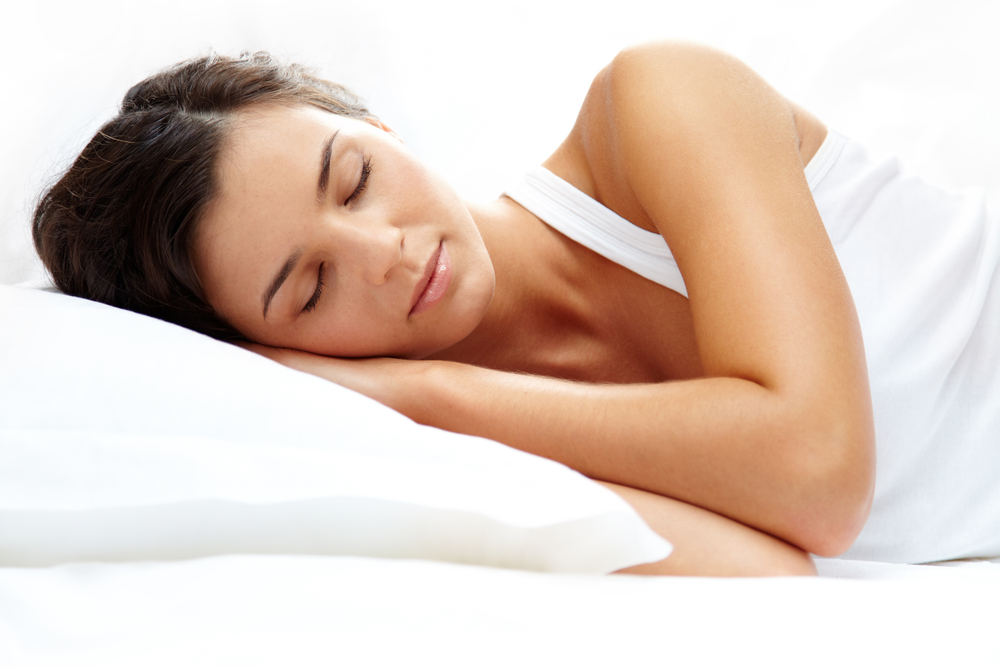
Pressures of a busy and emotionally demanding life can take its toll on our health. This can affect how much energy we have, how we react (our mind and mood) and well we can cope with stresses and strains. For many, ‘good’ sleep is one of the initial areas to be diminished by a demanding life and a good proportion of people will say they rarely experience a good night’s sleep when under personal and professional pressure. For some, there is the time for the potential of 8 hours of slumber but they experience challenges such as: -
- feeling too awake before bedtime
- an over-active mind preventing them from falling asleep,
- trouble staying asleep (waking in the night)
- lack of deep peaceful sleep (sleep feels too light).
Worry can set in long term for those who persistently find the sleep subject a real issue – and this often just compounds the problem further.
Sleeping better lifestyle tips:
Avoid caffeine after 3 or 4pm and avoid sugary foods late in the evening.
Avoid using computers or laptops two hours before bed, as the blue light that they emit disrupts a sleep-inducing hormone called melatonin.
If your mind races with thoughts, write down what is bothering you on a note pad and decide to deal with it the next day (do the same if you wake up in the night). Most problems cannot be fixed while you are lying in bed so you may as well ‘park them’ till the new day.
Invest in black out curtains and use eye masks.
1. Manage the effects of a demanding life on your body
Perhaps surprisingly, what we eat can affect how easily we manage demanding days. Supporting the adrenal glands, which are partly responsible for our energy and stress hormone production, will have a good knock on effect to support better sleep in the evening. Eat plenty of dark green vegetables, nuts and seeds, eggs, beans and lentils, and whole grains for the magnesium.
Tip: take a good dose of a magnesium supplement during the day as well as 2-3 hours before bed
2. Switch off your thoughts and brain
It’s common to find it hard to get to sleep because we can’t wind down from a busy day -particularly if work or other activities took us later into the evening, keeping our mind active and alert and preventing us from feeling tired enough to go to bed. People may choose to drink alcohol in the evening, but this should also be kept to a minimum: although it has sedating effects and can make us feel more relaxed, it also has some stimulating effects, and can deplete nutrients such as the B vitamins that help us to cope with a demanding lifestyle.
Tip: instead of alcohol trying using the traditional herbal medicine – valerian. This is used to aid sleeping by gently sedating and relaxing the body, based on traditional use.
3. Stop worrying
Concerns about keeping life’s spinning plates from dropping (metaphorically) can leave us feeling anxious during the day as well as into bedtime. Many will say they try to get to sleep but they are distracted by worries, which get in the way of feeling relaxed and naturally falling asleep.
Tip: As well as using vitamin B5 in the day time to support the nervous system, we also recommend using the herb – passion flower. Passion flower is for feelings of mild anxiety (so can be used in the daytime) as well as a sleep aid for night time, based on traditional use.
Showing posts with label relax. Show all posts
Friday, May 8, 2015
Wednesday, April 29, 2015
Five ways to actually relax over the holidays
Are you frightened to even look at your calendar this holiday season? Between the jam-packed concerts, the swishy cocktail parties, the harried shopping trips and the stressful visits with family, its downright overwhelming.
If you could use some new rituals, read on. These five expert tips will ease your stress this holiday season and even — dare we say it — even help you relax!
1. Think your time through
“It’s like that old saying — start with the end in mind. What do you want the holidays to look like?” asks Brian Beech, a Newmarket-based clinical social worker. “If you imagine yourself in January, what would you like to be able to look back on that period and remember?” Thinking December through can help bring some clarity to what priorities you have, and what are more negotiable tasks. “Obviously some of those tasks have to get negotiated to some degree with family and whatnot, but I think thinking it through before going into it is so important.”
2. Do a reality check
Have realistic expectations for yourself and others, suggests Louise Veres an Oakville-based life coach. She encourages people to ask themselves, “What can you really manage? How much do you really want to do? And what’s possible, rather than trying to squeeze everything in,” before committing to too many things. “Take a look at your work schedules and what’s going on with family and go from there,” she advises.
3. Take care of yourself
When planning out the month, build in some of your favourite downtime activities — hitting that spin class you love to do, or just going to the movies with a good friend. “Just make sure that it is important because some people really do want to have some time with their family or even just for themselves to go out and do something and make sure that’s part of the plan,” says Veres. “Block off time for that to give yourself a sense of peace and calm.”
4. Set — and stick — to a budget
Where does this fit into managing seasonal stress? “The financial stress can also hit, so it’s important for people to be realistic, says Beech. “You hear so much now about people not taking on more debt and stressing themselves out at a cost,” which is a great step to getting back into the true spirit of the holidays. He advises setting a strict budget and sticking to it no matter what, “It’s so easy to get caught up in ‘more-is-better’, but the amount you spend isn’t equivalent to how you feel.”
5. Make a game plan for stressful events
Tensing up at the thought of visiting your uptight sister-in-law? “Exercise some decision-making beforehand with your partner about things like: how long are we going to be there? Can we have a check in discreetly to see how it’s going?” suggests Beech. “If possible, step away from the party or event or just go out and take a break or breaks. It’s all about feeling like you have choices and exercising those choices.”
Monday, April 27, 2015
Mini-relaxations to ease holiday stress
Deep breathing, meditation, progressive muscle relaxation, and visualization can evoke a state of rest and release. Doing them can slow your heartbeat, calm your breathing, lower your blood pressure, and help you chill out.
You can’t necessarily eliminate the seasonal stressors. But you can counter them using the mini-relaxation exercises described below, adapted from Stress Management, a Special Health Report from Harvard Medical School.
When you’ve got 1 minute
Place your hand just beneath your navel so you can feel the gentle rise and fall of your belly as you breathe. Breathe in slowly. Pause for a count of three. Breathe out. Pause for a count of three. Continue to breathe deeply for one minute, pausing for a count of three after each inhalation and exhalation.
Another one-minute relaxation technique is to sit comfortably and take slow, deep breaths. Each time you breathe in, say to yourself “I am.” As you breathe out, say “At peace.” Repeat this several times. Feel your entire body relax into the support of the chair.
When you’ve got 2 minutes
Count down slowly from 10 to zero. With each number, take one complete breath, inhaling and exhaling. For example, breathe in deeply saying “10” to yourself. Breathe out slowly. On your next breath, say “nine,” and so on. If you feel lightheaded, count down more slowly to space your breaths further apart. When you reach zero, you should feel more relaxed. If not, go through the exercise again.
When you’ve got 3 minutes
Sit down and take a break from whatever you’re doing. Relax your facial muscles and allow your jaw to fall open slightly. Let your shoulders drop. Let your arms fall to your sides. Allow your hands to loosen so that there are spaces between your fingers. Uncross your legs or ankles. Feel your thighs sink into your chair, letting your legs fall comfortably apart. Feel your shins and calves become heavier and your feet grow roots into the floor. Now breathe in slowly and breathe out slowly. Each time you breathe out, relax even more.
When you’ve got 5 minutes
Try self-massage. A combination of strokes works well to relieve muscle tension. Try gentle chops with the edge of your hands or tapping with fingers or cupped palms. Put fingertip pressure on muscle knots. Knead across muscles, and try long, light, gliding strokes. You can apply these strokes to any part of the body that falls easily within your reach. For a short session like this, try focusing on your neck and head.
Start by kneading the muscles at the back of your neck and shoulders. Make a loose fist and drum swiftly up and down the sides and back of your neck. Use your thumbs to work tiny circles around the base of your skull. Slowly massage the rest of your scalp with your fingertips. Then tap your fingers against your scalp, moving from the front to the back and then over the sides.
Massage your face. Make a series of tiny circles with your thumbs or fingertips. Pay particular attention to your temples, forehead, and jaw muscles. Use your middle fingers to massage the bridge of your nose and work outward over your eyebrows to your temples.
When you’ve got 10 minutes
Try imagining yourself away from stress. Start by sitting comfortably in a quiet room. Breathe deeply for a few minutes. Now picture yourself in a place that conjures up good memories. What do you smell — the heavy scent of roses on a hot day, crisp fall air, the wholesome smell of baking bread? What do you hear? Drink in the colors and shapes that surround you. Focus on sensory pleasures: the swoosh of a gentle wind; soft, cool grass tickling your feet; the salty smell and rhythmic beat of the ocean. Passively observe intrusive thoughts, and then gently disengage from them to return to the world you’ve created.
Subscribe to:
Posts (Atom)